
China's Iranian Oil Imports Fall to About 556,000 bpd in July, Lowest Since Early 2023
Jul 18, 2026
China's imports of Iranian crude oil have averaged about 556,000 barrels per day so far in July 2026, the lowest level since early 2023, according to data from analytics firm Kpler. The figure is a further drop from an average of roughly 654,000 bpd in June.
China is the largest buyer of Iranian oil, so weaker Chinese purchases feed directly into Iran's export revenues. Beyond the Strait of Hormuz crisis and the halt of much tanker traffic, Kpler says subdued Chinese crude demand and narrowing sale discounts have also limited refiners' appetite to buy. Even so, Kpler expects China to remain Iran's principal oil customer.
The figures reflect the month-to-date average as of the report and may change by month end.
Media
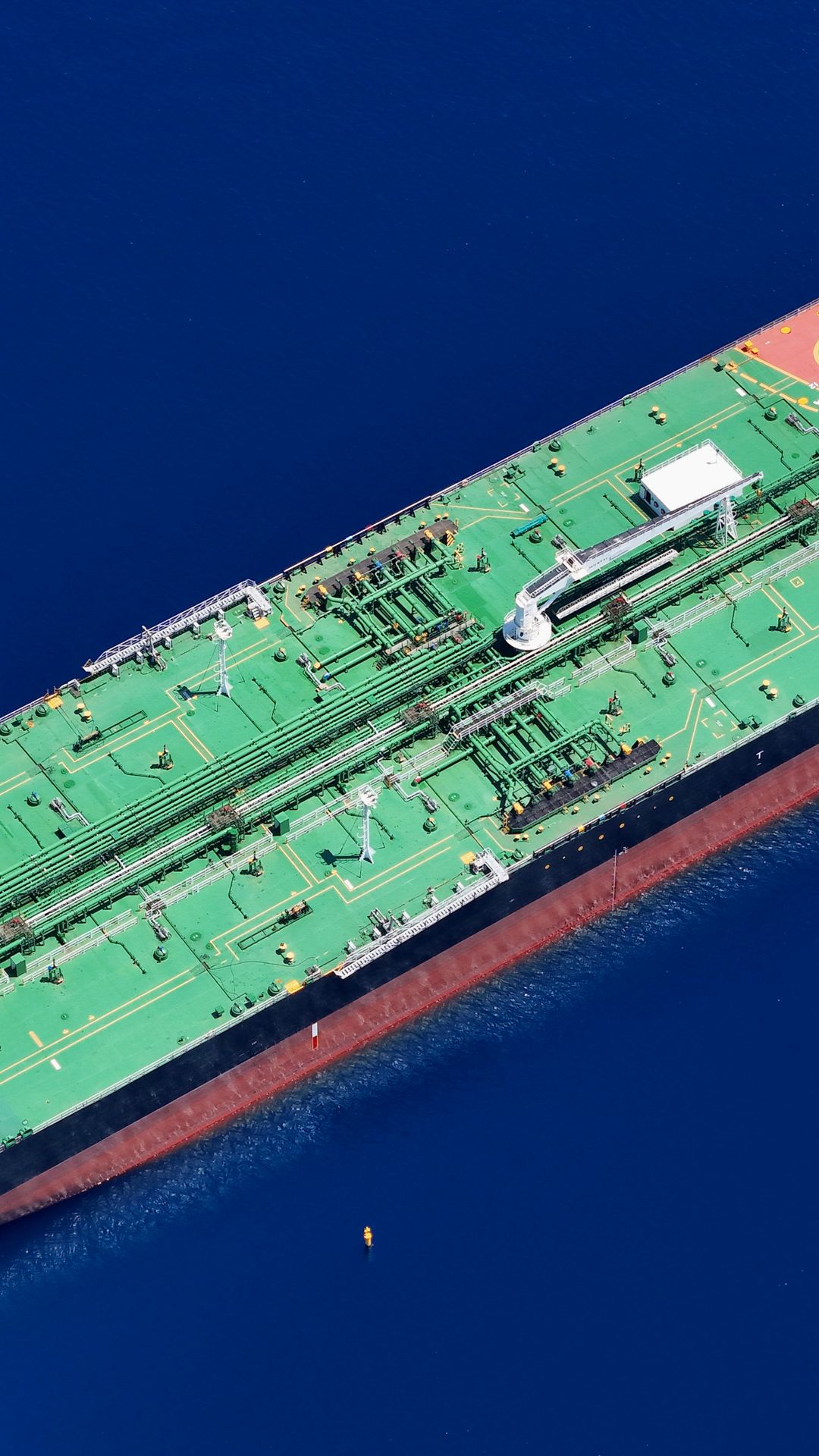
China's imports of Iranian crude oil fell to about 556,000 bpd in July 2026.
Source
Reuters
Related news
US natural gas near a two-month low as the gap with global LNG widens amid the Hormuz crisis
US natural gas (Henry Hub) fell to about $2.85 per million BTU in mid-July, its lowest level in two months. Rising domestic output (around 110 billion cubic feet per day), above-average inventories, and lower LNG exports during maintenance at the Freeport terminal (from July 10 until late August) have kept US domestic supply ample. That decline runs opposite to the trend in global gas prices, where disruption in the Strait of Hormuz and reduced LNG loadings in the Persian Gulf have tightened supply for European and Asian buyers and pushed prices higher. The gap shows how the current energy crisis has split the world gas market in two: the US with a cheap surplus, and Hormuz-dependent markets facing scarcity and higher costs.
Trading Economics · Jul 21, 2026
Russia bans diesel exports through end of July, squeezing the global fuel market
Russia imposed a full ban on diesel exports on July 8 to boost supplies to its domestic market. Deputy Prime Minister Alexander Novak announced the decision at a meeting attended by Vladimir Putin. The move follows large-scale Ukrainian drone attacks on Russian refineries that, according to reporting, have knocked out about 25 percent of the country's oil-refining capacity versus a year earlier, causing fuel shortages and rationing (a cap of 20 liters per vehicle) across more than 20 regions. According to CNN and Intercontinental Exchange (ICE) data, the global benchmark diesel price jumped nearly 13 percent on the day the ban was announced. The Russian government said the ban runs through July 31, with pre-existing committed shipments, including a deal with Mongolia, exempted. The restriction is tightening the fuel market just as global energy traders also brace for deeper disruption in the Strait of Hormuz, two forces that can pressure the prices of oil products relevant to Iran.
CNN · Jul 21, 2026
Tanker and ship traffic through the Strait of Hormuz falls to its lowest in months
Maritime traffic through the Strait of Hormuz has fallen sharply amid the escalating military tensions between Iran and the United States. According to vessel-tracking data cited by CNN on Tuesday, 21 July 2026, only about 9 vessels passed through the waterway in the latest 24-hour window, compared with a pre-conflict daily average of roughly 130. Since the ceasefire collapsed around early July, at least seven commercial ships transiting the strait have been struck. About one fifth of the world's consumed crude oil passes through the strait, and the steep drop in traffic, together with a surge in tanker war-risk insurance premiums and the temporary suspension of major shipping lines, has added pressure to the energy supply chain and global oil prices.
CNN · Jul 21, 2026
Brent slips toward $89 on Tuesday as mediation hopes ease war pressure on oil
Crude oil prices edged lower early on Tuesday, July 21, pulling back from the previous session's highest levels in over a month. Brent crude futures for September delivery fell about 35 cents, or 0.4 percent, to around $88.87 a barrel, while U.S. West Texas Intermediate held near $82.47, little changed. On Monday, July 20, Brent had climbed above $90 as the intensifying U.S. and Iran conflict and disruption to Strait of Hormuz traffic tightened the supply outlook. The pullback was tied to reports that mediators are seeking a ten-day pause in the fighting and to Tehran's confirmation that it had received diplomatic proposals. Even so, reduced tanker traffic through Hormuz and a threatened naval blockade of Saudi Arabia by Yemen's Houthis kept a floor under prices. Swings in oil feed directly into Iran's export revenue, budget and currency expectations.
CNBC · Jul 21, 2026