
Newsroom
Short, verified market news summaries; every item names its source and publication date.
G7 Warns of Quantum Computing Threat to Cryptocurrency Security
The Group of Seven (G7), comprising Canada, France, Germany, Italy, Japan, the United Kingdom and the United States, warned in a new report published Saturday, September 5, 2026 (14 Shahrivar 1405), that advances in quantum computing pose a serious threat to current economic infrastructure and cryptographic systems. According to Arzdigital, the group called on governments and the private sector to begin migrating to quantum resistant systems before quantum technologies can decrypt sensitive data. Per the report, while the G7 statement does not name cryptocurrencies directly, the public key algorithms underpinning blockchain and digital wallet security are vulnerable to the threat. Bitcoin developers are studying proposals such as BIP-360 for quantum resistant signatures, Ethereum researchers are working to replace cryptographic components in staking contracts, and the Solana network, which uses EdDSA signatures, has an easier migration path and has already tested post quantum signatures on its test network.
Arzdigital
US Labor Day Gas Price Hits Record $4.15 a Gallon as Sanders Calls for Immediate End to War With Iran
Senior US Senator Bernie Sanders of Vermont wrote on X on Saturday, September 5, 2026 (14 Shahrivar 1405), that the national average US gasoline price had never before topped $4 a gallon on the Labor Day holiday, but reached $4.15 today. According to Mehr News Agency, he attributed the rise directly to what he called Trump's illegal and disastrous war against Iran, saying the war has not only caused thousands of casualties but is devastating the US economy. Sanders closed his post by saying the United States must end the war right now. The remarks came on the same day CENTCOM said American forces struck three Iranian oil tankers in response to an alleged Iranian missile launch at two US warships.
Mehr News Agency

Iran's Car Market Splits in Two: Domestic Models Correct Lower While Imports Keep Climbing
Iran's auto market showed two different patterns on Saturday, September 5, 2026 (14 Shahrivar 1405): some domestic models entered a price correction while a large share of imported cars kept climbing. According to Ecoiran, the automatic Peugeot 207 Panorama fell from 3 billion tomans to 2.95 billion tomans (down 50 million tomans) and the Dena Plus Turbo fell from 3.18 billion to 3.07 billion tomans (down about 3.5 percent), even as the free market dollar rate stayed in last week's elevated range over the same period. By contrast, among imported models, the Kia K5's price rose from 9.65 billion tomans on 11 Shahrivar to 11.4 billion tomans on 14 Shahrivar, a roughly 18.1 percent jump in just three days. The Audi Q5 Black rose 1 billion tomans to 14.5 billion, and the Toyota Camry Limited rose 200 million tomans to 15 billion. Ecoiran described the divergence as a possible sign that higher priced imported cars are gradually returning to their role as a store of value, even as weak demand weighs on domestic models.
Ecoiran
13th Islamic Treasury Bond Auction Sees Weak Demand; Only One of Four Symbols Sold
According to central bank data, Iran's 13th Islamic treasury bond auction was held on Wednesday, 11 Shahrivar 1405 (September 2, 2026), offering about 48 trillion tomans of bonds across four symbols, Arad296, Arad297, Arad299 and Arad304, but only Arad304 found buyers. According to Ecoiran, the buyers were primary dealers, who placed a combined 20,370 billion tomans in bids for that symbol. Total sales in this auction were lower than the average per-auction sales under the new system (21,800 billion tomans) and lower than the previous three auctions, though still higher than sales levels from before the primary-dealer market was set up, when banks were required to buy the bonds. The yield on these bonds is set under an agreed contract between the government and the primary dealers.
Ecoiran
FAO Global Food Price Index Hits Highest Level Since November 2022 in August
The UN Food and Agriculture Organization's (FAO) Food Price Index rose to 133.3 points in August 2026, its highest level since November 2022. According to Ecoiran, intensifying climate risks and disruptions to global trade routes were cited as the main drivers of the increase. A rise in the global food price index can raise the cost of importing staple goods for countries such as Iran and add to domestic food inflation.
Ecoiran

US Embassy in Bahrain Warns Citizens of Possible Flight Cancellations, Regional Airspace Closures
The US Embassy in Bahrain issued an urgent security alert on Saturday, September 5, 2026 (14 Shahrivar 1405), warning American citizens in the Middle East of possible flight cancellations and regional airspace closures. According to Ecoiran, the warning came as military tensions between Iran and the United States escalated in the waters of the Persian Gulf and the Gulf of Oman. The alert was issued on the same day CENTCOM said American forces struck three Iranian oil tankers in response to what it described as Iranian Revolutionary Guard missile fire at a US aircraft carrier and a guided missile destroyer.
Ecoiran

Fars Petrochemical's Annual Shareholder Meeting Postponed to Second Round for Lack of Quorum
The annual ordinary general meeting of Persian Gulf Petrochemical Industries Company (ticker: Fars), scheduled for Saturday, September 5, 2026 (14 Shahrivar 1405), did not take place because the number of shareholders present fell short of the legal quorum, and has been postponed to a second round. According to Donya-e-Eqtesad, a new date for the second round has not yet been announced. The meeting had been scheduled just days after the Fars holding company reported that its net profit rose 48 percent in the past fiscal year, a year in which the country faced two wars, to more than 187 trillion tomans, according to Boursenews.
Donya-e-Eqtesad
Putin to Meet Witkoff and Kushner in Moscow Today as US Envoys' Trip Continues to Kyiv
Kremlin spokesman Dmitry Peskov told TASS that Russian President Vladimir Putin will meet US envoys Steve Witkoff and Jared Kushner on Saturday, September 5, 2026 (14 Shahrivar 1405), as part of talks to end the war in Ukraine. According to Mehr News Agency, citing TASS, the plane carrying the two American officials landed in Moscow at 12:52pm local time, where Kirill Dmitriev, Putin's special representative for investment and foreign economic cooperation, greeted them at the airport. Per the report, Witkoff and Kushner are due to travel on to Kyiv after their Moscow meeting to continue talks with Ukrainian officials, as part of the Trump administration's push for a deal to end the Russia Ukraine war. Any progress in the talks could affect global market risk appetite and energy prices.
Mehr News Agency, citing TASS

Baltic Dry Index Hits Five-Year High, Up 13.9% on the Week Amid Strong Iron Ore and Coal Demand
The Baltic Dry Index, the global benchmark for dry bulk shipping costs, extended its rally for a third straight session on Friday, September 4, 2026 (13 Shahrivar 1405), rising 4 percent from the previous day to 3,628 points, its highest level since October 2021. Per Trading Economics data, the index has gained 13.9 percent over the past week. Its capesize sub-index, which mainly covers vessels carrying up to 150,000 tonnes of iron ore or coal, jumped 6.4 percent to 6,427 points, its highest since December 2023. The report attributed the surge in shipping rates to strong demand for commodities such as iron ore and coal, combined with tight vessel supply and longer shipping routes caused by geopolitical disruptions. The Baltic Dry Index's all time high remains 11,793 points, set in May 2008. Higher dry bulk shipping costs also affect the cost of exporting metal and mining products, including Iranian steel.
Trading Economics

Araghchi: Ending the War Hinges on US Return to Its Violated Islamabad Memorandum Commitments
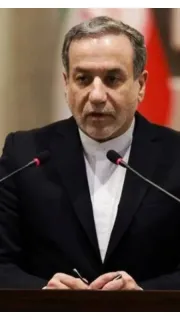
Iranian Foreign Minister Abbas Araghchi said on the sidelines of the Shanghai Cooperation Organisation (SCO) summit in Bishkek, Kazakhstan, on Saturday, September 5, 2026 (14 Shahrivar 1405), that the Islamabad Memorandum has been the central topic of every bilateral meeting held by Iranian President Masoud Pezeshkian with visiting heads of state. He said the memorandum, previously signed by the presidents of Iran and the United States, has been violated by Washington. According to Ecoiran, citing Tasnim News Agency, Araghchi said the main condition for ending the war and normalizing the situation is for the US to return to its commitments and abide by the memorandum's terms. He added that Iran's talks in Bishkek were strictly businesslike, without the usual protocol, and focused mainly on areas of economic cooperation. Araghchi described the solution as completely clear: Washington returning to the same agreement its president signed, after which, he said, everything could get back on the right track. The remarks came on a day when, according to CENTCOM, the United States struck three Iranian oil tankers in response to an alleged Iranian missile launch at two US warships.
Ecoiran, citing Tasnim
CENTCOM Says US Destroyed One Iranian Tanker, Disabled Two Others in Response to Missile Fire at US Warships
US Central Command (CENTCOM) said on Saturday, September 5, 2026 (14 Shahrivar 1405), that American forces struck three Iranian oil tankers in the Gulf of Oman and near Kharg Island, destroying one outright and disabling two others. CENTCOM described the strikes as a response to ballistic missiles it said Iran's Islamic Revolutionary Guard Corps (IRGC) fired at a US aircraft carrier and a guided missile destroyer in regional waters, claiming both American vessels evaded the attack with no casualties. This account comes from CENTCOM alone; Iran's side had not issued an official statement on the alleged missile launch at US warships at the time of writing. CENTCOM commander Admiral Brad Cooper said in a statement: "Let the message to the IRGC be clear: If you shoot at two of our ships, we will impose an even higher economic cost, taking out three of yours." According to Al Jazeera, the US described the tankers as part of a multibillion dollar network financing the IRGC and its regional proxies. Al Jazeera also reported that the six month old conflict has killed 18 US service members so far, and that negotiations to end it have collapsed. Iran's free market dollar rate in Tehran topped 227,000 tomans as the news spread today, while the Tehran Stock Exchange's main index (TEDPIX) rose more than 1.5 percent.
Al Jazeera

September Food Coupon to Charge in Three Rounds, First Round Activates on September 6
According to Khabaronline, the Ministry of Cooperatives, Labor and Social Welfare's latest announcement keeps the September (Shahrivar 1405) food coupon credit at 1 million tomans per person, charged in three rounds based on the last digit of the household head's national ID number: digits 0, 1 and 2 activate on 15 Shahrivar (September 6), digits 3 through 6 on 25 Shahrivar (September 16), and digits 7 through 9 on 5 Mehr (September 27). Ministry officials stressed that a charge made on 5 Shahrivar related to the previous round and should not be confused with the new one, and that no income decile has been removed from the program. Per the report, the coupon credit cannot be withdrawn as cash and can only be used at authorized stores. The head of parliament's social affairs committee has said raising the credit from 1 million to 2 million tomans is under consideration, but until it is formally approved and announced, the September payment remains based on the current 1 million toman per household member amount.
Khabaronline
Licensed Foreign Investment in Semnan Province Tops $628 Million Over the Past Year
According to Khabaronline, citing Khabara Semnan news agency, Mohammad Reza Kazemi, head of the investment services center at Semnan province's economic affairs and finance department, said 21 companies received new investment licenses in the province over the past year and one company raised its capital by 2.2 million dollars, bringing the combined total to more than 628 million dollars. Kazemi said 19 foreign companies attracted 2.55 million dollars in the same period, registered with Iran's Organization for Investment, Economic and Technical Assistance. He said the licensed investor companies come from countries across Asia, Europe and the Americas, calling the diversity a sign of favorable investment conditions in Semnan province.
Khabar Online, citing Khabaronline, via Khabara Semnan
Coinbase Adds Six New Tokenized Stocks, Including Tesla and SpaceX, to Its Base Network
According to Arzdigital, Coinbase added six new tokenized assets to its Base layer two network on Friday, September 4, 2026 (13 Shahrivar 1405), after recording 228 million dollars in trading volume in the first 30 days of its tokenized stock offering. The new list includes shares of Amazon, Microsoft, Tesla, SanDisk, Strategy and SpaceX, now available to eligible investors as onchain tokens; the addition brings the number of tokenized stocks on Base to 10, joining Apple, Google, Meta and Nvidia. Per the report, the assets are issued under the B20 standard by Coinbase Onchain SPV in the Abu Dhabi Global Market free zone, with Alpaca Securities, registered with the US Securities and Exchange Commission, handling brokerage and custody. Under US law, the tokens are not available to US citizens, but other eligible investors can hold them in personal wallets and use them as collateral for lending or borrowing on decentralized finance platforms.
Arzdigital
Zcash Tops $1,000 After First US Spot ETF Approval and SEC Closing Its Investigation
According to Arzdigital, the cryptocurrency Zcash topped 1,000 dollars for the first time on Friday, September 4, 2026 (13 Shahrivar 1405), reaching 1,023 dollars on Coinbase, up from under 50 dollars at the start of 2025. The jump followed the US Securities and Exchange Commission's decision in January 2026 to close a two year investigation into the Zcash Foundation without penalty, clearing the way for Grayscale to convert its fund into the first Zcash spot ETF, trading under the ticker ZCSH on NYSE Arca, which now holds more than 414 million dollars in assets under management. Per the report, the rally came alongside the liquidation of more than 34.5 million dollars in short derivatives positions, which pushed the price up about 20 percent further in a short span. Zcash, long under regulatory pressure over its privacy focused design, has now returned to the top 10 cryptocurrencies by market value; analysts cited by Arzdigital described it as hard money comparable to bitcoin, with a 21 million unit supply cap, that also allows confidential transactions.
Arzdigital
Stronger Than Expected US Jobs Report Pushes Gold and Stocks Lower; Markets Now Watch September 11 Inflation Data
According to Ecoiran, the US Labor Department said on Friday, September 4, 2026 (13 Shahrivar 1405), that US nonfarm payrolls rose by 162,000 in August, far above the 56,000 economists polled by Reuters had expected; the unemployment rate held at 4.1 percent, and June and July payrolls were revised up by a combined 55,000. The labor force participation rate rose to 61.6 percent and annual hourly wage growth was 3.1 percent. The report boosted expectations of a Federal Reserve rate hike at its September 15 to 16 meeting, pushing the two year Treasury yield to 4.37 percent and pulling the S&P 500 down 0.4 percent; spot gold fell more than 1 percent to around 4,427 dollars an ounce and silver fell about 1.1 percent to near 66.1 dollars an ounce. Fed Chair Kevin Warsh had earlier said at Jackson Hole that the US labor market is consistent with full employment and that monetary policy should focus on inflation. Ecoiran wrote that markets are now focused on the September 11 (20 Shahrivar) US consumer price index, which could decide whether a September rate hike becomes the Fed's leading option.
Ecoiran
Gold Bullion Treasury Value on Iran Mercantile Exchange Tops 1,000 Trillion Tomans as Two New Silver Funds Begin Trading
According to Kalakhabar, the Iran Mercantile Exchange's official news outlet, the market value of gold bullion certificates on the exchange (equal to the gold bullion treasury's value) topped 1,000 trillion tomans for the first time as certificate trading opened on the first day of the week, Saturday, 14 Shahrivar 1405; the exchange's total commodity certificate market value also passed 1,200 trillion tomans the same day. A separate Kalakhabar report said gold funds traded more than 10 billion units worth 93.1 trillion tomans, and silver funds traded 5 billion units worth 6.1 trillion tomans, in the week ending 13 Shahrivar. The exchange's derivatives and new financial instruments management also announced that secondary trading began for two new silver investment funds, "Toranj 1" under the ticker Yas and "Padash 1" under the ticker Silva, starting Monday, 16 Shahrivar, from 11:45am to 6pm. Per the notice, trading in both funds is available online through licensed brokers, with a daily price band of 10 percent from the prior day's closing price.
Kalakhabar, IME's official news outlet
Central Bank to Issue First Ever Standard Parallel Forward Coin Notes With a Guaranteed 7 Percent Return
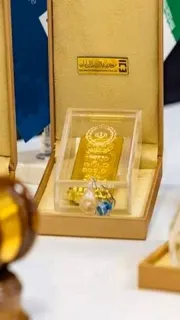
According to ISNA, carried by Donya-e-Eqtesad on Saturday, September 5, 2026 (14 Shahrivar 1405), the Central Bank of Iran said it will issue the country's first ever Standard Parallel Forward Coin Notes on 18 Shahrivar 1405 (September 9, 2026). The new financial instrument is intended to widen investment access to the gold coin market and help contain the inflationary effects of liquidity growth. Per the report, the notes carry a three month maturity: buyers purchase a coin at its market discovered price at issuance and can claim the coin's value three months later under the announced terms. The notes also carry a guaranteed minimum return, letting holders exercise a put option to sell at maturity for a price equal to 7 percent above the price discovered on the issuance day. Details on the offering method, pricing and trading terms are to be announced through the Central Bank's own information portal and the Iran Mercantile Exchange.
ISNA, citing ISNA, via Donya-e-Eqtesad
Free Market Dollar Accelerates After News of Kharg Tanker Attack, Reaches 227,000 Tomans
According to Donya-e-Eqtesad, citing EqtesadNews, the US dollar on Iran's free market kept climbing on Saturday, September 5, 2026 (14 Shahrivar 1405), reaching 227,130 tomans at 3:53pm Tehran time. Per the outlet's successive reports, the dollar stood at 223,240 tomans at 11:29am, rose to 224,490 tomans by 12:37pm, and reached 226,110 tomans by 2:14pm, meaning it added nearly 4,000 tomans, about 1.7 percent, in under five hours. The acceleration came almost simultaneously with news, published around 12:29pm, that an Iranian tanker had been struck by the US military near Kharg Island. Sahmino's own live price data showed the dollar at 225,770 tomans at 4:04pm, up 2.13 percent from the prior day, consistent with the reported upward trend. The dollar has now risen more than 6,000 tomans, about 2.8 percent, from Thursday's last recorded rate of 221,000 tomans.
Donya-e-Eqtesad, citing EqtesadNews
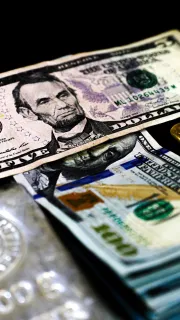
Witkoff and Kushner Head to Moscow and Kyiv With a Plan to End the Ukraine War
According to Al Jazeera, US President Donald Trump said at the White House on Friday, September 4, 2026 (13 Shahrivar 1405), that his special envoys Steve Witkoff and Jared Kushner, his son in law, would travel to Kyiv and Moscow this weekend to try to revive peace negotiations between Russia and Ukraine. Trump said the two are bringing an idea for peace but did not disclose details, adding there may be a good chance of reaching a deal. Citing Russia's TASS news agency, Al Jazeera reported Witkoff and Kushner would be in Moscow on Saturday and Sunday, their first visit since January. Ukrainian President Volodymyr Zelenskyy said the pair would be in Kyiv on Sunday. Russian President Vladimir Putin had earlier described the talks as frozen, and both sides have continued to escalate air attacks, with Russia striking Ukraine's SBU security service headquarters on Friday, wounding at least 12 people according to Kyiv's mayor. Khabaronline also confirmed on Saturday, September 5, with published footage, that the two envoys had arrived in Moscow.
Al Jazeera
Iranian Tanker Near Kharg Island Struck by 4 US Projectiles
According to Tasnim, carried by Donya-e-Eqtesad, a small Iranian tanker was struck by a US military missile attack near Kharg Island's anchorage, about six miles from the island, on the morning of Saturday, September 5, 2026 (14 Shahrivar 1405). Per the report, the vessel was hit by 4 projectiles fired by US forces, and several explosions were heard from the direction of the Persian Gulf and Kharg Island shortly before the report was published. Local sources said the incident caused no casualties and that the tanker's crew were evacuating the vessel. Daneshjoo News Agency, carried by Khabaronline, confirmed the incident by publishing images of the struck tanker and of Kharg Island's condition afterward. Kharg Island is Iran's main crude oil export terminal, and prior reports estimate roughly 90 percent of the country's crude exports are loaded there, so any incident in the area can affect oil and currency markets. Further details on the extent of damage have not yet been released by responsible authorities.
Tasnim, citing Tasnim, via Donya-e-Eqtesad
Turkey Announces Restart of a Nuclear Research Reactor in Istanbul
According to Khabaronline, citing ISNA and Russia's RIA Novosti, Turkish Energy and Natural Resources Minister Alparslan Bayraktar said authorities expect to soon restart the TR-2 research reactor in Istanbul. He said nuclear research and material testing would resume there shortly, and that results of theoretical studies would become observable in laboratories and research centers. The TR-2 research reactor, located at Turkey's Energy, Nuclear and Mineral Research Institute in western Istanbul, has received a new operating license after a long pause. Another research reactor is located at Istanbul Technical University. The news comes amid Turkey's plans to expand civilian nuclear infrastructure, as countries in the region seek to diversify their energy sources.
Khabaronline, citing ISNA and RIA Novosti

Divergence on the Iran Mercantile Exchange: Hot Rolled Coil Holds Steady as Long Steel Products Swing More Than 20 Percent
According to Boursenews, a review of Iran Mercantile Exchange industrial floor data from Khordad to mid Shahrivar 1405 (roughly June to early September 2026) shows long steel products swung sharply while hot rolled coil stayed relatively stable over the same period. Per the report, rebar (18mm, A3 ribbed) started at 728,436 rials, fell to 611,982 rials, and then rose to 742,994 rials, a swing of more than 21 percent. Beams (14 and 16) ranged from 632,139 rials up to a peak of 783,499 rials, down to a low of 650,023 rials, and finally settled at 761,828 rials, a swing of about 24 percent. Bloom billet (5SP) ranged between 546,444 and 657,152 rials, a swing of about 20 percent. By contrast, per the same report, hot rolled coil (HR) held within a narrow 850,000 to 870,000 rial channel throughout the period. Iron ore pellet supplied by Foolad Sangan rose more linearly, from 101,509 to 136,631 rials. Boursenews attributed hot rolled coil's relative stability to Foolad Mobarakeh's supply management of the product, an assessment made by the outlet itself rather than an independent company claim.
Boursenews

Central Bank Governor Reports Over 4,000 Trillion Tomans in Facilities Paid to the Economy
According to Ecoiran, Central Bank of Iran Governor Abdolnasser Hemmati told the 36th Islamic Banking Conference, held on 10 Shahrivar 1405 (September 1, 2026), that more than 4,000 trillion tomans in facilities have been disbursed to various parts of the economy since the start of the Iranian year, of which 2,650 trillion tomans went to productive sectors. The conference emphasized financing through GAM notes and factoring as ways to contain the inflationary effects of liquidity growth. In a separate analysis citing Mordad month inflation data, Ecoiran wrote that annual inflation could stand above 80 percent by the end of 1405 (March 2027), with point to point inflation around 64 percent, and that if average monthly inflation approaches 6 percent, overall goods and services inflation could reach triple digits by year end. This projection is Ecoiran's own estimate and analysis, not an official Central Bank figure.
Ecoiran

Poultry Union Head Announces What He Calls a Reasonable Egg Carton Price
According to Donya-e-Eqtesad, citing Khabaronline, Hamidreza Kashani, chairman of Iran's Mihan Poultry Farmers Union, said on Friday, September 4, 2026 (13 Shahrivar 1405), that egg production costs currently exceed the sale price, and that a reasonable retail price would be 250,000 to 260,000 tomans per kilogram, equal to 500,000 to 520,000 tomans per 30 egg carton and 19,000 to 20,000 tomans per egg. Kashani said the farm gate price is currently about 200,000 tomans per kilogram, which is 70,000 tomans below the production cost and 30,000 tomans below the Agriculture Ministry's guidance price. He said egg production is expected to reach 115,000 tonnes in Shahrivar (roughly late August to late September), about 15,000 tonnes more than domestic demand, while egg exports have fallen 30,000 to 40,000 tonnes from a year earlier.
Donya-e-Eqtesad, citing Khabaronline

Edalat (Justice) Shares Dividend Will Not Be Paid in Shahrivar
According to Donya-e-Eqtesad, citing Fararu, despite recent rumors, a new payment of Edalat (Justice) Shares dividends will not be made in Shahrivar 1405 (roughly late August to mid September 2026). Per informed sources, the process of collecting profits from investee companies is not yet complete, and the next payment stage requires pooling about 25 trillion tomans in funds that these companies have so far been unable to set aside. Per the report, the dividend due to be paid to more than 40 million Edalat Shares holders in the next stage relates to the final portion of the 1403 fiscal year (ending March 2025) and is estimated at 500,000 to 600,000 tomans per shareholder. Trading of Edalat Shares remains unavailable. The current market value of a 490,000 toman nominal portfolio has reached 43,990,000 tomans, and a 1,000,000 toman portfolio has reached 90,514,000 tomans.
Donya-e-Eqtesad, citing Fararu
Dutch Central Bank Moves $10 Billion of Its Gold Reserves From the US and Canada to the UK
According to Al Jazeera, the Dutch central bank (DNB) said on Wednesday, September 2, 2026 (11 Shahrivar 1405), that it had moved part of its gold reserves from the United States and Canada to the United Kingdom to be, in the bank's words, "better prepared for severe crises." The relocated gold was valued at about 10.11 billion euros (about 11.73 billion dollars) at the end of 2025. The Netherlands holds a total of 612.4 tonnes of gold, worth about 72.2 billion euros (about 83.8 billion dollars), across four locations. Before the move, New York held 31.3 percent of the reserves, now reduced to 18.5 percent, while London's share rose from 18.1 to 32.1 percent. Al Jazeera reported the relocation came as tensions have risen between Europe and the US since the start of the US war in Iran in February this year, with President Donald Trump voicing displeasure at European allies' reluctance to join the war.
Al Jazeera
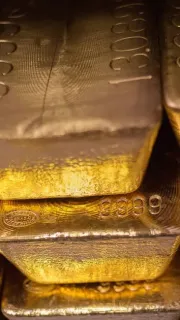
Philippine Peso Hits Record Low Amid Fallout From the Iran War
According to Al Jazeera, the Philippine peso hit an all time low of 62.71 to the US dollar on Friday, September 4, 2026 (13 Shahrivar 1405). Per the report, the currency has lost about 6 percent of its value against the dollar since the start of the calendar year, after earlier hitting a record low of 61.847 on July 24. Al Jazeera attributed the peso's decline to a mix of domestic and international factors: before the war, the Philippines imported nearly all its oil from the Persian Gulf, and in March, Manila declared a state of national emergency after Iran's closure of the Strait of Hormuz disrupted its oil supply. Rising global oil prices have forced Philippine importers to convert more pesos into dollars to buy dollar priced crude. Philip McNicholas, Asia sovereign strategist at Robeco Singapore, said the country's twin fiscal and trade deficits, combined with elevated inflation, have left the currency vulnerable to swings in global risk sentiment.
Al Jazeera

Peugeot 207 Panorama Price Rises 190 Million Tomans Since Start of Shahrivar
According to Khabaronline, Iran's vehicle market kept climbing on Saturday, September 5, 2026 (14 Shahrivar 1405). Per the report, the automatic Peugeot 207 Panorama has risen 190 million tomans since the start of Shahrivar, reaching 2.95 billion tomans. The automatic Dena Plus has gained 70 million tomans over the past three days to reach 3.22 billion tomans, and the Quick S has risen 90 million tomans over the past two weeks to reach 1.3 billion tomans. Khabaronline, citing Tejaratnews, reported that automakers Iran Khodro and Saipa have said consumer prices for their products will rise because of higher costs tied to end of life vehicle scrappage certificates, a factor that could add fresh momentum to the market's upward trend in coming days. Per the report, the simultaneous jump in gold and currency prices, including the free market dollar's move above 221,000 tomans, has been a main driver of the price increases.
Khabaronline

Tehran's Main Index Wavers at the Edge of the 6.6 Million Channel
According to Donya-e-Eqtesad, Tehran's stock exchange showed volatile behavior in mid session trading on Saturday, September 5, 2026 (14 Shahrivar 1405). The main index (TEDPIX) lost the 6.6 million point channel after trying to enter it, then returned to that level minutes later. Retail trading value topped 27 trillion tomans, and advancing symbols (600) outnumbered decliners (223), though the inflow of real money had slowed compared with the session's open. Sahmino's own live data showed TEDPIX up 1.48 percent at 6,599,975 points as of 11:29am Tehran time, consistent with the report of the index nearing the 6.6 million channel. The equal weighted index was also up 1.28 percent.
Donya-e-Eqtesad
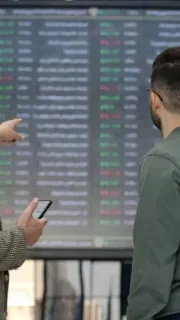
Free Market Dollar Crosses 223,000 Tomans
According to Donya-e-Eqtesad, citing EqtesadNews, the US dollar on Iran's free market rose on Saturday, September 5, 2026 (14 Shahrivar 1405), reaching 223,240 tomans, a notable increase from Thursday's last recorded rate of 221,000 tomans. Sahmino's own live price data showed the dollar at 223,820 tomans as of 11:29am Tehran time, consistent with the reported figure and up about 1.25 percent from the prior day. Market analysts have linked the dollar's latest jump mainly to escalating Iran-US military tension and a fresh New York Times assessment that Iran is unlikely to accept Washington's terms before US midterm elections.
Donya-e-Eqtesad, citing EqtesadNews

Average US Diesel Price Hits Record High Amid Escalating Tension in West Asia
According to Ecoiran, citing ISNA, amid intensifying disruption to global energy supply following renewed fighting in West Asia and the ongoing war in Ukraine, the average US diesel price hit a record high of 5.85 dollars a gallon on Friday, September 4, 2026 (13 Shahrivar 1405), based on data from the American Automobile Association (AAA). Per the report, given a sharp decline in diesel inventories, prices could rise further in the coming days, particularly as US farm states enter their harvest and planting season and demand for diesel increases.
Ecoiran, citing ISNA
Agriculture Ministry Exempts 24 Products Including Shrimp and Cucumber From Export Ban
According to Boursenews, the Agriculture Ministry's Trade Development Deputy sent the 17th list of tariff codes exempted from Iran's agricultural export ban to the Trade Development Organization, based on a letter dated 9 Shahrivar 1405 (August 31, 2026). Under the letter, 24 tariff codes covering chapters one through 24 of the export and import regulations book, including various fish and fish fillets, tilapia, shrimp, chicory, cucumber, asparagus, eggplant, various melons, palm fruit pits, rock candy, yufka bread, pizza and cold sauces, were removed from the export ban list. Following the letter, the Trade Development Organization's export and import regulations office notified Iran's Customs Administration of the list so that exports of these items would be permitted until further notice. This is the 17th such list issued as part of ongoing correspondence on exceptions to the agricultural export ban.
Boursenews
Farabourse Iran Reports 16 Companies Improved Their Audit Opinion Within a Year
According to Boursenews, Jalal Baharestan, Farabourse Iran's deputy for issuer oversight, said that of 83 Farabourse listed companies identified in Shahrivar 1404 (August/September 2025) as having qualified audit opinions, 16 companies, or 20 percent, managed to have their auditor's opinion upgraded to "unqualified" by Shahrivar 1405 (August/September 2026) after a year of follow up. He said the total number of audit qualification clauses across these companies fell 30 percent over the same year. Baharestan said that after identifying the 83 companies, Farabourse engaged with issuers on the issues raised in their audit reports and asked their boards to submit corrective plans and clear timelines to resolve the ambiguities. He said the improvement was not limited to companies exiting qualified status, as other issuers have also improved reporting quality by clarifying their accounts and resolving financial disputes.
Boursenews
Auto Parts Maker's Shares Trade for the First Time on Farabourse's Growth Market
According to Boursenews, the growth board of Farabourse's Noafarin market hosted the year's 11th IPO on the last trading day of last week, Wednesday, 11 Shahrivar 1405 (September 2, 2026), as Zar Golpayegan Spring Manufacturing, an auto parts maker, listed under the ticker "Khgolpa" through a combined offering method. The company offered 12 percent of its shares, or 216 million shares; in the first stage, 72 million shares (4 percent) were sold by auction among qualified investment funds, and after competition among 88 funds, the price was discovered at 3,715 rials, a figure also recorded in Sahmino's own price data. In the second stage, 144 million shares (8 percent) were offered to other investors at the same discovered price. In total, more than 1,332,700 individual and institutional trading codes took part in the IPO. The offering's advisor was Bank of Industry and Mine Brokerage, with Lotus Parsian Capital acting as underwriter.
Boursenews
48 Companies Raised 18.65 Trillion Tomans in IPOs on Tehran's Bourse and Farabourse Over Two Years
According to Boursenews, official capital market data shows that since the 14th government took office (a period of nearly two years), a total of 48 companies have held initial public offerings on Tehran's stock exchange and Iran's Farabourse, 14 on the main bourse and 34 on Farabourse. The combined value of these IPOs was reported at 186,460 billion rials, equal to about 18.65 trillion tomans. Per the report, the largest IPO of the period by value was Arvand Petrochemical at 22,500 billion rials, followed by Sirjan Iranians Steel at about 19,600 billion rials and Ghadir Financial Group at about 10,500 billion rials. By number of listings, the investment and food and beverage industries (excluding sugar) each accounted for five companies, the largest share of the period's IPOs.
Boursenews
Persian Gulf Petrochemical's Net Profit Rose 48 Percent in a Year Iran Faced Two Wars
According to Boursenews, the audited consolidated financial statements of Persian Gulf Petrochemical Holding (ticker "Fars") for the fiscal year ending 31 Khordad 1405 (June 21, 2026) show net profit reached more than 187 trillion tomans, up 48 percent from the same period a year earlier, while operating revenue was reported at more than 112.2 trillion tomans. Sahmino's own fundamentals data, drawn from the same audited filing, puts Fars's trailing twelve month net profit at 187,291 billion tomans with 48.05 percent annual profit growth, consistent with the Boursenews figure. Boursenews wrote that earnings per share under managing director Shariatmadari rose from 1,020 rials in the prior year to 1,510 rials, driven mainly by an 18 percent rise in dividend income from subsidiaries, to 75,400 billion tomans, in a year during which several Persian Gulf Holding subsidiaries came under military attack.
Boursenews
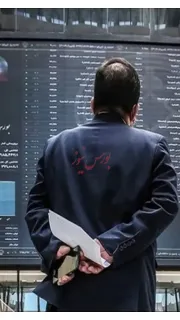
18 Karat Gold in Tehran Reaches 235,188,000 Rials Today, Saturday
According to Ecoiran, gold and coin prices in Tehran's market were announced today, Saturday, 14 Shahrivar 1405 (September 5, 2026). Per the report, 18 karat (750) gold reached 235,188,000 rials a gram and 24 karat gold reached 313,582,000 rials, while one mesghal of gold was priced at 1,018,820,000 rials. Global spot gold was quoted in the same report at 4,477.38 dollars an ounce. In the coin market, the single Emami coin traded at 2,349,900,000 rials and the Bahar Azadi coin at 2,313,400,000 rials. Sahmino's own price data shows 18 karat gold at the exact same figure, 235,188,000 rials, at the same hours. Iran's official currency and gold market is closed on Thursdays and Fridays, so today's rates are the first official rates since the weekend.
Ecoiran

New York Times: Iran Unlikely to Accept US Terms Before American Midterm Elections
According to ISNA, carried by Donya-e-Eqtesad early on Saturday, September 5, 2026 (14 Shahrivar 1405), the New York Times reported, based on a new US intelligence assessment, that there is no evidence Iran is willing to accept US terms before America's congressional midterm elections. The assessment, citing US officials, said Iran has grown more confident in its ability to target US bases in West Asia and has strengthened its resolve to counter US military action. Ecoiran separately reported the same New York Times assessment the same day, writing that Iran appears "prepared for a long war." The reports followed recent remarks by US President Donald Trump, who has also said he does not know when the conflict between the United States and Iran will end.
ISNA, citing The New York Times
Amid Reports of Possible Intervention, Senior Iranian Official Warns South Korea Over Strait of Hormuz
According to Mehr News Agency, carried by Donya-e-Eqtesad on Saturday, September 5, 2026 (14 Shahrivar 1405), a senior Iranian security and political official told the Al-Mayadeen network that Iran warns South Korea not to give in to US pressure to take part in what he called "illegal US military operations." He said Tehran would treat any South Korean participation against Iran in the Strait of Hormuz as direct military involvement in aggression against Iran. The warning came a day after South Korea's presidential office denied media reports that it had decided to send troops or take part in securing the Strait of Hormuz, saying no such decision had been made. Ecoiran also carried a similar report the same Friday, citing the same Iranian official's remarks to Al-Mayadeen.
Donya-e-Eqtesad, citing Mehr News Agency and Al Mayadeen
Nearly $6 Billion in US Arms Sales to Saudi Arabia, Oman and Iraq Approved
The US State Department confirmed on Friday, September 4, 2026 (13 Shahrivar 1405), according to Khabaronline citing Reuters and IRNA, a possible sale of extended range offensive munitions worth about 5 billion dollars to Saudi Arabia, with Boeing as the prime contractor. The department also confirmed a possible sale of AGT-1500 engines used in Abrams tanks to Saudi Arabia worth about 750 million dollars, with Honeywell as the prime contractor. Per the same report, a sustainment and support contract for Oman's F-16 fleet worth 188 million dollars and a sale of Bell 412 helicopters to Iraq worth 150 million dollars were also approved. The State Department said the sales support US foreign policy and national security objectives and would not alter the region's military balance. Ecoiran separately confirmed the 5 billion dollar Saudi package the same Friday.
Khabaronline, citing Reuters and IRNA
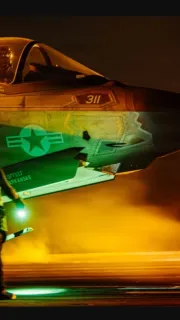
Trump: We May Soon Target Iran's Kolang Gazaleh Mountain Facility
US President Donald Trump told reporters at the White House on Friday, September 4, 2026 (13 Shahrivar 1405), according to Khabaronline citing IRNA, that the United States may soon target a nuclear facility in Iran he called the "Kolang Gazaleh" mountain, adding that US forces had disabled radar in the area for a second time. He described the roughly six month old conflict with Iran, which he had earlier said would end within four to seven weeks, as a "military engagement" rather than a war. Trump also claimed the United States controls the Strait of Hormuz, that many ships have passed through it and that no naval mines remain there, even though Iran has held control of the strait since the war began. He said pipelines and alternative routes, including through Syria, are being built to reduce reliance on the strait, and said he had earlier told China's president not to get involved in the conflict with Iran.
Khabaronline, citing IRNA

US August Jobs Growth Beats Forecasts; Gold and Bitcoin Fall as Fed Rate Hike Odds Rise
According to Ecoiran and ArzDigital, both citing the US Bureau of Labor Statistics, on Friday, 13 Shahrivar 1405 (September 4, 2026), the US economy added 162,000 jobs in August, beating every estimate in a Bloomberg survey; the unemployment rate held at 4.1 percent, the labor force participation rate rose to 61.6 percent from 61.4 percent, and June and July payrolls were revised up by a combined 55,000. Average hourly wages rose 0.3 percent from the prior month and 3.1 percent from a year earlier, the lowest annual wage growth since 2021. Per ArzDigital, citing the Financial Times, immediately after the data's release the odds of a Federal Reserve interest rate hike at its September 15 to 16 meeting rose from about 50 percent to nearly 60 percent, and the two year US Treasury yield climbed to about 4.41 percent. Global spot gold, which had been trading above 4,472 dollars an ounce before the report, fell more than 100 dollars, while bitcoin dropped more than 2 percent within an hour to below 80,000 dollars; more than 200 million dollars in long crypto positions were liquidated within 15 minutes of the data's release.
Ecoiran
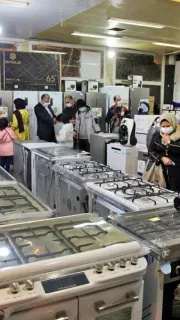
Household Appliance Inflation Hits 117.8 Percent Year on Year in Mordad, Far Outpacing the National Average
According to Khabaronline, citing Mehr News Agency, on Friday, 13 Shahrivar 1405 (September 4, 2026), a review of the latest inflation data for the month of Mordad 1405 (roughly late July to late August 2026) shows that while the national monthly inflation rate stood at 3.4 percent, the year on year (point to point) rate at 89 percent, and the annual rate at 69.9 percent, the household appliances category clearly outpaced the national average on all three measures, with monthly inflation of 4.7 percent, year on year inflation of 117.8 percent, and annual inflation of 79.3 percent. Per the report, the 117.8 percent year on year figure means the cost of buying a comparable basket of appliances such as refrigerators, washing machines, stoves and televisions has, on average, more than doubled in Mordad 1405 compared with Mordad 1404, a rate 28.8 percentage points above the national year on year figure. The continued monthly increase of nearly 5 percent also shows price pressure in this market persists and is not solely the result of past spikes.
Khabaronline, citing Mehr News Agency
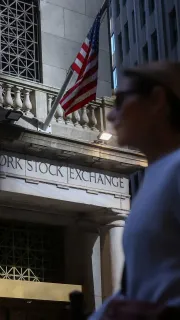
US and European Troika Push New IAEA Board Resolution to Refer Iran's Nuclear File Back to UN Security Council
According to Khabaronline, citing Reuters and Fars, on Friday, 13 Shahrivar 1405 (September 4, 2026), diplomats said the United States, together with the European troika of Britain, France and Germany, is seeking to have the International Atomic Energy Agency's Board of Governors adopt a resolution at next week's meeting reporting what it calls Iran's "noncompliance with nonproliferation obligations" to the UN Security Council. Per the report, the move would follow a resolution adopted by the board on 12 June 2025 (22 Khordad 1404), one day before Israel began bombing Iran's nuclear facilities, an operation the United States later joined; that earlier resolution also cited claims of insufficient Iranian cooperation with the agency. Adoption of the new resolution could pave the way for further sanctions and diplomatic pressure on Iran.
Khabaronline, citing Reuters and Fars
US Sanctions Turkey's Golden Global Bank Over Alleged Transfer of Iranian Oil Revenue to Quds Force
The US Treasury sanctioned Istanbul based Golden Global Bank on Friday, 13 Shahrivar 1405 (September 4, 2026), according to Khabaronline and Donya e Eqtesad, both citing the New York Post. The Treasury alleged the bank and its subsidiaries moved tens of millions of dollars tied to Iranian oil sales to China, funneling the proceeds to the Islamic Revolutionary Guard Corps Quds Force through an exchange network known as Rahbar. Per the report, Golden Global Bank, founded in 2019 and describing itself as Turkey's first interest free investment bank, is the country's 35th largest bank with about 517 million dollars in assets. John Hurley, the Treasury's acting under secretary for terrorism and financial intelligence, said the institution had received repeated prior warnings. Treasury Secretary Scott Bessent said the effort will continue until the international community stops supporting Iran. The Treasury said this marks its first direct sanction of a Turkish bank and has cut the bank's access to the international financial system.
Khabaronline, citing New York Post
Illegal Crypto Mining in Iran Consumes 3,750 Megawatts; More Than 13,000 Unlicensed Farms Identified
According to Boursenews, published Friday, 13 Shahrivar 1405 (September 4, 2026), more than 13,000 unlicensed cryptocurrency mining farms have been identified in Iran, with power consumption reaching about 3,750 megawatts, equal to the electricity use of four Iranian provinces and about 8 percent of residential power consumption. Per the report, illegal crypto mining costs the country close to 2.5 billion dollars a year, and authorities have so far identified and seized more than 300,000 unlicensed mining rigs or units operating during restricted hours, with estimated consumption of about 1,300 megawatts. Boursenews writes that more than 70 percent of the discovered farms were located in residential areas, and state utility company Tavanir said identified violators, including illegal miners, will be barred from energy subsidies for one year and billed for their electricity use at the unsubsidized free market rate. According to the report, citizen reports of abnormal power use, equipment noise and voltage drops have played an effective role in identifying these facilities.
Boursenews
Retail Money Inflows Into Iran's Capital Market Reach 325 Trillion Tomans Over Two Years
According to Boursenews, published Friday, 13 Shahrivar 1405 (September 4, 2026), net retail money flowing into Iran's capital market has totaled 325 trillion tomans since the start of the 14th government's term through 18 Mordad 1405 (August 9, 2026). Of that total, 135 trillion tomans went into gold funds, 154 trillion tomans into fixed income investment funds, and 58 trillion tomans into other investment funds. Boursenews added that over the past year alone, since Seyyed Ali Madanizadeh took office as minister of economic affairs and finance through August 9, net retail inflows reached 228 trillion tomans, of which 99 trillion went to gold funds, 90 trillion to fixed income funds, and 44 trillion to other funds, figures showing gold and fixed income funds have been the primary destination for retail investors' cash.
Boursenews
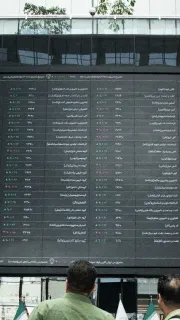
Oil Climbs in Global Markets, on Track for Biggest Weekly Gain Since Mid July
According to Boursenews, citing Reuters, oil prices rose in global trading on Friday, 13 Shahrivar 1405 (September 4, 2026); Brent crude futures gained 0.2 percent to 95.67 dollars a barrel and US West Texas Intermediate gained 0.3 percent to 91.56 dollars a barrel. Since the start of this week, Brent has risen 7.1 percent and WTI 9.8 percent, putting both on track for their biggest weekly gain since the week ending July 20, a rise linked to intensifying military tension between the United States and Iran and concern over supply risk in West Asia. Per the Reuters report, two Iraqi energy officials said Wednesday that Iraq's oil exports rose from about 1.35 million barrels a day in July to about 2.34 million barrels a day in August. Shipping trackers Kepler, Vortexa and TankerTrackers estimate that oil flows through the Strait of Hormuz remain about 6 to 8 million barrels a day below pre war levels, a figure that contradicts a claim by US President Donald Trump that traffic has returned close to normal, near 18 million barrels a day; traders have dismissed that claim.
Boursenews, citing Reuters
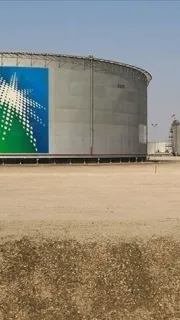
Global Gold Steady Ahead of US Jobs Report, on Track for a Weekly Gain
According to Boursenews, global gold prices held steady on Friday, 13 Shahrivar 1405 (September 4, 2026), ahead of the release of the US nonfarm payrolls report, with spot gold at 4,468.27 dollars an ounce; US gold futures fell 0.6 percent to 4,514.60 dollars. Gold had risen about 2 percent on Thursday after Federal Reserve board member Christopher Waller said he would support holding interest rates steady if the recent slowdown in inflationary pressure continues, remarks that led traders to scale back expectations for a September rate increase. According to Reuters, the CME FedWatch tool put the odds of a Federal Reserve rate hike this month at 50 percent. In other precious metals, silver fell 0.5 percent to 66.59 dollars an ounce, palladium fell about 1 percent to 1,408.75 dollars, and platinum fell 1.5 percent to 1,799.44 dollars an ounce.
Boursenews, citing Reuters

Prices of Some Common Medicines Rise Two to Four Times in a Year; Amoxicillin Up From 320,000 to 1,230,000 Tomans
According to Mehr News Agency, carried by Donya-e-Eqtesad on Friday, 13 Shahrivar 1405 (September 4, 2026), a review of drug prices between Shahrivar 1404 and Shahrivar 1405 (roughly September 2025 to September 2026) shows some widely used medicines have risen at least two to four times over, including amoxicillin, up from 320,000 to 1,230,000 tomans, gabapentin 300, up from 300,000 to 960,000 tomans, clarithromycin, up from 450,000 to 1,580,000 tomans, and acetaminophen codeine, up from 137,000 to 650,000 tomans. Hosseinali Haji Deligani, deputy chair of parliament's Article 90 Commission, pointed to a critical situation in supplying some medicines, saying insurers have failed to close the resulting price gap for patients, pushing patients' out of pocket share of drug costs to nearly 80 percent. He said delays in updating Food and Drug Administration approved prices within insurers' systems force patients to pay additional costs in the meantime.
Mehr News Agency, citing Mehr News Agency, via Donya-e-Eqtesad
How Global Oil Markets Absorbed the Shock of the Strait of Hormuz Disruption
According to an Ecoiran analysis published Friday, 13 Shahrivar 1405 (September 4, 2026), disruption to shipping through the Strait of Hormuz, which before the war carried about 20 million barrels of oil a day, or 20 to 25 percent of the world's seaborne oil and gas trade, was initially seen as one of the biggest energy crises in a generation, with some forecasts warning oil prices could reach 150 to 200 dollars a barrel. Per the report, prices did cross 126 dollars a barrel but did not rise as much as those forecasts suggested. Ecoiran writes that strategic and commercial reserves covered about 9 million barrels a day of the shortfall, the International Energy Agency coordinated the release of about 400 million barrels from global stockpiles, the United States raised its own exports to a new record, and alternative Saudi and Emirati pipelines to Red Sea ports and Fujairah covered about 6 million barrels a day of the disrupted flow. China's crude oil imports also fell by about 4 to 5 million barrels a day, reaching their lowest level in roughly eight years, easing significant pressure on the global market.
Ecoiran
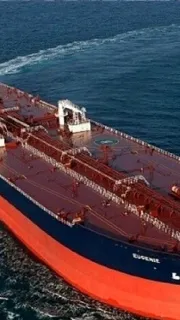
Gold and Coin Prices Rise Friday, September 4; Emami Coin at 233.5 Million Tomans
According to Donya-e-Eqtesad, Iran's gold and coin market rose on Friday, 13 Shahrivar 1405 (September 4, 2026). Global gold prices were quoted up 17 dollars on the day. In the domestic market, the Emami gold coin traded higher, at 233,500,000 tomans. According to Sahmino's own price data, global gold (XAUUSD) was priced at about 4,470 dollars an ounce the same day, and the Emami coin at about 234,000,000 tomans, broadly in line with the cash market figure reported above. Iran's official currency and gold market is closed on Thursdays and Fridays, so rates on these two days are set based on informal trading and the global market.
Donya-e-Eqtesad
Binance Places Four Cryptocurrencies on Monitoring Tag List, Removes 14 Tokens From Binance Alpha
Cryptocurrency exchange Binance, according to Arzdigital, published Friday, 13 Shahrivar 1405 (September 4, 2026), added four tokens, AVA (Ava), GNS (Gains Network), SCR (Scroll) and TOWNS (Towns Protocol), to its "monitoring tag" list in its latest review, a label indicating these assets carry higher risk and volatility relative to other tokens listed on the exchange. At the same time, 14 tokens, including MTP, BDXN, TALE, BOS and SAROS, were removed from the curated "Binance Alpha" section. Binance said it will review monitoring tagged projects more frequently and may remove them from spot trading if they fail to maintain the exchange's standards, with review criteria including trading volume, liquidity, developer activity and smart contract stability. Users trading these assets on spot or margin markets must complete a risk awareness quiz every 90 days.
Arzdigital
South Korea's Presidential Office Denies Reports of Troop Deployment to the Strait of Hormuz
South Korea's presidential office denied media reports on Friday, 13 Shahrivar 1405 (September 4, 2026), according to Donya-e-Eqtesad, that the country had decided to send military forces to the Strait of Hormuz, saying no such decision has been made so far. The denial came after outlets including Ecoiran had earlier reported on a plan for South Korea to deploy troops or take over minesweeping responsibility in the Strait of Hormuz, pending a vote in the country's parliament, while Al Jazeera reported Seoul was weighing a "contribution" to security in the strait under pressure from the United States. South Korea is heavily dependent on oil imports that pass through the Strait of Hormuz, and any decision on a military presence there could affect the country's energy security risk.
Donya-e-Eqtesad

Tehran's Main Index Turns Negative After 20 Day Rally; Currency and Gold Rise
According to Boursenews, Tehran Stock Exchange's main index (TEDPIX) fell 1.21 percent to 6,503,000 points on the last trading day of the past week, Wednesday, 11 Shahrivar 1405 (September 2, 2026), snapping a streak of 20 consecutive daily gains; the equal weighted index dropped 1.46 percent to 1,798,000 points. At the peak of Wednesday morning's selling pressure, the main index fell more than 2 percent to 6,432,000 points before recovering part of the decline as demand picked up at lower prices. Retail trading value that day was about 40 trillion tomans, but a net roughly 5,600 billion tomans in real money left the market, and 65 percent of listed tickers closed lower. As stocks fell, parallel markets rose: the free market dollar climbed from around 214,000 tomans on Tuesday to about 219,000 tomans on Wednesday, 18 karat gold reached about 22,600,000 tomans a gram, and the Emami coin reached around 226,000,000 tomans. Donya-e-Eqtesad, reporting the week's overall performance, said the main index gained 1.84 percent in the second week of Shahrivar even as the equal weighted index slipped 0.22 percent, a divergence the newspaper said reflected traders' growing preference for large, index moving stocks.
Boursenews
Hemmati: Central Bank Will Not Stand By Amid Currency Market Swings; Coin Options Tool to Launch Next Week
Abdolnaser Hemmati, governor of Iran's Central Bank, said on Friday, 13 Shahrivar 1405 (September 4, 2026), according to Khabaronline (citing Tasnim), that despite wartime conditions and severe external restrictions, financing of import currency has fallen only 15 percent from the same period last year, partly reflecting a drop in import volumes. He said the central bank has strengthened its reserve position during this period and has sufficient resources to keep covering the country's trade needs under upcoming scenarios. Hemmati stressed the central bank will not stand by in the face of abnormal currency market swings and will intervene forcefully and in a timely manner, using its foreign currency capacity and available tools, wherever rates diverge from economic fundamentals. He announced the launch of a "coin option" instrument in the coming days as a new tool to hedge risk, saying further instruments would be activated depending on market conditions.
Khabaronline, citing Tasnim
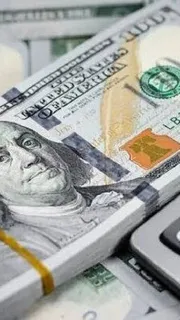
Russia Warns Over US Military Footprint Near Iran Border via Armenia Corridor
Alexei Shevtsov, deputy secretary of Russia's Security Council, warned about the project known as the Trump Route in Armenia during a speech at the Eastern Economic Forum in Vladivostok. According to Ecoiran, citing ISNA, he claimed the project could pave the way for a US military, private military contractor and intelligence infrastructure presence near Iran's border. The corridor project was announced after Azerbaijani President Ilham Aliyev and Armenian Prime Minister Nikol Pashinyan met with US President Donald Trump in Washington on August 8, 2025. It is intended to connect Azerbaijan to its Nakhchivan exclave through Armenian territory. Shevtsov said US representatives recently entered Armenia's southern Syunik region to review the project's implementation, a development he said has heightened Moscow's concern over growing Western influence in the South Caucasus.
EcoIran, citing Ecoiran via ISNA
Ripple Reserves on Binance Fall to a Two Year Low
According to on chain data platform CryptoQuant, cited by Arzdigital, Ripple's average monthly reserves on Binance have fallen by about 500 million tokens since November, dropping from 3.1 billion to 2.6 billion XRP, the lowest level since February 2024. Analysts say part of the decline may reflect long term holders moving assets into private wallets, along with new institutional demand from XRP ETFs launched by firms such as Bitwise and Franklin Templeton in late 2025. Bitwise's XRP ETF held close to 364.8 million XRP as of the end of August 2026. XRP has risen about 8 percent this week and is now trading around $1.45. CryptoQuant described the falling exchange reserves as a moderately positive medium term signal, while cautioning that its direct, immediate effect on price in the short term is unclear.
Arzdigital

Illegal Crypto Miners Are Consuming Power Equal to Four Iranian Provinces
Iranian officials say more than 13,000 illegal cryptocurrency mining farms are operating across the country, drawing about 3,750 megawatts of electricity, equal to the consumption of four provinces and nearly 8 percent of total household power use. Donya e Eqtesad reports the unauthorized mining causes roughly $2.5 billion in annual losses. More than 300,000 illegal mining rigs have been identified and seized so far, with an estimated combined load of about 1,300 megawatts, more than the capacity of the Bushehr nuclear plant. Over 70 percent of the discovered farms were located in residential areas. A spokesman for parliament's presiding board recently announced fast track approval of a bill to combat illegal electricity use for crypto mining. State utility Tavanir said identified violators will lose energy subsidies for one year and be billed at the unsubsidized free market electricity rate.
Donya-e-Eqtesad

Falling Fed Rate Hike Bets Push Bitcoin Back Above $81,000
Bitcoin traded back above $81,000 in Friday morning Asia trading on September 4, 2026, rising about 3.83 percent over 24 hours to $80,744, according to Donya e Eqtesad citing CoinDesk data. The CME FedWatch tool now shows traders pricing the odds of a Federal Reserve rate hike this month roughly even with the odds of no change, down from above 63 percent in recent days. Fed Governor Christopher Waller said he would support holding rates steady if price pressures keep easing. US spot bitcoin ETFs recorded about $277 million in net inflows on Thursday. Among the top ten cryptocurrencies, Zcash led gains with a 14.6 percent jump over 24 hours, while Ethereum rose 4.06 percent.
Donya-e-Eqtesad

$1 coin bearing Trump's image enters US circulation, a first in a century
The US Mint announced that $1 coins bearing the image of President Donald Trump have entered circulation, a step not taken for any living US president in the past century. According to Ecoiran, citing ISNA, the coins are not made of real gold but carry a gold-colored manganese brass coating and were struck at the Philadelphia Mint; the Mint has not disclosed the total number produced but said 250,000 of them carry a special "Fourth of July" mark. The Trump administration has cited the "Redesign of Circulating Collectible Coins Act," passed in 2020, to work around the general ban on depicting living presidents on US currency. The last time a living US president's image was struck on a US coin was a century ago, marking the country's 150th anniversary of independence, with an image of Calvin Coolidge. Members of the bipartisan Citizens Coinage Advisory Committee, which advises the Treasury Department, said the coin was not submitted to them for review before production.
Ecoiran, citing ISNA
Canada's PM says unelected US officials have no standing to weigh in on Canadian policy
Canadian Prime Minister Mark Carney said on Thursday, September 3, 2026, amid a tariff war between Canada and the United States, that unelected, appointed US officials have no standing to comment on Canadian policy. According to Ecoiran, citing ISNA, the remarks came in response to comments last week by US Commerce Secretary Howard Lutnick, who claimed Canada withdrew from a trade deal with the US late last month "for political reasons." Canada and the US failed to reach a trade agreement after weeks of intensive negotiations over the summer, after which President Donald Trump's new 50% tariffs took effect on billions of dollars of Canadian goods covered by the Canada-US-Mexico trade agreement. Carney said Canada will impose retaliatory tariffs on nearly $28 billion of US goods starting September 8, 2026.
Ecoiran, citing ISNA
Ukrainian police dismantle crypto scam network earning $1 million a month
Ukraine's National Police, working with the country's Security Service, dismantled a large network of fake cryptocurrency investment platforms. According to ArzDigital, the network defrauded users in more than 20 countries and earned up to $1 million a month in illegal revenue. Based on initial reports from Ukrainian authorities, 62 victims have been identified so far, and the investigation continues to determine the exact scale of stolen assets and identify other victims. According to Ukrainian police, the operators built seemingly legitimate websites and advertised on Telegram to convince users to deposit funds, showing them a completely fabricated trading dashboard; when users requested withdrawals, the platform used a fake "additional verification" step to trick them into granting access to their wallets through so-called wallet-drainer tools.
ArzDigital
Warning over fake Claude apps targeting users' crypto wallets
Security researchers at Morphisec warned about fake desktop applications using the name of Anthropic's Claude AI. According to ArzDigital, the malicious apps are distributed with promises of free access to advanced Claude models but contain infostealer malware called Revstealer. Morphisec said a fake app titled "Claude Opus 5 Free Desktop" was distributed via GitHub and, once installed, steals cryptocurrency wallet files, including from Atomic, Armory, Sparrow, Wasabi and Electrum, as well as Ledger and Trezor software, along with passwords and browser data from Windows users. The firm said the malware cannot directly decrypt a wallet at the initial stage, but if a user has reused or used a weak password, attackers may later gain access to the funds. Morphisec advised users to download AI software only from official websites and sources.
ArzDigital, citing Morphisec

Coldcard wallet hacker moves stolen bitcoin after weeks of silence
An attacker linked to the third wave of Coldcard hardware wallet thefts has begun moving part of the stolen bitcoin after weeks of silence. According to ArzDigital, the hacker converted about 10% of the stolen assets to Ethereum via the THORChain protocol and moved the funds to a new Ethereum address; THORChain said it has shared the address details with law enforcement and security firms so the funds can be traced if moved again to centralized platforms. Before this transfer, about 87% of the stolen assets, roughly 1,789 bitcoin worth approximately $114 million, had remained in the original addresses. Investigations show the hacker ran into problems completing some transactions while using THORChain, though the exact cause is unclear.
ArzDigital
G20 nations back clear legal frameworks for digital assets
G20 finance leaders backed the creation of clear legal frameworks for innovation in digital assets in an official statement. According to ArzDigital, the countries, while stressing the need to preserve financial stability, said precise regulation could play a transformative role in economic growth and placed digital assets among the group's priorities for 2026. A major part of the meeting focused on the stablecoin market, estimated at $315 billion, and the Financial Stability Board (FSB) was tasked with reviewing the cross-border implications of these assets. The G20 also stressed strict enforcement of anti-money-laundering rules; citing a Financial Action Task Force (FATF) report referenced in the statement, only 34% of the world's jurisdictions have complied with global digital asset standards.
ArzDigital

SEC chair: crypto clarity bill faces key Senate vote on September 15
Paul Atkins, chair of the US Securities and Exchange Commission (SEC), said in an interview with Fox Business that the digital asset market transparency bill known as the CLARITY Act faces a key procedural vote in the US Senate on September 15, 2026. According to ArzDigital, the vote is not the bill's final passage but concerns formally opening debate on it, and supporters need at least 60 votes to clear that stage. The bill, which would set a federal framework dividing oversight of the digital asset market between the SEC and the Commodity Futures Trading Commission (CFTC), passed the US House of Representatives in July 2025 by a vote of 294 to 134, and the Senate Banking Committee advanced its own version in May 2026 by 15 votes to 9. Atkins said he hopes the bill will ultimately reach President Donald Trump's desk for signature.
ArzDigital, citing Fox Business

Gold hits $4,437 as markets await US jobs report
Gold rose more than 1% over the 24 hours to Thursday, September 3, 2026, trading around $4,437 an ounce. According to ArzDigital, the gain came ahead of the US nonfarm payrolls (NFP) report, due Friday, September 4 at 16:00 Tehran time, which could shift market expectations for the Federal Reserve's next rate decision. At the time of the report, traders priced in roughly a 63% chance the Fed would raise rates by 25 basis points at its September meeting, while private payroll data released ahead of the NFP showed August hiring came in weaker than expected. Ilya Spivak, head of macro at Tastylive, called the US jobs report the week's most decisive event for gold, saying a hold above $4,400 could open the way toward $4,500 and then $4,700.
ArzDigital
South Korea to bring Strait of Hormuz deployment plan to parliament
South Korean media, citing government and military sources, reported that Seoul is preparing to send equipment and forces to the Strait of Hormuz. According to Ecoiran, citing Tasnim and Reuters, the South Korean government intends to deploy the equipment before the end of 2026 and has begun seeking parliamentary approval. Options under review include sending a maritime patrol aircraft, a logistics support ship, or a mine reconnaissance and clearance unit, and Seoul is also consulting on the scale and nature of possible participation alongside the United States, Britain and France. South Korea's presidential office said on Thursday, September 3, 2026, that the deployment is not yet certain. The decision comes as US President Donald Trump has been pressing South Korea to join the US military presence in the Persian Gulf.
Ecoiran, citing Tasnim and Reuters
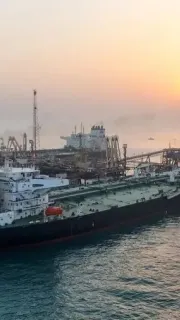
CENTCOM says it rerouted more than 80 commercial ships in the Strait of Hormuz, stopped three
US Central Command (CENTCOM) said on Thursday, September 3, 2026, that it has rerouted more than 80 commercial vessels in the Strait of Hormuz to enforce a naval blockade against Iran. According to Al Jazeera, reported by Donya-e-Eqtesad, CENTCOM also said it stopped three ships and inspected two others to ensure compliance with the blockade. The statement is the latest CENTCOM notice on the Strait of Hormuz, the key export route for Persian Gulf oil, amid ongoing military tension between the United States and Iran. CENTCOM did not release further details on the identity of the stopped or inspected vessels.
Donya-e-Eqtesad, citing Al Jazeera
Food Coupon Charge Schedule Changed, Payment Interval Extended From Five to Ten Days
According to Bourse News and Donya-e-Eqtesad, the charging schedule for Iran's food coupon program (kalabarg) has changed and will now run on the 5th, 15th and 25th of each Iranian month, extending the interval between charging rounds from five days to ten. Cash subsidy payments remain on the same five day window, from the 20th to the 30th of each month, with deciles one through three paid on the 25th and deciles four through nine on the 30th. Donya-e-Eqtesad reported two main reasons for the longer interval: first, it gives the government more room to arrange and manage credit resources for each round; second, and more importantly, it eases demand pressure on goods covered by the coupon, since each round of charging for a household group triggers a surge in purchases. Since the kalabarg program launched in Dey 1403 (December 2024-January 2025), the range of covered goods has expanded to include items such as fruit, vegetables and diapers, adding to supply logistics pressure and making the longer interval more necessary.
Bourse News

Bitcoin Miners' Revenue Tops $1 Billion in August
According to Arzdigital, bitcoin network miners earned revenue of about 1.008 billion dollars in August 2026, their best monthly performance since May. Of that total, about 1.001 billion dollars came from block rewards and 7.1 million dollars from transaction fees, with the increase driven mainly by bitcoin's 24.95 percent price gain in August. Even so, the "hashprice" index, which measures daily revenue per petahash of processing power, held at around 38.86 dollars, still reflecting the economic pressure the recent halving has placed on miners. For hashprice to reach a healthier level of 100 dollars, bitcoin's price would need to climb to around 198,950 dollars, a gap that has pushed some large mining companies to diversify revenue by offering cloud computing services for artificial intelligence.
Arzdigital

Pantera Capital CEO: A New Three-Year Bitcoin Bull Cycle Has Begun
Dan Morehead, founder and CEO of Pantera Capital, said in an interview with Bloomberg Crypto, carried by Arzdigital on Thursday, September 3, 2026 (12 Shahrivar 1405), that he believes bitcoin has entered a new three year bull cycle. Morehead said recent changes to US Treasury policy toward larger debt buybacks, combined with rising liquidity and weakening fiat currencies, could support a continued rally in scarce assets like bitcoin. Pointing to bitcoin's historical four year cycles, he said he still follows that pattern and believes the next upswing has begun. Morehead also cautioned that these policies do not resolve the core problem in the US economy, namely rising government debt. His comments reflect the analytical view of a well known crypto investor and should be read as such, not as a firm price forecast.
Arzdigital, citing Bloomberg Crypto
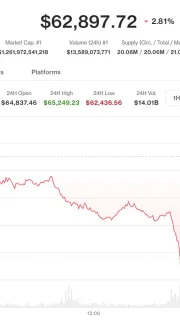
Fed's Waller: Won't Back a Rate Hike If August Inflation Keeps Cooling
Federal Reserve Board member Christopher Waller said on Thursday, September 3, 2026 (12 Shahrivar 1405), that if August inflation data shows the cooling trend continuing, he is prepared not to back a rate hike at the Fed's September meeting and to hold policy at its current level. According to Ecoiran, Waller acknowledged inflation remains above the Fed's 2 percent target but said a 25 basis point hike at a single meeting would do little to bring inflation to target while carrying real costs for the economy. Following his remarks, the odds of a rate hike priced into the FedWatch tool fell from about 60 percent to around 50 percent. Waller cautioned the outcome is not yet settled: weekly US jobless claims rose to 206,000, slightly above forecasts, and the US nonfarm payrolls report is due tomorrow, Friday, September 4 (13 Shahrivar). Markets are also awaiting remarks from Cleveland Fed President Beth Hammack, which could push rate hike odds back above 50 percent. Arzdigital also covered Waller's comments, noting the final decision hinges on economic data released before the September meeting.
Ecoiran
US Expands Economic Outcast Campaign, Rubio Demands Immediate Global Cutoff of Trade With Iran
According to Khabaronline and Donya-e-Eqtesad, citing Axios, US Secretary of State Marco Rubio ordered all US embassies worldwide earlier this week to deliver a formal diplomatic cable on the so called "Operation Economic Outcast" to host governments at the highest possible level. Under the order, embassies were directed to ask host governments to immediately and systematically cut trade with Iran and identify Iran's illicit trade activity, warning that countries, companies and individuals that keep trading with Iran risk sanctions and losing access to the US dollar system. A special message was also sent to US missions in Abu Dhabi, Muscat, Hong Kong, Doha, London, Berlin and several Central Asian capitals, asking them to press for the closure of Bank Melli and Bank Saderat branches said to be linked to the Islamic Revolutionary Guard Corps. Separately, Axios reported, citing two sources familiar with the matter, that White House envoy Steve Witkoff met Sheikh Tahnoun bin Zayed Al Nahyan, the UAE's national security adviser, in Sardinia last weekend to discuss next steps on Iran. Days before the US Treasury's sanctions were formally announced, the UAE said it was halting all trade and financial transactions with Iran, a significant move given that two way trade between the countries reached 28 billion dollars in 2024. The US Treasury simultaneously moved to cut the UAE branches of Egypt's Banque Misr off from the US financial system, and the UAE central bank has placed the bank's transactions with Iran under urgent review.
Khabaronline, citing Axios
Bahman Diesel Announces Cash Sale Plan for Trucks in Shahrivar
According to Donya-e-Eqtesad, citing Tasnim, Bahman Diesel announced the terms of a cash sale plan for its commercial vehicles for Shahrivar 1405. Buyers can register on the company's sales platform from 10am on Wednesday, 11 Shahrivar (September 2) until 4pm on Wednesday, 26 Shahrivar (September 17), or until capacity is filled. The plan covers Force trucks, Impower and Baic single axle tractor trucks, Impower trucks, and Kapra B single cab pickups, with a 3 percent model year discount applied to base prices. Under the announced prices, the 3.8 ton Force truck costs about 3.391 billion tomans, the 12 ton Force truck about 9.398 billion tomans, the X9 tractor truck about 20.9 billion tomans, and the Kapra B pickup about 3.65 billion tomans. Delivery is set for 30 Mehr 1405 (October 22, 2026), with a late delivery penalty of 2.5 percent a month and a cancellation interest rate of 17.5 percent a year.
Donya-e-Eqtesad, citing Tasnim
India's Trade Minister Says Gulf and Israel Trade Deals Will Be Finalized Once Region Stabilizes
According to Donya-e-Eqtesad, India's Minister of Commerce and Industry Piyush Goyal said on Wednesday, September 2, 2026 (11 Shahrivar 1405), at the annual meeting of India's auto parts manufacturers association, that New Delhi will finalize free trade agreements with Israel and Gulf Cooperation Council members, including Saudi Arabia, the United Arab Emirates, Qatar, Kuwait, Oman and Bahrain, as soon as stability returns to the region, as part of its effort to diversify export markets. Citing Bloomberg, Donya-e-Eqtesad reported that India and Israel had agreed during Prime Minister Narendra Modi's February 2026 visit to Jerusalem to soon complete bilateral trade talks, an agreement reached shortly before the US and Israeli war on Iran began. India, which imports nearly 90 percent of the crude oil it consumes, is highly exposed to the economic fallout of the conflict. Goyal also cited India's trade deal with the United Kingdom, in effect since July, and ongoing talks with the European Union and the United States.
Donya-e-Eqtesad, citing Bloomberg
Standard Chartered Launches Spot Bitcoin and Ether Trading in the UAE
According to Arzdigital, Standard Chartered has launched spot crypto trading for institutional clients in the United Arab Emirates through its branch at the Dubai International Financial Centre. The move makes it the first globally systemically important bank to offer direct Bitcoin and Ether trading in the region. Eligible institutional clients can access the Bitcoin and Ether market through electronic trading gateways previously used for foreign exchange trading. Unlike derivatives, the service delivers assets physically, and clients can choose to hold them in the bank's own custody service or with another custodian. The launch follows the bank's introduction of similar spot trading through its UK branch in July 2025.
Arzdigital
US Manufacturing PMI Slips to 54.6% in August
According to Ecoiran, the Institute for Supply Management's US Manufacturing PMI fell one percentage point from the prior month to 54.6 percent in August 2026, marking an eighth straight month of manufacturing expansion and a 22nd consecutive month of overall economic growth. The S&P Global manufacturing PMI held steady at 53.9 percent. In the ISM survey, 42 percent of comments were positive and 58 percent negative; among negative comments, price volatility accounted for 57 percent, longer delivery times 46 percent, the Iran war 30 percent and tariffs 29 percent. The New Orders index fell 3 points to 53.7 percent and the Employment index fell 1.6 points to 51.2 percent, while the Prices index held at a high 71.1 percent.
Ecoiran, citing مؤسسه ISM
Yen Jumps for Second Straight Day on Bank of Japan Rate Hike Bets
According to Ecoiran, the Japanese yen strengthened more than 1.5 percent against the US dollar for a second straight day on Thursday, September 3, 2026 (12 Shahrivar 1405), with the dollar yen rate falling to 156.26, the yen's highest level in about a month. Sahmino's own live data showed the dollar yen rate at 155.82 as of 15:55 Tehran time, down 1.84 percent from the start of today's trading, consistent with the yen's strengthening trend. Ecoiran, citing Bloomberg, reported that the Bank of Japan is leaning toward a 25 basis point rate hike at its two day meeting ending September 18, in response to rising price risks. BOJ Governor Kazuo Ueda had earlier said the bank would debate a possible rate increase at its September meeting.
Ecoiran, citing Bloomberg
Trump Claims Oil Flow Through Strait of Hormuz Has Returned to Normal
US President Donald Trump said in a post on Truth Social on Thursday, September 3, 2026 (12 Shahrivar 1405) that the volume of oil transiting the Strait of Hormuz, previously about 20 million barrels a day, has returned to normal. According to Donya-e-Eqtesad, Trump also reposted a Washington Post report about a possible Syrian plan to serve as an alternative route to the strait, calling it great. The claim came hours after ISNA, citing Reuters, reported that preliminary data from shipping tracker Kepler showed only four cargo vessels transited the Strait of Hormuz on Wednesday, September 2, against a 10 day average of about 13 vessels.
Donya-e-Eqtesad
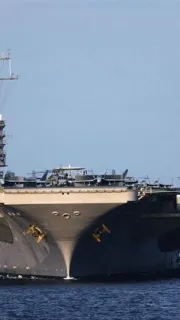
OPEC+ Likely to Keep October Oil Output Policy Unchanged
According to Bourse News, citing Reuters, three sources familiar with the matter said OPEC+ is likely to keep its October oil output policy unchanged at Sunday's meeting, as the group completed the unwinding of one layer of voluntary supply cuts this month and is now focused on 2027 quota negotiations. The meeting involves seven core members: Saudi Arabia, Russia, Iraq, Kuwait, Algeria, Kazakhstan and Oman. The report said the US military campaign against Iran continues to disrupt oil exports through the Strait of Hormuz, reducing OPEC+'s influence over prices and market share. Consultancy DeGolyer and MacNaughton is expected to deliver its review of members' production capacity, used to set 2027 quota baselines, to the group by the end of this month. Bloomberg also reported last week that Venezuela is weighing an exit from OPEC.
Bourse News, citing Reuters
Top Administrative Court Bans Forced Blocking of Bank Loan Funds
According to Bourse News, Iran's central bank said on Thursday, September 3, 2026 (12 Shahrivar 1405), that under a ruling by the General Assembly of the Administrative Court of Justice dated 5 Khordad 1405, banks and non bank credit institutions are banned from blocking part of the funds they lend, and from forcing a borrower to open a cash account and pledge it before a loan is disbursed. Under the ruling, a borrower may still voluntarily pledge a term deposit as collateral, under a 2001 law that exempts borrowers from having to pledge real estate, as long as the bank pays the deposit's full applicable interest rate; paying a lower rate is treated as a violation subject to central bank supervisory action. As a result, clause two of central bank circular No. 375517, dated 23 Esfand 1400, was struck down and revised.
Bourse News
Iran Khodro Raises Vehicle Prices From Today
According to Bourse News, Iran Khodro said in a notice that consumer prices for its products are rising from today, Thursday, September 3, 2026 (12 Shahrivar 1405), due to higher costs for vehicle scrappage certificates and registration. The change follows an amended Article 10 regulation of the auto industry organization law and higher plate registration fees. Under the notice, buyers must pay the price difference before an invoice or plate can be issued, and no invoice or registration will be processed without that payment. Vehicles pending since 11 Shahrivar 1405 will be calculated using a 35 million toman scrappage certificate value. Buyers replacing scrapped vehicles accepted from 22 Ordibehesht 1405 onward will also fall under the new price schedule.
Bourse News

Iran Mercantile Exchange Trades 430,000 Tons of Products, 145,000 Tons of It Steel
According to Bourse News, Iran Mercantile Exchange traded 430,519 tons of products on Wednesday, September 2, 2026 (11 Shahrivar 1405). On the industrial floor, 145,806 tons of steel products, 20,000 tons of iron ore, 130 tons of copper, 35 tons of concentrate and 25 tons of aluminum changed hands. On the export floor, 60,000 tons of sponge iron, about 30,000 tons of cement, 29,000 tons of clinker, 12,020 tons of bitumen, 2,000 tons of sulfur and smaller volumes of chemical products and waterproofing material were traded. The cement floor traded 16,989 tons of cement, and the petrochemical and oil products floor traded 48,000 tons of lube cut and 26,922 tons of chemical products along with other items. The secondary floor hosted trade of 26,276 tons of products.
Bourse News

18-Karat Gold Passes 23 Million Tomans in Tehran Market
According to Ecoiran, the price of 18 karat gold in Tehran's market reached around 23,535,000 tomans a gram on Thursday, September 3, 2026 (12 Shahrivar 1405). Sahmino's own live data showed 18 karat gold at 23,432,000 tomans as of 15:59 Tehran time, up about 2.6 percent from the start of today's trading, while the mesghal (about 4.6 grams) topped 1.014 billion tomans. The domestic rally tracked a rise in global spot gold, which was up 1.39 percent to 4,448.11 dollars an ounce as of 15:58 Tehran time, above this morning's level of 4,428 dollars. Falling US Treasury yields and a softer dollar, alongside an ADP report showing slower US private payroll growth in August, were cited as the main drivers, with markets now watching Friday's US nonfarm payrolls report.
Ecoiran

Free Market Dollar Crosses 221,000 Tomans
According to Ecoiran, the free market dollar rate in Iran rose on Thursday, September 3, 2026 (12 Shahrivar 1405), crossing 221,000 tomans. The euro traded at 257,720 tomans and the UAE dirham at about 60,388 tomans in the same market. Sahmino's own live data showed the dollar at 220,500 tomans as of 15:59 Tehran time, up about 0.27 percent from the start of today's trading. The dollar's rise came alongside global gold climbing above 4,448 dollars an ounce and gains in domestic gold and coin prices, a move traders linked to escalating Iran-US military tension and inflation expectations.
Ecoiran
Wall Street Journal: US Extends West Asia Military Deployment for Scenario of Tension With Iran Through 2027
According to Khabaronline, citing the Jerusalem Post and the Wall Street Journal, the US military has extended its troop deployment across West Asia, a move the report says shows the Trump administration is preparing for the possibility that tension with Iran continues through 2027. The report says the US currently has about 50,000 troops in the region, alongside 19 warships, including two aircraft carriers and 13 guided missile destroyers, along with fighter squadrons and air defense units. US President Donald Trump wrote in a social media post about the current situation: "I much prefer our current position, with near total control of the Strait of Hormuz and an economy that is totally collapsing." Citing people familiar with the matter, the Wall Street Journal reported that Trump has been discussing privately with senior aides whether to declare an end to the war with Iran. Tom Karako, missile defense project director at the Center for Strategic and International Studies, warned that sustaining this pace of operations could wear down military personnel and delay equipment maintenance.
Khabaronline, citing The Wall Street Journal
China Has Bought Up to 90 Percent of Iran's Oil Exports Since War Began
According to Al Jazeera, China, Iran's largest trading partner, has bought up to 90 percent of Iran's crude oil exports since the US and Israeli war on Iran began in late February 2026, even though Iranian crude accounts for only about 2 percent of China's overall energy mix. China's major state owned refiners, such as Sinopec and PetroChina, have shunned Iranian oil for years, leaving the trade largely to independent "teapot" refiners with limited exposure to the dollar based global financial system. Al Jazeera also reported that Chinese President Xi Jinping held a brief meeting with Iranian President Masoud Pezeshkian on the sidelines of the Shanghai Cooperation Organisation summit in Bishkek, Kyrgyzstan, before again calling for a diplomatic resolution to the Iran war during his first visit to Egypt in a decade on Tuesday. A summit between the Chinese and US presidents is also scheduled for September 24 (2 Mehr 1405).
Al Jazeera
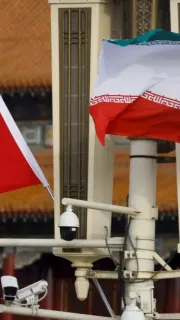
Trump and UAE President Discuss West Asia Developments in Phone Call
According to the UAE's official news agency (WAM), as reported by Donya-e-Eqtesad, US President Donald Trump and UAE President Sheikh Mohamed bin Zayed Al Nahyan discussed ways to strengthen cooperation between the two countries, as well as developments in West Asia and ongoing efforts to address them, in a phone call on Thursday, September 3, 2026 (12 Shahrivar 1405). The call followed a report by Axios that White House envoy Steve Witkoff met this week on the Italian island of Sardinia with UAE National Security Adviser Sheikh Tahnoun bin Zayed Al Nahyan to discuss next steps on Iran, a meeting held days after US Treasury Secretary Scott Bessent announced a sanctions push against Iran known as "Operation Economic Outcast."
خبرگزاری وام (WAM) and به نقل دنیای اقتصاد
Health Ministry: US Attacks Killed 18 and Wounded 142 From August 30 to September 2
Hossein Kermanpour, head of the public relations and information center at Iran's Ministry of Health, Treatment and Medical Education, said in a post on X that from 8:30pm on 8 Shahrivar to 8:30pm on 11 Shahrivar 1405 (August 30 to September 2, 2026), US attacks left 142 people wounded and 18 dead. According to ILNA, he added that of the wounded, 61 were women and 44 were under 18, while the dead included two women and one child. Khabaronline also reported the Health Ministry's tally on Thursday morning.
ILNA

Government Raises 34 Trillion Tomans at 12th Islamic Bond Auction
According to Ecoiran, the government's 12th Islamic bond auction, held this week, raised about 34 trillion tomans, more than 10 times the average financing raised under the previous sale method, the report said. Analysts cited in the report say the yield on these bonds reached 41.9 percent at this auction. Since the ninth auction, the government has run a primary and secondary market structure for its debt sales, with primary dealers including Bank Mellat, Tejarat Bank, Omid Investment Bank, Lotus Parsian Investment Bank and Afra Investment Fund; the three most recent auctions under this structure have sold at higher rates than before.
Ecoiran

Emami Gold Coin Reaches 235 Million Tomans in Today's Market
According to Donya-e-Eqtesad, citing the Tehran Gold and Jewelry Union's posted rate, the price of the Emami gold coin rose on Thursday, September 3, 2026 (12 Shahrivar 1405), reaching 235 million tomans. The half coin traded at 120 million tomans, the quarter coin at 63 million tomans, and the gram coin at 35 million tomans. Sahmino's own live data showed the Emami coin at 235,005,000 tomans at 11:34am Thursday in online trading, up about 3.07 percent from the previous day, consistent with the reported uptrend. The coin's rally came alongside the free market dollar rising above 221,000 tomans and global gold climbing about one percent to near 4,430 dollars an ounce.
Donya-e-Eqtesad
Kepler: Ship Transits Through Strait of Hormuz Fall to 10 Day Low
According to ISNA, citing Reuters, preliminary data from shipping company Kepler showed only four cargo vessels transited the Strait of Hormuz on Wednesday, September 2, 2026 (11 Shahrivar 1405), against a 10 day average of about 13 vessels. Brent crude fell 0.62 percent to $95.04 a barrel and US West Texas Intermediate fell 0.42 percent to $90.63 a barrel on Wednesday, after both benchmarks hit their highest levels since July 24 on Tuesday, September 1 (10 Shahrivar). Sahmino's own live data showed Brent trading around $94.9 a barrel at 11:12am Thursday, September 3 (12 Shahrivar), consistent with the pullback reported by ISNA. Two Iraqi energy officials also told Reuters on Wednesday that Iraq's oil exports rose from about 1.35 million barrels per day in July to about 2.34 million barrels per day in August, and are expected to rise further in September amid steep discounts and Iran's agreement to let Iraqi vessels transit the Strait of Hormuz.
ISNA, citing Reuters
US Secretary of State: Memorandum of Understanding With Iran Has Expired, Pressure on Tehran Continues
US Secretary of State Marco Rubio said, in remarks reported by the newspaper Donya-e-Eqtesad early on Thursday, September 3, 2026 (12 Shahrivar 1405), that the memorandum of understanding between Washington and Tehran has expired, and that Iran's government will remain under pressure to block funds from reaching terrorism financing channels. The memorandum concerns earlier US-Iran talks on safely reopening the Strait of Hormuz; Rubio had earlier this summer reported progress in those talks. The strait is the main export route for Persian Gulf oil, and any shift in the outlook for the talks could affect the risk premium in global oil prices and, through that channel, Iran's currency and gold markets. The US State Department had not published further detail on the remarks as of this report.
Donya-e-Eqtesad
Global Gold Climbs to $4,428 Thursday, Tehran Union Reports Gains Across the Board
Global spot gold rose 0.94 percent, or $41.33, to $4,428.42 an ounce on the morning of Thursday, September 3, 2026 (12 Shahrivar 1405). According to live data from the gold and currency information network TGJU.org at 07:14 Tehran time, the day's range for the ounce was between $4,382.20 and $4,431.40. Other precious metals moved in the same direction: silver rose 1.13 percent to $66.05 an ounce, platinum gained 0.87 percent to $1,783.10, and palladium rose 0.33 percent to $1,372. Tehran's Gold and Jewelry Union said in its report today that all items in the capital's gold and coin market rose in price. Sahmino's last recorded domestic figures, updated at 19:59 Tehran time on Wednesday, 11 Shahrivar, showed 18 karat gold at 22,835,000 tomans a gram and the Emami coin at 227,990,000 tomans; today's Thursday rates will be updated once the union publishes its official figures. The recent rise in the global ounce has been driven mainly by swings in US Treasury yields and developments in the Iran-US military tension.
Ecoiran
Esteghlal Football Club Shares Trade at 125 Tomans on Farabourse Base Market, 70 Percent Below 2022 Peak
Shares of the Esteghlal Cultural and Sports Club on Iran Farabourse's base market have fallen nearly 70 percent from their peak of 410 tomans in September 2022 (Shahrivar 1401) to a range of 122 to 125 tomans in recent days. According to Boursenews, published Tuesday, September 1, 2026 (10 Shahrivar 1405), the stock fell 63 percent to 150 tomans by March 2023 (Esfand 1401), then continued sliding roughly another 35 percent, and is now trading around 122 to 123 tomans, supported mainly by the market's broader momentum. Per Sahmino's own price data, the stock last traded at 1,254 rials (about 125.4 tomans). Boursenews reported that Esteghlal's financial statements show 922 billion tomans in accumulated losses, and the company has paid no cash dividend to shareholders in recent years. Its price to book (P/B) ratio stands above 8, which Boursenews said raises the investment risk. The stock would need to rise about 240 percent just to return to its 410 toman peak.
Bourse News
Century Old Hejaz Railway Could Return as Turkey and Saudi Arabia Weigh a Land Route Around Risky Waterways
According to Eco Iran, citing Tabnak and the analysis outlet Arabian Business, Turkey, Syria and Saudi Arabia are examining the revival of the historic Hejaz Railway, which linked Damascus to Medina between 1900 and 1908, while the United Arab Emirates and Oman have entered talks about possibly joining the planned Persian Gulf Cooperation Council rail network. Turkey and Saudi Arabia signed a rail cooperation memorandum this summer, and Turkey's Transport and Infrastructure Minister, Abdulkadir Uraloglu, has estimated that rebuilding the rail link between Turkey and Aleppo would cost about $100 million, with a full Turkey to Saudi Arabia line via Syria and Jordan potentially completed within three to four years. Dr Liju John, an assistant professor of logistics and supply chain management at Heriot Watt University Dubai, said successive Red Sea and Strait of Hormuz crises have shown regional states that the cost of being unable to move goods exceeds the cost of an expensive alternative route. The plan under discussion involves reviving existing infrastructure in Medina, Tabuk and AlUla and, if completed, would provide a new overland route paralleling the region's high risk waterways to connect Turkey with Saudi Arabian and Persian Gulf markets.
Eco Iran
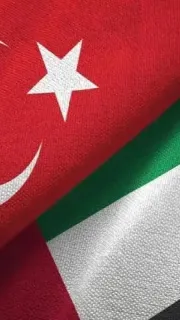
European Natural Gas Prices Hit Three Year High as TTF Contract Reaches €71.70 per Megawatt Hour
According to Eco Iran, citing the German business publication WirtschaftsWoche, European natural gas prices rose on Tuesday, 1 September 2026 (10 Shahrivar 1405), after reports of an attack on tankers in the Strait of Hormuz, with the front month TTF futures contract on the Amsterdam exchange climbing nearly 3 percent from the previous day to €71.70 per megawatt hour, the highest level since 2022, when prices briefly topped €300 per megawatt hour after Russian gas supplies were halted following the war in Ukraine. Norman Liebke, a commodities analyst at Germany's Commerzbank, said a one month extension of Qatari LNG delivery restrictions was a key driver of the increase. According to the comparison portal Verivox, gas prices for new customers in Germany have also risen noticeably, now standing at about 11 euro cents per kilowatt hour. Prices have climbed almost 40 percent over roughly the past three weeks, a rise tied to concern over a possible closure of the Strait of Hormuz as well as relatively low levels of European gas storage.
Eco Iran