
Iran's Trade Promotion Organisation says exports average about 300 dollars a tonne against about 2,000 dollars for imports
Aug 1, 2026
The head of Iran's Trade Promotion Organisation, Dehghan Dehnavi, told a joint meeting with the board of the Iran Chamber of Guilds, in a report published on Saturday 1 August 2026, that a new roadmap is being drawn up for a jump in non oil exports. He said the average value of a tonne of Iranian export goods is about 300 dollars, while the figure for imported goods is about 2,000 dollars a tonne.
He said most non oil exports are concentrated in the steel, iron ore, pellet and billet chain, whereas finished guild products such as furniture, clothing, shoes, leather and handicrafts start at about 1,000 dollars a tonne and reach several thousand dollars in clothing and footwear. He named the Eurasian and neighbouring markets a strategic priority, noting that under the free trade agreement between Iran and the Eurasian Economic Union tariffs have gone to zero on 87 percent of goods lines.
The organisation also said it is setting up a dedicated guilds export desk and will sign performance based memorandums with unions that have a documented export plan, each specifying an export figure ranging from a few million to hundreds of millions of dollars.
Media
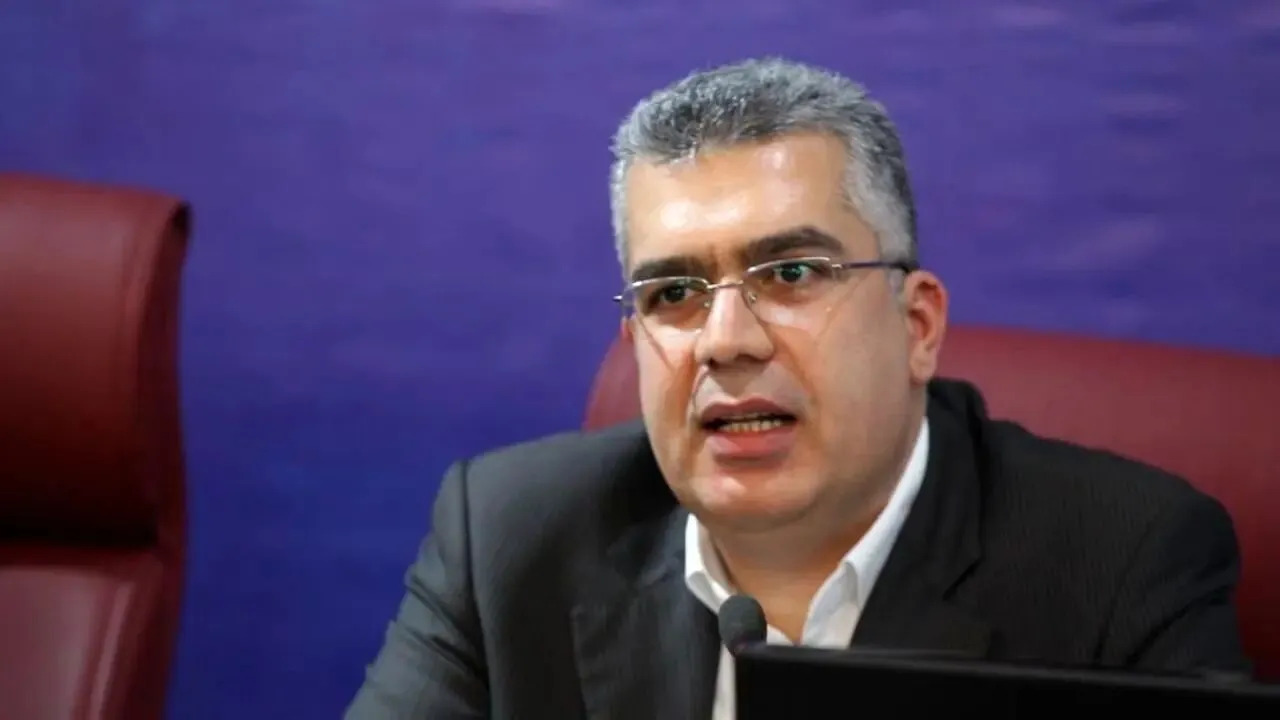
Non oil exports and guild goods, image published with the Trade Promotion Organisation report, 1 August 2026
Archive photo · Source: اقتصاد آنلاین
Source
اقتصاد آنلاین
Related news
Iran issues a red heat alert for Khuzestan with 49 to 50 degrees expected, and warns of flash floods in Golestan
Mohammad Asghari, a meteorology expert, said on Saturday 1 August 2026 that the most important warning in force is a red level alert for Khuzestan province because of continuing extreme heat. Forecasts indicate that from Sunday 2 August to Tuesday 4 August 2026, temperatures in parts of the province including Shush, Aghajari, Behbahan, Bandar Mahshahr and Ramhormoz will reach 49 to 50 degrees Celsius and higher. He added that on Sunday 2 August and Monday 3 August there is a risk of flash flooding in Golestan province, eastern Mazandaran and the highlands of Semnan province, and that residents of areas such as Pol e Sefid, Kiasar, Dibaj, Savadkuh, Galugah, Kalaleh, Gorgan and Aliabad should follow meteorological warnings. According to the expert, the 120 day winds continue to dominate the east of the country, bringing dust, lower air quality and reduced visibility in North Khorasan, Razavi Khorasan, South Khorasan, northern Sistan and Baluchestan, Kerman and Yazd. The conditions come in a week when power curbs on industrial estates have just been cut from two days to one day a week.
خبرگزاری مهر · Aug 2, 2026
Iran's foreign ministry says the naval blockade of its ports and commercial shipping is continuing
Iran's foreign ministry issued a statement on Saturday 1 August 2026 saying that the naval blockade against the country's ports and commercial shipping is continuing, and describing it, alongside attacks on military and civilian targets and civil infrastructure, as a breach of the war termination understanding of 18 June 2026. The statement characterised the continuing naval blockade as an act of aggression under the United Nations definition of aggression (General Assembly Resolution 3314 of 14 December 1974) and as a violation of article 2, paragraph 4 of the UN Charter. The ministry added that Iran will use all of its means to exercise its inherent right of legitimate self defence. The statement also accused the UN Security Council of failing to act on the situation. The continuation of the naval blockade matters directly for Iranian markets, because it affects oil and goods exports, imports through the southern ports and maritime transit.
اقتصاد آنلاین · Aug 2, 2026
Iran's services producer price inflation rose in spring 1405 compared with the previous quarter
According to a report published by EcoIran on Saturday 1 August 2026 on the services producer price index, the index rose 16.9 percent in spring 1405 (the quarter ended 21 June 2026) compared with the previous quarter, whereas quarterly inflation in this sector had been estimated at 11.7 percent in winter 1404. Year on year services producer inflation in spring 1405 was calculated at 58 percent, above the 49.7 percent recorded in winter 1404. Inflation over the twelve months ended in spring 1405 was reported at 49.3 percent, 4.8 percentage points higher than in the comparable period ended in winter 1404. Among the components, the highest quarterly inflation was in repair of motor vehicles and motorcycles at 33.3 percent, arts, entertainment and recreation at 32.1 percent, and human health and social work at 27.7 percent. The lowest were water supply and waste and sewage management at 0.2 percent, education at 1.3 percent, and real estate activities at 7.6 percent. Producer inflation usually moves ahead of consumer inflation, and services are the largest sector of Iran's economy.
اکوایران · Aug 2, 2026
Iran approves the outline of an East to West corridor document built around the Herat to Mazar-e Sharif railway
At a meeting of Iran's National Transit Headquarters chaired by First Vice President Mohammad Reza Aref on Saturday 1 August 2026, the outline of an East to West corridor document built around the Herat to Mazar-e Sharif railway project was approved. The stated aims of the document are to raise Iran's share of the international transit market, improve the country's geo economic position, strengthen economic links with Afghanistan and other countries along the route, and create new financing mechanisms for strategic projects. The same meeting approved resolutions on easing customs procedures and through transport of goods, an instruction on clearing returned empty containers and temporary imports, measures to substitute southern ports for supplying basic goods and transit through shared borders with neighbours, and an architecture plan for a smart platform monitoring the public transport fleet. Aref said the government has made the development of transit corridors one of its main priorities over the past two years, and described raising corridor capacity and developing dry and northern ports alongside the Persian Gulf ports as a basic strategy for improving Iran's standing in regional transport.
خبرگزاری مهر · Aug 1, 2026