
Turkey's central bank keeps its policy rate at 37% as the Iran war slows disinflation
Jul 19, 2026
Turkey's central bank has kept its easing cycle on hold, leaving the policy rate at 37 percent, the highest among G20 economies. It has now held for three straight meetings since March, as the energy price shock from the Iran-US war has delayed the fall in inflation. Annual inflation, which had eased from a peak near 85 percent to around 32 percent, ticked back up, rising from 30.9 percent in December 2025 to about 32.4 percent in April 2026. In its mid-May quarterly report the bank raised its end-2026 inflation forecast to 24 percent from 16 percent, calling the war's short-term effect "pronounced." Governor Fatih Karahan said in mid-July that disinflation was "on course," but that the bank would wait for the July inflation reading and greater clarity on the war before resuming rate cuts. Turkey imports roughly 25 percent of its gas from Iran, leaving it exposed to the region's energy tensions. The lira traded around 47 to the dollar at the end of the week.
Media
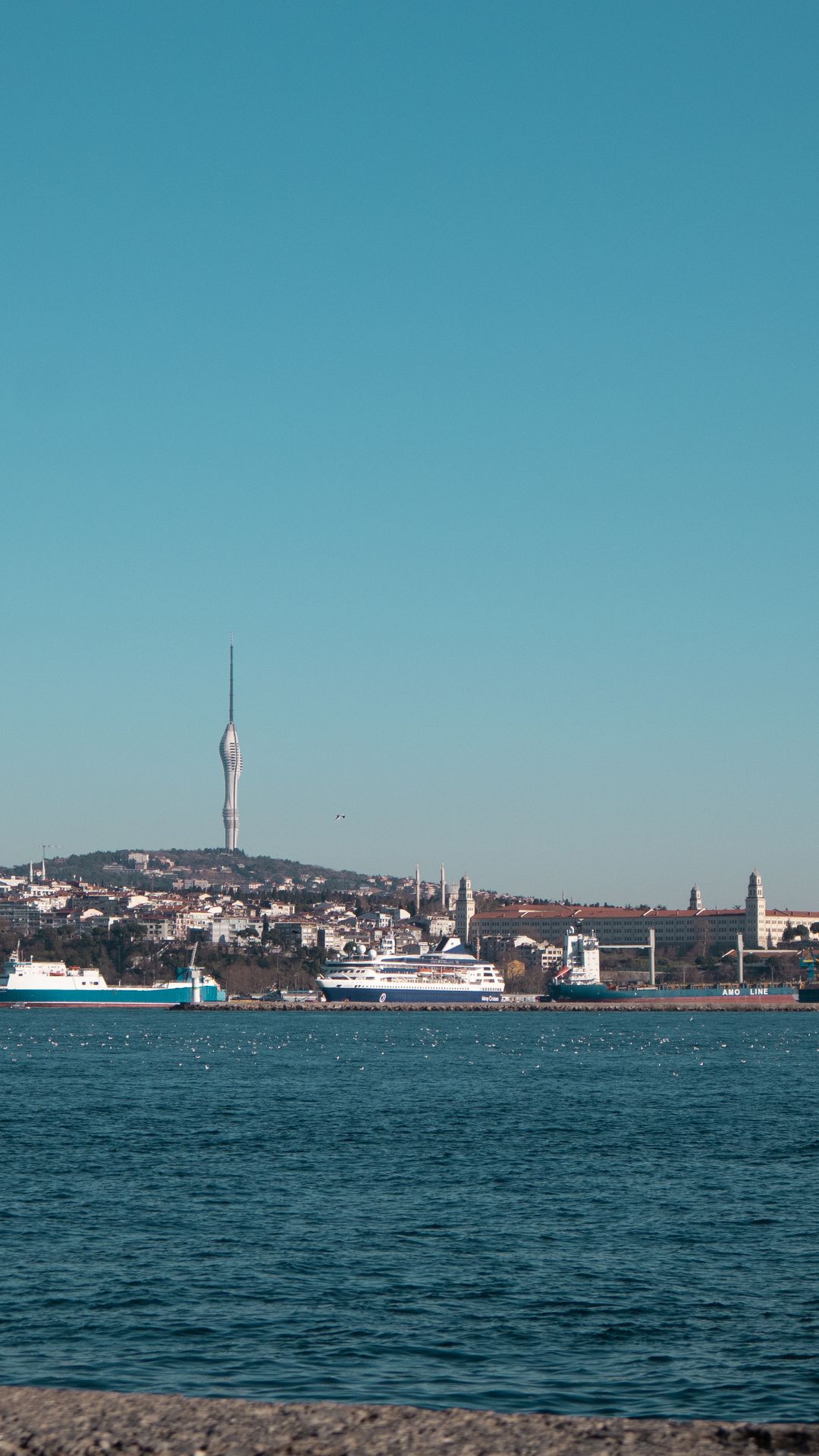
Istanbul skyline; Turkey's central bank held its policy rate at 37 percent in mid-July 2026
Source
Daily Sabah
Related news
Iran's government denies a gasoline price hike; rumored 10,000-toman third tier has no approval yet
Following reports about a possible "third tier" gasoline price of 10,000 toman per liter from the start of Mordad (23 July), Iran's government spokesperson stressed on Tuesday, 21 July 2026 (30 Tir 1405), that the government currently has no plan to change gasoline prices. The spokesperson of the parliament's energy commission also said that while there is talk of a gasoline price increase, no official decision has so far been communicated to parliament. The head of the Energy Optimization and Strategic Management Organization added that any decision to manage the gasoline shortfall would be taken only after weighing all economic and social dimensions. Fuel pricing and rationing is one of the country's most sensitive economic files because of its direct effect on inflation and transport costs, and the market reacts to any signal about it.
روزنامه تعادل · Jul 21, 2026
Gap between Iran's free-market and exchange-center dollar widens to about 39,000 toman on Tuesday
The gap between Iran's free-market dollar and the exchange-center transfer rate (the agreed, or tavafoghi, rate of the Iran Currency and Gold Exchange Center) widened on Tuesday, 21 July 2026 (30 Tir 1405). The exchange-center transfer dollar rose about 227 toman to nearly 150,900 toman, while the free-market dollar climbed about 1.4 percent to around 190,000 toman by Tuesday evening. On that basis, the gap between the two rates reached about 39,000 toman (close to 26 percent), a spread that reflects the war-risk premium in the open market amid the Iran-US conflict. At the same exchange center, the euro transfer rate was about 172,223 toman and the UAE dirham about 41,093 toman. The tavafoghi rate is an official, managed rate used for part of the country's imports and trade transactions, and it typically sits below the free-market rate.
روزنامه تعادل · Jul 21, 2026
Saudi Arabia rejects Houthi maritime embargo declaration, vows to protect Red Sea shipping
Saudi Arabia on Tuesday, 21 July 2026, rejected the declaration of a maritime embargo against it by Yemen's Ansar Allah (Houthi) movement, dismissing the claim as false. The Houthis had announced on Monday the immediate imposition of a naval blockade on Saudi Arabia on an "eye for an eye" basis, in response to what they call a blockade of Yemen. Riyadh stressed it would use all lawful measures under international law to protect its shipping and warned of the risk of escalation in the Red Sea. The United Nations also condemned the latest Houthi threats and voiced concern over the danger of a wider regional crisis. The move comes as vessel traffic through the Strait of Hormuz has effectively halted because of the Iran-US war. A closure of the Bab al-Mandab passage could disrupt Saudi Arabia's Red Sea crude exports (about 4.5 million barrels per day, most of it bound for Asia) and add fresh pressure on the global oil market and the Brent risk premium that matters for Iran's economy.
The National · Jul 21, 2026
European shares edge higher Tuesday as easing oil and earnings lift sentiment
European stock indexes edged higher in Tuesday trading, 21 July 2026, after a weak start to the week. The pan-European STOXX 600 rose about 0.1 percent to around 640 points. A pullback in oil prices from one-month highs, following reports of mediation efforts between the United States and Iran, helped lift sentiment, even as concern over energy-supply disruption persisted after Yemen's Houthis announced a naval blockade of Saudi Arabia. Technology was the best-performing sector, up about 0.9 percent, with semiconductor-equipment makers ASML and ASMI gaining around 2.8 and 2.1 percent respectively. On the earnings front, drugmaker Novartis rose about 2.2 percent after its operating profit beat estimates.
Reuters · Jul 21, 2026