
اتاق خبر
خلاصههای کوتاه و راستیآزماییشدهٔ خبرهای بازار؛ هر خبر با نام منبع و تاریخ انتشار.
متوسط قیمت گازوئیل در آمریکا همزمان با تشدید تنش در غرب آسیا به رکورد تاریخی رسید
به گزارش اکوایران به نقل از ایسنا، همزمان با تشدید اختلال در عرضه جهانی انرژی در پی از سرگیری درگیریها در غرب آسیا و ادامه جنگ روسیه در اوکراین، متوسط قیمت گازوئیل در آمریکا روز جمعه ۱۳ شهریور ۱۴۰۵ (۴ سپتامبر ۲۰۲۶) به بالاترین سطح تاریخی خود، ۵ دلار و ۸۵ سنت به ازای هر گالن، رسید. این رقم بر اساس دادههای انجمن اتومبیل آمریکا (AAA) اعلام شده است. بر پایه این گزارش، با توجه به کاهش شدید ذخایر گازوئیل، قیمت این سوخت ممکن است در روزهای آینده باز هم افزایش یابد؛ بهویژه در شرایطی که ایالتهای کشاورزی آمریکا وارد فصل برداشت و کاشت محصولات میشوند و تقاضا برای گازوئیل افزایش مییابد.
اکوایران، به نقل از ایسنا
قیمت گازوئیل آمریکا به بالاترین سطح از آوریل رسید
به گزارش انجمن اتومبیل آمریکا (AAA)، میانگین قیمت خردهفروشی گازوئیل در سراسر آمریکا روز سهشنبه ۱۰ شهریور ۱۴۰۵ (۱ سپتامبر ۲۰۲۶) به ۵ دلار و ۶۸.۸ سنت در هر گالن رسید؛ رقمی که به گزارش بلومبرگ (به نقل دنیای اقتصاد)، تنها اندکی پایینتر از رکورد آوریل، بالاترین سطح از اواسط سال ۲۰۲۲، است. تحلیلگران گلدمن ساکس در یادداشتی به تاریخ ۶ شهریور (۲۸ اوت) نوشتند حملات به پالایشگاههای خاورمیانه و روسیه، ظرفیت تولید جهانی را که پیش از این نیز تحت فشار بود، محدودتر کرده است. دونالد ترامپ، رئیسجمهور آمریکا، اوایل همین هفته در نشستی خصوصی از پالایشگاههای داخلی این کشور خواسته بود تولید گازوئیل و بنزین را افزایش دهند.
دنیای اقتصاد، به نقل از بلومبرگ
آمریکا احیای قانون قرون هجدهمی «غنیمت دریایی» را برای توقیف و فروش نفت ایران بررسی میکند
به گزارش تارنمای اویلپرایس (Oilprice.com) به نقل از بلومبرگ که روز شنبه ۷ شهریور ۱۴۰۵ (۲۹ اوت ۲۰۲۶) منتشر شد، دولت آمریکا در حال بررسی مسیر حقوقی نامتعارفی برای رسیدگی به نفت و کشتیهای ایرانی توقیفشده در چارچوب محاصره دریایی خود است: بازگرداندن نظام «غنیمت دریایی» (prize law)، سازوکاری جنگی که از جنگ جهانی دوم تاکنون عملاً کنار گذاشته شده بود. بر اساس این گزارش، وزارت دادگستری آمریکا با همکاری پنتاگون در حال آمادهسازی برای استفاده از این سازوکار است که برخلاف روند کند و پیچیده «ضبط مدنی» کنونی، به دادگاهها اجازه میدهد بهسرعت مالکیت کشتی و محموله توقیفشده در جریان درگیری مسلحانه را به آمریکا منتقل کنند و عواید فروش آن را به خزانهداری این کشور واریز کنند. آرون رایتس، دادستان آمریکا در ایالت تگزاس که دفترش با مقامات وزارت دادگستری در واشینگتن همکاری میکند، به بلومبرگ گفته دادگاههای غنیمت دریایی را «احیا» میکنند و از آن بهعنوان «شاخهای باستانی از حقوق دریایی» یاد کرده است. به گزارش اویلپرایس، هیوستون به دلیل دسترسی به یک بندر بزرگ و مجاورت با بزرگترین مجتمع پتروشیمی آمریکا، بهعنوان کانون احتمالی این پروندهها مطرح است. نیروهای آمریکایی از زمان اعمال محاصره دریایی علیه ایران در فروردین ۱۴۰۵ (آوریل ۲۰۲۶)، شماری از کشتیهای متعلق به یا مرتبط با ایران را متوقف کردهاند. این گزارش میافزاید کارشناسان حقوقی درباره اجرای این چارچوب قرونهجدهمی در نظام حقوق بینالملل امروز و مبنای قانونی کافی برای توسل به آن با توجه به ابهام درباره مجوز کنگره برای این مخاصمه، تردید دارند و منتقدان هشدار میدهند این رویه میتواند الگویی بسازد که رقبایی مانند چین در آینده علیه کشتیرانی آمریکا از آن استفاده کنند.
Oilprice.com (citing Bloomberg)

نخستوزیر آلبرتا با استفاده از نفت بهعنوان اهرم فشار بر ترامپ مخالفت کرد
دنیل اسمیت، نخستوزیر ایالت آلبرتای کانادا، روز پنجشنبه ۵ شهریور ۱۴۰۵ (۲۷ اوت ۲۰۲۶) با ایده وضع عوارض صادراتی بر نفت خام صادراتی این ایالت به آمریکا، بهعنوان اقدام تلافیجویانه در برابر تعرفههای دولت ترامپ، مخالفت کرد. به گزارش اویلپرایس به نقل از گلوبالنیوز، وی این اقدام را «فاجعهبارترین تصمیم سیاستی» ممکن برای اقتصاد کانادا توصیف کرد. به گفته اسمیت، چنین اقدامی میتواند واکنش تعرفهای نامتناسبی از سوی آمریکا را برانگیزد و به اقتصاد کانادا آسیب برساند؛ او هشدار داد آمریکا در واکنش میتواند صادرات بنزین و گازوئیل خود به انتاریو و کبک را قطع کند. آلبرتا روزانه حدود ۴ میلیون بشکه نفت خام به آمریکا صادر میکند که ارزش آن سال گذشته میلادی نزدیک به ۸۰ میلیارد دلار بوده است.
Oilprice.com (به نقل از گلوبالنیوز)
افشای مالی: ترامپ در روز اعلام آتشبس جنگ ایران سهام اکسونموبیل را فروخت
به گزارش چارلز کندی در اویلپرایس که روز پنجشنبه ۵ شهریور ۱۴۰۵ (۲۷ اوت ۲۰۲۶) منتشر شد و بر پایه اسناد افشای مالی بررسیشده توسط سیبیاس نیوز، حسابهای سرمایهگذاری دونالد ترامپ، رئیسجمهور آمریکا، در تاریخ ۱۸ فروردین ۱۴۰۵ (۷ آوریل ۲۰۲۶) بین ۵۰۰ هزار تا یک میلیون دلار سهام اکسونموبیل فروختند؛ درست همان روزی که ترامپ آتشبس جنگ ایران را اعلام کرد و ساعاتی پیش از آنکه سهام اکسون ۶.۵ درصد افت کند. سهام اکسون در پایان همان روز ۱۶۳ دلار و ۹۱ سنت بود و روز بعد با ۱۵۳ دلار و ۵۲ سنت بازگشایی شد. بر پایه این گزارش، این معامله یکی از صدها هزار دلار خرید و فروش مرتبط با اکسون، شورون و دیگر شرکتهای نفت و گاز در نیمه نخست ۲۰۲۶ بوده است؛ در حالی که اکسون و شورون در فصل دوم امسال رویهم ۲۶.۵ میلیارد دلار سود کسب کردند. کاخ سفید به سیبیاس گفته ترامپ در معاملات دخالتی ندارد و پرتفوی او توسط نهادهای مالی مستقل مدیریت میشود. ترامپ داراییهای خود را در صندوق کور قرار نداده و قانون فدرال چنین الزامی برای رئیسجمهور آمریکا ندارد.
اویلپرایس (Oilprice.com، به نقل از سیبیاس نیوز)

ذخایر نفت آمریکا برخلاف انتظار افزایش یافت؛ برنت با افت ۴ درصدی به زیر ۸۸.۵ دلار عقب نشست
مؤسسه نفت آمریکا (API) روز سهشنبه ۳ شهریور ۱۴۰۵ (۲۵ اوت ۲۰۲۶) اعلام کرد ذخایر نفت خام آمریکا در هفته منتهی به ۳۰ مرداد (۲۱ اوت) به میزان ۴.۲ میلیون بشکه افزایش یافته است، در حالی که تحلیلگران افزایش ۱.۹ میلیون بشکهای را پیشبینی کرده بودند. در همین هفته ۳.۷ میلیون بشکه دیگر از ذخایر راهبردی (SPR) برداشت شد و کل موجودی این ذخیره به ۲۸۹.۷ میلیون بشکه رسید؛ سطحی نزدیک به کف عملیاتی ۲۵۰ تا ۳۰۰ میلیون بشکهای که پایینتر از آن، پمپاژ و پالایش کارآمد ذخیره دشوار میشود. همزمان، بنزین با افت ۳.۲ میلیون بشکهای مواجه شد. برنت در معاملات سهشنبه با افت ۴.۱۱ درصدی (نزدیک به ۳ دلار افت هفتگی) به ۸۸.۳۸ دلار رسید و وست تگزاس اینترمدیت نیز با افت ۳.۳۹ درصدی به ۸۲.۱۳ دلار عقب نشست. تولید نفت آمریکا در هفته منتهی به ۲۳ مرداد (۱۴ اوت) به رکورد ۱۳.۸۳ میلیون بشکه در روز رسید.
Oilprice.com (API data)
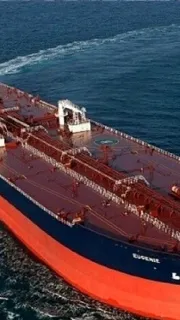
بانک آو امریکا: ذخایر نفت آمریکا به کف ۴۰ تا ۵۰ ساله رسید؛ پوشش ذخایر راهبردی به ۴۰ روز افت کرد
مؤسسه تحقیقاتی بانک آو امریکا (Bank of America Global Research)، به گزارش خبرگزاری مهر که دوشنبه دوم شهریور ۱۴۰۵ (۲۴ اوت ۲۰۲۶) منتشر شد، اعلام کرد حجم کل ذخایر نفت خام آمریکا، شامل ذخایر راهبردی (SPR)، با افتی کمسابقه به پایینترین سطح خود در ۴۰ تا ۵۰ سال گذشته رسیده است. بر پایه این گزارش، میزان پوششدهی ذخایر راهبردی نفت آمریکا با افت شدید به مرز ۴۰ روز نزدیک شده، در حالیکه میانگین تاریخی این پوشش در محدوده ۶۵ روز بوده است. به گفته تحلیلگران بانک آو امریکا، تخلیه شتابان ذخایر راهبردی آمریکا در سالهای اخیر عمدتاً از تلاش واشنگتن برای مهار موقت قیمتهای انرژی و جبران پیامدهای سیاستگذاری در این حوزه ناشی شده است. آنها هشدار دادند در صورت بروز شوک غیرمنتظره در عرضه جهانی نفت یا تشدید تنش در مناطق راهبردی تولید انرژی، توان آمریکا برای مدیریت پیامدهای آن بهشدت محدود خواهد بود.
خبرگزاری مهر، به نقل از بانک آو امریکا
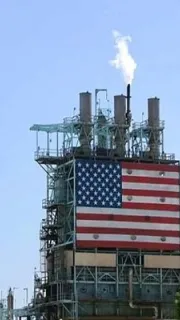
شمار دکلهای حفاری نفت و گاز آمریکا با وجود افزایش قیمتها کاهش یافت
به گزارش اویلپرایس به نقل از دادههای شرکت بیکر هیوز که روز جمعه ۳۰ مرداد ۱۴۰۵ (۲۱ اوت ۲۰۲۶) منتشر شد، شمار کل دکلهای فعال حفاری نفت و گاز آمریکا در هفته منتهی به این تاریخ به ۵۸۸ دستگاه رسید؛ ۵۰ دستگاه بیشتر از مدت مشابه سال گذشته اما با افت نسبت به هفته پیش. شمار دکلهای نفتی با کاهش ۳ دستگاهی به ۴۵۲ دستگاه رسید (۴۱ دستگاه بیشتر از سال پیش) و شمار دکلهای گازی یک دستگاه کاهش یافت و به ۱۲۷ دستگاه رسید (۵ دستگاه بیشتر از سال پیش). این کاهش هفتگی در حالی ثبت شده که قیمت جهانی نفت به دلیل محدودیتهای تنگه هرمز و تشدید تحریمهای آمریکا علیه ایران روند صعودی داشته است؛ آماری که نشان میدهد افزایش قیمت بهتنهایی هنوز به رشد فعالیت حفاری در آمریکا منجر نشده است.
اویلپرایس

آژانس محیطزیست آمریکا اجازه فروش زودهنگام بنزین ارزانتر زمستانی را صادر کرد؛ بنزین در آمریکا از اواسط جولای بالای ۴ دلار ماند
آژانس حفاظت از محیطزیست آمریکا (EPA) روز پنجشنبه ۲۹ مرداد ۱۴۰۵ (۲۰ اوت ۲۰۲۶) به گزارش پایگاه خبری اویلپرایس، مجوز داد فروش بنزین حاوی ۱۰ درصد اتانول با استاندارد زمستانی و ارزانتر از یکم سپتامبر (۱۰ شهریور) آغاز شود؛ زودتر از زمان معمول انتقال فصلی در نیمه سپتامبر. دولت آمریکا اعلام کرد پایان زودهنگام الزامات بنزین تابستانی میتواند صدها هزار بشکه در روز به عرضه داخلی بنزین این کشور اضافه و اندکی از فشار قیمت در پمپ بنزینها بکاهد. به گزارش انجمن خودروی آمریکا (AAA) که اویلپرایس آن را نقل کرده، میانگین قیمت بنزین در آمریکا از اواسط ژوئیه (تیرماه) تاکنون بالای ۴ دلار در هر گالن باقی مانده؛ حدود یک دلار بیشتر از زمان آغاز جنگ ایران و آمریکا و بالاترین رقم برای این برهه از سال در تاریخ این کشور. این معافیت همزمان با اعلام اسکات بسنت، وزیر خزانهداری آمریکا، درباره تحریمهای تازه علیه ایران صادر شد. وزارت انرژی آمریکا از پیش گفته بود قیمت بالای سوخت تا پایان سال ادامه خواهد داشت، زیرا واشنگتن و تهران به توافقی برای بازگشایی تنگه هرمز نرسیدهاند.
اویلپرایس
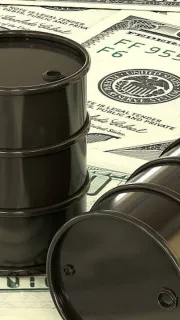
معاون رئیسجمهور آمریکا: ارزان نگهداشتن بنزین در جریان جنگ ایران، اولویت نخست دولت است
جیدی ونس، معاون رئیسجمهور آمریکا، شامگاه پنجشنبه ۲۲ مرداد ۱۴۰۵ (۱۳ اوت ۲۰۲۶) در مصاحبه با شبکه فاکسنیوز گفت ارزان نگهداشتن بهای بنزین و گاز برای شهروندان آمریکایی در جریان جنگ با ایران، هدف نخست دولت است. به گزارش پایگاه خبری اویلپرایس (Oilprice.com)، او گفت: «میدانم قیمت نفت امروز پایین است و نسبت به اوج روزهای نخست این درگیری فاصله زیادی گرفته... هدف شماره یک، ارزان نگهداشتن نفت و گاز برای همه آمریکاییهاست»؛ او هدف دوم را جلوگیری از دستیابی ایران به سلاح هستهای عنوان کرد.\n\nاین اظهارات ساعاتی پیش از آنکه آمریکا اعلام کند ممکن است محاصره دریایی نفت ایران را «نامحدود» ادامه دهد مطرح شد. بر پایه گزارش این پایگاه خبری، میانگین قیمت بنزین در آمریکا همچنان بالای ۴ دلار در هر گالن است و به گفته پاتریک دو هان، مسئول تحلیل نفت در گسبادی، امسال گرانترین ماه اوت از نظر میانگین قیمت بنزین در این کشور از سال ۲۰۰۸ تاکنون بوده است.
Oilprice.com

وزارت انرژی آمریکا تامین مالی راکتور هستهای ایکسانرژی را به ۲.۱۵ میلیارد دلار رساند
به گزارش پایگاه خبری اویلپرایس (Oilprice.com) که پنجشنبه ۲۲ مرداد ۱۴۰۵ (۱۳ اوت ۲۰۲۶) منتشر شد، وزارت انرژی آمریکا اعلام کرد یک میلیارد دلار کمکمالی تازه به شرکت «ایکسانرژی» برای پروژه مشترک راکتور هستهای این شرکت با «داو» در تگزاس اختصاص میدهد؛ رقمی که مجموع بودجه فدرال در دسترس این پروژه از سال ۲۰۲۱ را به ۲.۱۵ میلیارد دلار میرساند. کلی سل، مدیرعامل ایکسانرژی، روز پنجشنبه گفت وزارت انرژی این بودجه تازه را از محل «برنامه نمایشی راکتورهای پیشرفته» تخصیص داده و این بودجه، مانند بودجه اولیه، باید با هزینهکرد بخش خصوصی به نسبت مساوی همراه شود. بر پایه این گزارش، ایکسانرژی و داو قرار است این فناوری را در مجتمع پتروشیمی سیدریفت داو در تگزاس بهکار گیرند، جایی که این راکتورها جایگزین واحدهای انرژی و بخار فعلی خواهند شد و برق و بخار صنعتی تامین میکنند. به گفته سل، این پروژه قرار است نخستین راکتور هستهای پیشرفته در مقیاس شبکه در آمریکای شمالی باشد که به یک سایت صنعتی خدمات میدهد و بهرهبرداری آن برای اوایل دهه ۱۴۱۰ (اوایل دهه ۲۰۳۰ میلادی) هدفگذاری شده است.
Oilprice.com

سومین حراج نفت و گاز خلیج مکزیک برگزار شد؛ دولت ترامپ ۸۱ میلیون ایکر را به مزایده گذاشت
وزارت کشور آمریکا روز چهارشنبه ۲۱ مرداد ۱۴۰۵ (۱۲ اوت ۲۰۲۶) بیش از ۸۱ میلیون ایکر (هر ایکر برابر حدود ۰.۴ هکتار) از قطعات نفت و گاز خلیج مکزیک را برای حراج عرضه کرد؛ سومین حراج از مجموع ۳۰ حراجی که بر پایه قانون مالیاتی و بودجهای سال ۲۰۲۵ دولت ترامپ مقرر شده است. به گزارش اویلپرایس، این دومین حراج خلیج مکزیک از زمان آغاز جنگ آمریکا و اسرائیل با ایران در فوریه ۲۰۲۶ است که با اختلال در عرضه نفت خاورمیانه، قیمت نفت را به بالاترین سطح چهار سال اخیر رسانده بود؛ نفت برنت روز چهارشنبه بالای ۸۹ دلار در هر بشکه معامله میشد. با وجود وسعت زیاد قطعات عرضهشده، ۱۲ شرکت تنها ۶۹ پیشنهاد برای حدود ۳۳۰ هزار ایکر (نزدیک ۰.۴ درصد از کل مساحت عرضهشده) ثبت کردند. حراج پیشین در ماه مارس ۴۶.۹۸ میلیون دلار پیشنهاد برای ۲۵ قطعه به همراه داشت که در مقایسه با ۳۰۰.۴ میلیون دلار پیشنهادهای نخستین حراج در دسامبر، رقم کوچکتری بود. خلیج مکزیک حدود ۱۵ درصد از تولید نفت آمریکا را تأمین میکند، اما به گفته اویلپرایس، این حراج به دلیل نیاز پروژههای فراساحلی به سرمایهگذاری سنگین و زمان طولانی، کمکی فوری به جبران اختلال عرضه ناشی از جنگ ایران نخواهد کرد.
اویلپرایس
ذخایر نفت خام آمریکا برخلاف انتظار ۹ میلیون بشکه افزایش یافت؛ برنت به ۸۹ دلار نزدیک شد
موسسه نفت آمریکا (API) در گزارشی که سهشنبه ۲۰ مرداد ۱۴۰۵ (۱۱ اوت ۲۰۲۶) منتشر شد، اعلام کرد ذخایر نفت خام آمریکا در هفته منتهی به ۷ اوت (۱۶ مرداد) با ۹ میلیون و ۷۲ هزار بشکه افزایش روبهرو شده، در حالی که تحلیلگران انتظار افت ۵۰۰ هزار بشکهای را داشتند. ذخایر راهبردی نفت آمریکا (SPR) در همین هفته ۶.۱ میلیون بشکه دیگر کاهش یافت و به ۲۹۸.۷ میلیون بشکه رسید. تولید نفت آمریکا در هفته منتهی به ۳۱ ژوئیه (۹ مرداد) به ۱۳ میلیون و ۸۰۴ هزار بشکه در روز رسید، حدود ۶۰۰ هزار بشکه بیشتر از سال قبل. بر پایه این گزارش، ساعت ۱۵:۵۷ به وقت شرقی آمریکا روز سهشنبه، نفت برنت با رشد ۱.۵۵ درصدی به ۸۹ دلار و ۸ سنت و وست تگزاس اینترمدیت با رشد ۱.۴۲ درصدی به ۸۴ دلار و ۲۲ سنت رسیدند؛ برنت نسبت به هفته قبل نزدیک به ۱۰ دلار رشد کرده است.
Oilprice.com (به نقل از موسسه نفت آمریکا)
سنای آمریکا لایحه گسترده تحریم انرژی روسیه موسوم به «قانون گراهام» را با رأی ۸۶ به ۱۱ تصویب کرد
سنای آمریکا روز جمعه ۱۶ مرداد ۱۴۰۵ (۷ اوت ۲۰۲۶) با رأی ۸۶ موافق در برابر ۱۱ مخالف، بسته تحریمی گستردهای علیه درآمدهای انرژی روسیه را تصویب کرد. به گزارش الجزیره، این لایحه که «قانون تحریم روسیه و ایران گراهام ۲۰۲۶» نام دارد، تعرفه ۱۰۰ درصدی بر واردکنندگان عمده نفت و گاز روسیه وضع میکند و شبکههای دریایی پنهانی را که برای دور زدن تحریمهای غربی استفاده میشوند نیز هدف قرار میدهد. این لایحه اکنون باید در مجلس نمایندگان که تا اوایل سپتامبر در تعطیلات تابستانی است، رأیگیری شود. این قانون به نام سناتور جمهوریخواه لیندزی گراهام که در ۲۰ تیر (۱۱ ژوئیه) درگذشت نامگذاری شده است؛ او یک روز پیش از مرگش موافقت کاخ سفید برای پیشبرد تحریمهای تازه علیه هیدروکربنهای روسیه را اعلام کرده بود. ولادیمیر زلنسکی، رئیسجمهور اوکراین، از این اقدام استقبال کرد، در حالی که برخی نمایندگان مجلس نمایندگان آمریکا نسبت به اختیارات نامحدود تعرفهای که این لایحه به ترامپ میدهد ابراز نگرانی کردند.
Al Jazeera
صادرات دیزل آمریکا با رکورد روزانه ۱.۹ میلیون بشکهای، موجودی داخلی را به پایینترین سطح از ۱۹۹۶ رساند
به گزارش اویلپرایس به نقل از اداره اطلاعات انرژی آمریکا (EIA)، صادرات دیزل آمریکا در هفته منتهی به ۶ اوت ۲۰۲۶ (۱۵ مرداد ۱۴۰۵) با میانگین روزانه ۱.۹ میلیون بشکه به رکورد تاریخی رسید و رکورد پیشین ثبتشده در بهار امسال را شکست. این جهش صادراتی که بیشتر به سمت اروپا سرازیر شده، ناشی از کمبود سوخت در دیگر نقاط جهان در پی بحران انرژی غرب آسیا است. دادههای EIA همزمان نشان داد تولید داخلی دیزل در همان هفته کاهش یافته و ذخایر آن اکنون ۱۲ درصد پایینتر از میانگین پنج سال اخیر قرار دارد. بلومبرگ نیز گزارش داد صادرات دیزل آمریکا پیش از رسیدن به رکورد اخیر، طی پنج هفته متوالی در محدوده روزانه ۱.۵ میلیون بشکه ثابت بوده و ذخایر این سوخت اکنون به پایینترین سطح از سال ۱۹۹۶ رسیده است. کارشناسان هشدار میدهند با آغاز فصل تعمیرات پالایشگاهها از اوت تا اکتبر و نزدیک شدن فصل سرما، کمبود احتمالی دیزل و سوخت گرمایشی میتواند تشدید شود.
Oilprice.com
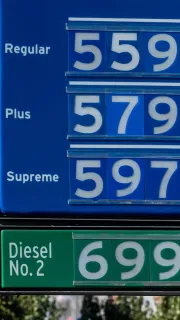
آمریکا صادرات ضایعات تنگستن و بلکمس را برای یک سال مشمول مجوز کرد
به گزارش اویلپرایس در چهارشنبه ۱۴ مرداد ۱۴۰۵ برابر با ۵ اوت ۲۰۲۶، اداره صنعت و امنیت وزارت بازرگانی آمریکا در حال اعمال محدودیت یکساله بر صادرات «بلکمس» و ضایعات و قراضه تنگستن بدون مجوز است تا تأمین داخلی این فلزات حیاتی تضمین شود. وزارت بازرگانی آمریکا در درخواست نظرخواهی درباره این قاعده موقت نهایی اعلام کرد این اقدام در پی تصمیم ریاستجمهوری بر پایه بخش ۱۰۱ قانون تولید دفاعی صادر شده که هفته گذشته اتخاذ شد. در آن تصمیم آمده است مواد و کانیهای حیاتی قابل بازیافت کمیاب هستند. بلکمس ماده حاصل از بازیافت باتریهای لیتیومیونی است و تنگستن در صنایع فلزی و دفاعی کاربرد دارد. محدود شدن جریان جهانی این مواد میتواند بر زنجیره تأمین فلزات خاص و بازار قراضه در سطح بینالمللی اثر بگذارد.
Oilprice
دادگاه تجدیدنظر آمریکا مانع لغو ۲۰ میلیارد دلار کمکهزینه انرژی پاک شد
دادگاه تجدیدنظر فدرال آمریکا در ناحیه کلمبیا روز سهشنبه ۱۳ مرداد ۱۴۰۵ رأی داد که سازمان حفاظت محیط زیست آمریکا (EPA) نمیتواند حدود ۲۰ میلیارد دلار کمکهزینه اعطاشده به سازمانهای غیرانتفاعی برای پروژههای انرژی پاک را مسدود کند. این رأی، تصمیم پیشین یک هیئت سهنفره از همین دادگاه را که در سپتامبر گذشته به سود دولت صادر شده بود، لغو میکند. موضوع اختلاف، صندوق کاهش گازهای گلخانهای است که کنگره در قالب قانون کاهش تورم سال ۲۰۲۲ ایجاد کرد. اکثریت قضات گفتند تلاش سازمان محیط زیست برای لغو این کمکها و بازپسگیری پول، «صرفاً بر پایه یک اختلاف سیاستی»، احتمالاً ناقض قانون کاهش تورم بوده است. با این حال پول بلافاصله آزاد نمیشود: اجرای رأی موقتاً متوقف شده تا سازمان محیط زیست فرصت داشته باشد از دیوان عالی آمریکا درخواست ورود کند. این پرونده یکی از چند چالش حقوقی در برابر تلاش دولت آمریکا برای بازگرداندن سیاستهای اقلیمی دوره پیشین است؛ سیاستهایی که در کنار گسترش حمایت از تولید سوخت فسیلی دنبال میشود.
Al Jazeera
بنزین در آمریکا بالای ۴ دلار در هر گالن ماند در حالی که سود شورون به ۱۲ میلیارد دلار رسید
شرکت شورون روز جمعه ۹ مرداد ۱۴۰۵ (۳۱ ژوئیه ۲۰۲۶) بالاترین سود فصلی شش سال گذشته خود را گزارش کرد: سود تعدیلشده هر سهم ۶٫۰۶ دلار، معادل ۱۲ میلیارد دلار. اکسونموبیل نیز در همان روز بهترین سود فصلی چهار سال اخیر خود را با ۹٫۲ میلیارد دلار اعلام کرد، هرچند کمتر از انتظار تحلیلگران بود، و والرو انرژی روز پنجشنبه با سود خالص ۳٫۷ میلیارد دلار بالاترین سود فصل دوم تاریخ خود را ثبت کرد. پسزمینه این ارقام، تنش آمریکا و ایران و فشار بر زنجیره تأمین نفت جهان در تنگه هرمز است؛ آبراهی که پیش از جنگ حدود یکپنجم عرضه انرژی جهان از آن میگذشت. نفت برنت در فصل دوم ۲۳ درصد بالاتر از سهماهه نخست سال بود. به گفته بیل درولت، مدیر اجرایی ادغام و تملک در بانک سرمایهگذاری پست اوک گروپ، کمتر از ۵ درصد تولید شورون به تنگه هرمز وابسته است و بیش از ۷۰ درصد تولید این شرکت در آمریکا متمرکز است. این سودها اما به مصرفکننده آمریکایی نرسیده است. بر پایه داده انجمن خودروی آمریکا (تریپلای)، میانگین بهای هر گالن بنزین در آمریکا ۴٫۰۹ دلار است؛ اندکی پایینتر از ۴٫۱۱ دلار هفته پیش اما بالاتر از ۳٫۸۲ دلار یک ماه پیش. این رقم هنگام نخستین حملات آمریکا و اسرائیل به ایران در اواخر فوریه ۲٫۹۸ دلار بود. دونالد ترامپ، رئیسجمهور آمریکا، روز دوشنبه ۱۲ مرداد در واکنش به این نتایج به خبرنگاران گفت این سودها را نمیپسندد.
Al Jazeera
پنتاگون مناقصه ۳۰۰ میلیون دلاری خرید لیتیوم برای ذخایر راهبردی را لغو کرد
وزارت دفاع آمریکا مناقصه خرید تا ۳۰۰ میلیون دلار کربنات لیتیوم برای ذخایر راهبردی ملی را لغو کرد. آژانس تدارکات دفاعی این وزارتخانه که زنجیره تأمین دفاعی را از مواد اولیه تا مصرف نهایی مدیریت میکند، این فراخوان را بهطور کامل و از تاریخ ۳ اوت ۲۰۲۶ (۱۲ مرداد ۱۴۰۵) لغو کرد و در اطلاعیه خود دلیلی برای آن ذکر نکرد. این آژانس مناقصه را در روزهای نخست ژوئیه منتشر کرده و برای خرید نزدیک به ۳۶ میلیون پوند، حدود ۱۶ هزار تن، کربنات لیتیوم با درجه باتری در پنج سال آینده پیشنهاد خواسته بود. مهلت ارائه پیشنهادها دو بار تمدید شده بود؛ نخست از ۱۷ ژوئیه به ۳۰ ژوئیه و سپس از ۳۰ ژوئیه به ۵ اوت. سال گذشته نیز همین آژانس مناقصه خرید کبالت به ارزش حدود ۵۰۰ میلیون دلار را لغو کرده بود؛ دو لغو پیاپی که نشان میدهد تأمین مواد معدنی راهبردی با قیمتهای ثابت و برای عرضه چندساله دشوار شده است. قیمت کربنات لیتیوم از ابتدای سال حدود ۲۰ درصد بالا رفته، اما قراردادهای آتی این ماده در چین در ژوئیه به کمترین سطح پنج ماه گذشته رسید؛ زیرا با راهاندازی دوباره برخی معادن، نگرانی از مازاد عرضه در ماههای آینده تشدید شده است. شرکت کاتل، غول باتری خودروهای برقی چین، در ژوئن اجازه یافت معدن لیتیوم جیانشیاوو خود را دوباره راهاندازی کند و همین موضوع قیمتها را در چین پایین آورد. تحلیلگران مؤسسه مایاستیل در یادداشتی روز سهشنبه نوشتند تولید کربنات لیتیوم چین در اوت نسبت به ژوئیه ۷٫۶ درصد افزایش خواهد یافت.
Oilprice.com

ذخایر نفت خام آمریکا برخلاف انتظار ۲٫۶۹ میلیون بشکه بالا رفت؛ ذخایر راهبردی به کف بیش از ۴۳ سال رسید
مؤسسه نفت آمریکا (ایپیآی) برآورد کرد ذخایر نفت خام این کشور در هفته منتهی به ۳۰ ژوئیه ۲۰۲۶ به میزان ۲٫۶۹ میلیون بشکه افزایش یافته است، در حالی که تحلیلگران انتظار برداشت ۲ میلیون بشکهای را داشتند. در هفته پیش از آن، ذخایر نفت خام آمریکا ۳٫۳ میلیون بشکه کاهش یافته بود. بر پایه دادههای ایپیآی، ذخایر تجاری نفت خام بدون احتساب ذخایر راهبردی در شانزده هفته گذشته اندکی بیش از ۵۸ میلیون بشکه کم شده، اما کل ذخایر نفت خام آمریکا از ابتدای سال تنها ۷٫۲ میلیون بشکه پایین آمده است؛ برداشت از ذخایر راهبردی این کاهش را مهار کرده است. در هفته منتهی به ۳۱ ژوئیه ۲٫۹ میلیون بشکه دیگر از ذخایر راهبردی خارج شد و موجودی آن به ۳۰۴٫۸ میلیون بشکه رسید؛ پایینترین سطح در بیش از ۴۳ سال گذشته و ۴۲۷ میلیون بشکه کمتر از ظرفیت کامل. حداقل عملیاتی پذیرفتهشده برای این ذخایر بین ۲۵۰ تا ۳۰۰ میلیون بشکه است. تولید نفت آمریکا در هفته منتهی به ۲۴ ژوئیه به ۱۳٫۷۹۶ میلیون بشکه در روز رسید که اندکی کمتر از ۱۳٫۷۹۸ میلیون بشکه هفته پیش و ۴۸۲ هزار بشکه بیشتر از سال گذشته است. ذخایر بنزین ۱۵۶ هزار بشکه بالا رفت و ذخایر فرآوردههای میانتقطیر ۱٫۲ میلیون بشکه کاهش یافت. در ساعت ۱۴:۱۱ به وقت شرق آمریکا در روز سهشنبه ۱۳ مرداد، نفت برنت با افت ۵٫۴۱ درصدی روی ۷۹٫۲۴ دلار و وست تگزاس اینترمدیت با کاهش ۵٫۷۵ درصدی روی ۷۵٫۹۷ دلار در هر بشکه معامله میشد.
Oilprice.com (داده مؤسسه نفت آمریکا)

قیمت گازوئیل در کالیفرنیا از ۵٫۱۰ به ۶٫۹۲ دلار در هر گالن رسید؛ جهان با کمبود ۸ درصدی گازوئیل روبهروست
بر پایه دادههای انجمن خودروی آمریکا (AAA) که روز دوشنبه ۱۲ مرداد ۱۴۰۵ (۳ اوت ۲۰۲۶) منتشر شد، میانگین قیمت هر گالن گازوئیل در آمریکا ۵٫۳۶ دلار و در کالیفرنیا ۶٫۹۲ دلار است؛ رقم کالیفرنیا پیش از آغاز جنگ ایران ۵٫۱۰ دلار بود. جنگ اکنون وارد ششمین ماه خود شده و بهای فرآوردههای نفتی همچنان بالا مانده است. به گفته اندی لیپو از موسسه لیپو اویل اسوشیتس، ترکیب جنگ با ایران و افزایش حملات اوکراین به زیرساخت پالایشی روسیه باعث شده جهان اکنون حدود ۸ درصد از تقاضای جهانی گازوئیل را کم داشته باشد. دارن وودز، مدیرعامل اکسونموبیل، روز جمعه ۹ مرداد (۳۱ ژوئیه) گفت این تنگنای پالایشی مدتی با جهان خواهد ماند و حتی با بازگشایی تنگه، ظرفیت از دست رفته روسیه همچنان یک متغیر است. نزدیک به یکسوم واردات و صادرات کانتینری آمریکا از مجتمع بنادر سنپدرو بی در کالیفرنیا عبور میکند و کالاها پیش از رسیدن به قفسه فروشگاهها با کامیون و قطار و با سوخت گران این ایالت جابهجا میشوند. تحلیلگران جیپیمورگان به سرپرستی ناتاشا کانوا در یادداشتی در خرداد (ژوئن) نوشتند بخش قابل توجهی از زنجیره تامین آمریکا قیمت سوخت سواحل غربی را میپردازد و این قیمتها بر هزینه حمل و در نهایت بهای تمامشده کالا در سراسر کشور اثر میگذارد.
CNBC
ترامپ از شرکتهای نفتی خواست قیمت سوخت خردهفروشی را کاهش دهند
دونالد ترامپ، رئیسجمهور آمریکا، روز دوشنبه ۱۲ مرداد ۱۴۰۵ (۳ اوت ۲۰۲۶) از شرکت شورون و دیگر شرکتهای بزرگ نفتی خواست قیمت سوخت خردهفروشی را برای مصرفکنندگان کاهش دهند. او در پستی در شبکه اجتماعی تروث سوشال ضمن تمجید از عملکرد شورون نوشت این موضوع درباره دیگر شرکتهای نفتی هم صدق میکند و آنها باید قیمتهای خردهفروشی خود را همین حالا پایین بیاورند. این اظهارات پس از آن مطرح شد که شورون روز جمعه ۱۰ مرداد (۳۱ ژوئیه) از ثبت سود خالص فصلی ۱۲٫۱ میلیارد دلاری خبر داد که رکورد این شرکت است. سودهای بالای شرکتهای بزرگ نفتی در پی اختلال در عرضه جهانی ناشی از جنگ ایران به دست آمده است. مایک ورث، مدیرعامل شورون، روز یکشنبه ۱۱ مرداد در گفتوگو با فاکسنیوز هشدار داد که تشدید تنشها با ایران و حملات انصارالله به زیرساختهای انرژی عربستان، خطر اختلال تازه در حملونقل جهانی نفت را بالا برده است. او گفت اکنون نهتنها تنگه هرمز، بلکه دریای سرخ و دریای سیاه نیز با ریسک و عدم قطعیت روبهرو هستند و خطرهای متوجه عرضه بسیار واقعی است.
Anadolu Agency

اکسونموبیل و شورون هشدار دادند عرضه فرآوردههای نفتی در نیمه دوم ۲۰۲۶ محدود میماند؛ بنزین آمریکا به ۴٫۰۹ دلار در هر گالن رسید
به گزارش واشنگتنپست که روز شنبه ۱۰ مرداد ۱۴۰۵ بازتاب یافت، دو تولیدکننده بزرگ نفت آمریکا هشدار دادند عرضه جهانی گازوئیل و سایر فرآوردههای نفتی میتواند به دلیل جنگ با ایران محدود بماند و قیمتهای بالای انرژی را در نیمه دوم سال ۲۰۲۶ میلادی تثبیت کند. دارن وودز، مدیرعامل اکسونموبیل، در گفتوگو با سیانبیسی تأکید کرد از سرگیری تردد کشتیها از تنگه هرمز برای عرضه نفت خام بیشتر اهمیت زیادی دارد. بر پایه دادههای انجمن خودروی آمریکا، میانگین قیمت هر گالن بنزین در این کشور تا هفته منتهی به ۱۰ مرداد ۱۴۰۵ به ۴ دلار و ۹ سنت رسید؛ ۳ سنت بالاتر از هفته پیش از آن و بالاتر از ۳ دلار و ۸۶ سنت یک ماه قبل. این رقم در ۹ اسفند ۱۴۰۴، زمان آغاز حمله آمریکا و اسرائیل به ایران، ۲ دلار و ۹۸ سنت بود. مؤسسه وود مکنزی برآورد کرده در صورت تثبیت میانگین قیمت نفت روی ۹۰ دلار در هر بشکه طی یک سال، مجموع سود بادآورده صنعت نفت به ۴۲۵ میلیارد دلار میرسد. همزمان برد شرمن، نماینده دموکرات کالیفرنیا، طرحی برای وضع مالیات بر سودهای بادآورده ارائه کرده که تا پایان جنگ، بازگشایی تنگه هرمز و کاهش قیمت وست تگزاس اینترمدیت به زیر ۷۵ دلار در هر بشکه اعمال شود.
اقتصاد آنلاین
مدیران اکسونموبیل و شورون: ظرفیت مازاد پالایش در کمترین سطح است و قیمت سوخت آمریکا بالا میرود
به گزارش خبرگزاری مهر به نقل از پولیتیکو، مدیران عامل اکسونموبیل و شورون روز جمعه ۹ مرداد ۱۴۰۵ برابر با ۳۱ ژوئیه ۲۰۲۶ اعلام کردند پالایشگاههای تولیدکننده سوخت با حداکثر ظرفیت کار میکنند و عملاً امکان افزایش چشمگیر تولید برای جبران کمبودهای جهانی ناشی از جنگ در ایران و دیگر مناطق پرتنش وجود ندارد. آنها هشدار دادند این وضعیت احتمالاً در ماههای آینده به افزایش قیمت سوخت برای مصرفکنندگان میانجامد. دارن وودز، مدیرعامل اکسونموبیل، گفت سطح فعلی ظرفیت مازاد پالایش از هر دورهای که تجربه کرده پایینتر است و صنعت برای خروج تدریجی از این وضعیت به زمان نیاز دارد. به گفته او انسداد تنگه هرمز روزانه ۳ میلیون بشکه از ظرفیت پالایش را از مدار خارج کرده و محدودیت صادرات فرآورده از سوی چین و روسیه در مجموع دستکم ۵ میلیون بشکه در روز از ظرفیت جهانی کاسته است. بر پایه گزارش انجمن خودروی آمریکا میانگین قیمت بنزین در این کشور به ۴.۱۰ دلار در هر گالن رسیده که نزدیک به یک دلار بیشتر از مدت مشابه سال گذشته است. اداره اطلاعات انرژی آمریکا نیز اعلام کرده پالایشگاههای آمریکا در ماه جاری با حدود ۹۷ درصد ظرفیت عملیاتی کار کردهاند.
خبرگزاری مهر

شمار دکلهای حفاری فعال آمریکا به ۵۸۸ رسید؛ افزایش ۴۸ دکلی نسبت به سال گذشته
بر پایه دادههای تازه بیکر هیوز که روز جمعه ۹ مرداد ۱۴۰۵ برابر با ۳۱ ژوئیه ۲۰۲۶ منتشر شد، شمار کل دکلهای حفاری فعال نفت و گاز در آمریکا در این هفته افزایش یافت و به ۵۸۸ دکل رسید که ۴۸ دکل بیشتر از مدت مشابه سال گذشته است. شمار دکلهای فعال نفتی با یک واحد افزایش به ۴۵۱ رسید که ۴۱ دکل بالاتر از همین زمان در سال گذشته است. شمار دکلهای گازی بدون تغییر در ۱۲۷ باقی ماند که ۳ دکل بیشتر از سال گذشته است و دکلهای متفرقه نیز در ۱۰ ثابت ماند. این آمار در حالی منتشر شد که قیمت نفت خام وست تگزاس اینترمدیت نزدیک ۸۵ دلار در هر بشکه در نوسان است. شمار دکلهای حفاری یکی از شاخصهای پیشرو عرضه نفت شیل آمریکاست و بر چشمانداز عرضه جهانی اثر میگذارد.
OilPrice.com
سود ترکیبی اکسونموبیل و شورون در فصل دوم ۲۶٫۵ میلیارد دلار شد؛ شورون رکورد زد
اکسونموبیل و شورون در فصل دوم سال ۲۰۲۶ روی هم ۲۶٫۵ میلیارد دلار سود ساختند. این ارقام روز جمعه ۹ مرداد ۱۴۰۵ برابر با ۳۱ ژوئیه ۲۰۲۶ منتشر شد. شورون سود خالص ۱۲٫۲ میلیارد دلاری گزارش کرد که رکورد این شرکت و نزدیک به پنج برابر سود مدت مشابه سال پیش است. اکسونموبیل نیز ۱۴٫۵ میلیارد دلار سود ساخت که دو برابر سود همین فصل در سال گذشته و بهترین نتیجه این شرکت از زمان جهش قیمت نفت پس از تهاجم روسیه به اوکراین است. هر دو شرکت در این فصل نفت بیشتری تولید و فرآورده بیشتری پالایش کردند. بر پایه این گزارش، واشنگتن در حال بررسی دلایل بالا بودن قیمت بنزین در آمریکاست. جنگ ایران قیمت نفت خام را به سطوح بالا رساند، عاملی که بر درآمد شرکتهای بزرگ نفتی اثر گذاشته است.
OilPrice.com
تولید نفت خام آمریکا در ماه مه ۲ درصد کاهش یافت و به ۱۳ میلیون و ۷۱۰ هزار بشکه در روز رسید
دادههای اداره اطلاعات انرژی آمریکا که روز جمعه ۹ مرداد ۱۴۰۵ (۳۱ ژوئیه ۲۰۲۶) منتشر شد نشان میدهد تولید نفت خام این کشور در ماه مه نسبت به آوریل حدود ۲ درصد کاهش یافته و به میانگین ۱۳ میلیون و ۷۱۰ هزار بشکه در روز رسیده است. در همین ماه صادرات روزانه نفت خام آمریکا از ۵ میلیون و ۵۹۰ هزار بشکه به ۵ میلیون و ۷۳۰ هزار بشکه افزایش یافت. بر پایه همین دادهها، مجموع تقاضای نفت خام و فرآوردههای نفتی در آمریکا در ماه مه با بیش از ۳٫۵ درصد کاهش به حدود ۲۰ میلیون و ۷۰ هزار بشکه در روز رسید؛ پایینترین سطح از مارس ۲۰۲۵. تقاضای سوخت میانتقطیر که عمدتاً گازوئیل است، به ۳ میلیون و ۵۷۰ هزار بشکه در روز کاهش یافت که کمترین رقم از ژوئن ۲۰۲۰ است. تولید ناخالص گاز طبیعی نیز از ۱۳۵ میلیارد و ۳۰۰ میلیون فوت مکعب در روز در آوریل به ۱۳۴ میلیارد فوت مکعب در ماه مه رسید؛ این رقم در دسامبر ۲۰۲۵ برابر ۱۳۶ میلیارد فوت مکعب بود. گازوئیل از فرآوردههایی است که در جریان جنگ اخیر شدیدترین افزایش قیمت را تجربه کرده، زیرا غرب آسیا هم عرضهکننده اصلی این سوخت و هم منبع نوع نفت خامی است که برای تولید آن مناسب است. کاهش همزمان تولید و تقاضا در بزرگترین تولیدکننده نفت جهان یکی از متغیرهای موازنه عرضه و تقاضای بازار جهانی است که بر قیمت نفت و از آن مسیر بر درآمد ارزی ایران اثر میگذارد.
شانا (به نقل از خبرگزاری رویترز و اداره اطلاعات انرژی آمریکا)

شمار دکلهای فعال آمریکا به ۵۸۸ رسید؛ افزایش تنها یک دکل نفتی با وجود ماندگاری وست تگزاس نزدیک ۸۵ دلار
بر پایه دادههای تازه بیکر هیوز که روز جمعه ۹ مرداد ۱۴۰۵ (۳۱ ژوئیه ۲۰۲۶) منتشر شد، شمار کل دکلهای فعال حفاری نفت و گاز در آمریکا در این هفته به ۵۸۸ دکل رسید؛ ۴۸ دکل بیشتر از همین زمان سال گذشته. شمار دکلهای نفتی تنها یک عدد افزایش یافت و به ۴۵۱ رسید که ۴۱ دکل بالاتر از سال گذشته است. دکلهای گازی بدون تغییر در ۱۲۷ ماندند (۳ دکل بیشتر از سال پیش) و دکلهای متفرقه در ۱۰ ثابت بود. در حوضه پرمین شمار دکلها ۲ عدد افزایش یافت و به ۲۶۰ رسید، تنها یک دکل بالاتر از سال گذشته، و در ایگل فورد با ۲ عدد افزایش به ۴۹ رسید که ۱۰ دکل بیشتر از سال پیش است. شمار ناوگانهای شکست هیدرولیکی بر پایه برآورد پرایمری ویژن در هفته منتهی به ۲۴ ژوئیه ۲ واحد افزایش یافت و به ۱۹۸ ناوگان رسید، پس از کاهش ۴ واحدی هفته پیش. بر پایه دادههای اداره اطلاعات انرژی آمریکا، تولید هفتگی نفت خام این کشور در هفته منتهی به ۲۴ ژوئیه اندکی کاهش یافت و بهطور میانگین ۱۳ میلیون و ۷۹۶ هزار بشکه در روز رسید، در برابر ۱۳ میلیون و ۷۹۸ هزار بشکه هفته پیش و ۴۸۲ هزار بشکه بیشتر از سال گذشته. بهای نفت روز جمعه بالاتر بود: برنت با ۱٫۰۳ درصد رشد در ۸۹ دلار و ۹۵ سنت و وست تگزاس اینترمدیت با ۱٫۲۹ درصد رشد در ۸۴ دلار و ۶۷ سنت معامله میشد، هرچند برنت نسبت به همین زمان هفته پیش ۶ دلار پایینتر است.
OilPrice.com (به نقل از بیکر هیوز)
تیم کوک: اپل ناخواسته قیمتها را بالا برد؛ بازار حافظه در «سیل صدساله» است
تیم کوک، مدیرعامل اپل، در نشست تحلیل درآمد سهماهه سوم سال مالی ۲۰۲۶ این شرکت که پنجشنبه ۸ مرداد ۱۴۰۵ (۳۰ ژوئیه ۲۰۲۶) برگزار شد، گفت اپل نمیخواست قیمتها را بالا ببرد اما به دلیل افزایش نمایی هزینه حافظه ناچار به این کار شد. اپل در ژوئن قیمت مکها و آیپدها را افزایش داده بود. کوک گفت: «در بحث قیمتگذاری، ما با اکراه قیمتها را بالا بردیم. این کار را کردیم چون در چیزی هستیم که آن را سیل صدساله در قیمت حافظه توصیف میکنم، با افزایشهای نمایی در قیمت حافظه؛ منطق افزایش قیمت همین بود.» او درباره اینکه هدف اپل حفاظت از دلار سود ناخالص است یا از حاشیه سود محصول، گفت شرکت به سه بُعد تعداد، درآمد و حاشیه سود نگاه میکند و تصمیم را در افق بلندمدت میگیرد نه در «تقویم ۹۰ روزه». کوک افزود اپل انتظار دارد هزینه حافظه در فصل سپتامبر باز هم بالاتر برود، هرچند بخشی از آن با کاهش هزینه برخی قطعات غیرحافظه و ذخیره موجودی جبران میشود. او درباره احتمال افزایش قیمت آیفون هنگام عرضه مدلهای تازه در سپتامبر اظهارنظر نکرد. این نشست آخرین نشست درآمد کوک در مقام مدیرعامل بود؛ جان ترنس از اول سپتامبر جانشین او میشود و کوک به سمت رئیس اجرایی هیئتمدیره منتقل خواهد شد. جهش قیمت حافظه یکی از کانالهای سرریز هزینه به بهای کالاهای الکترونیکی در سطح جهانی است، از جمله در بازارهای وارداتی مانند ایران.
MacRumors
شورون در فصل دوم ۲۰۲۶ سود ۱۲٫۱ میلیارد دلاری ثبت کرد؛ تولید جهانی ۲۰ درصد بالاتر از سال گذشته
شرکت شورون روز جمعه ۹ مرداد ۱۴۰۵ (۳۱ ژوئیه ۲۰۲۶) از هیوستون اعلام کرد سود این شرکت در فصل دوم ۲۰۲۶ به ۱۲ میلیارد و ۱۰۰ میلیون دلار، معادل ۶٫۱۱ دلار به ازای هر سهم تقلیلیافته، رسیده است. سود تعدیلشده همین فصل ۱۲ میلیارد دلار (۶٫۰۶ دلار به ازای هر سهم) اعلام شد. در نتایج این فصل، ۲۳۰ میلیون دلار سود فروش دارایی و ۸۶ میلیون دلار هزینه تسویه بازنشستگی لحاظ شده و اثر نرخ ارز سود را ۴۹ میلیون دلار کاهش داده است. بر پایه این گزارش، بازده سرمایه به کار گرفتهشده شورون در این فصل ۲۱ درصد بود. تولید این شرکت در آمریکا به رکورد رسید و تولید جهانی آن ۲۰ درصد بیشتر از سال گذشته ثبت شد. خوراکدهی واحدهای تقطیر نفت خام در پالایشگاههای آمریکایی شورون نیز رکورد زد و ضریب بهرهبرداری این واحدها به ۹۷ درصد رسید. این ارقام در همان روزی منتشر شد که اکسونموبیل سود ۱۴ میلیارد و ۵۲۵ میلیون دلاری فصل دوم خود را اعلام کرد. رکورد پالایش در آمریکا در حالی ثبت شده که بازار جهانی فرآوردههای نفتی زیر فشار اختلال عرضه در غرب آسیا و کاهش تردد تنگه هرمز قرار دارد.
Chevron Corporation
سود اکسونموبیل در فصل دوم ۲۰۲۶ به ۱۴٫۵ میلیارد دلار رسید؛ جهش ۱۰٫۳ میلیارد دلاری نسبت به فصل نخست
اکسونموبیل روز جمعه ۹ مرداد ۱۴۰۵ (۳۱ ژوئیه ۲۰۲۶) اعلام کرد سود این شرکت در فصل دوم ۲۰۲۶ به ۱۴ میلیارد و ۵۲۵ میلیون دلار (۳٫۴۸ دلار به ازای هر سهم) رسیده است. این رقم در فصل نخست امسال ۴ میلیارد و ۱۸۳ میلیون دلار بود، یعنی ۱۰ میلیارد و ۳۴۲ میلیون دلار افزایش در یک فصل. سود تعدیلشده ۱۴ میلیارد و ۶۸۰ میلیون دلار (۳٫۵۲ دلار به ازای هر سهم) اعلام شد. جریان نقدی عملیاتی این شرکت در فصل دوم ۲۳ میلیارد و ۶۰۰ میلیون دلار و جریان نقد آزاد آن ۱۷ میلیارد و ۲۰۰ میلیون دلار بود. اکسونموبیل ۹ میلیارد و ۴۰۰ میلیون دلار به سهامداران بازگرداند که ۴ میلیارد و ۳۰۰ میلیون دلار آن سود نقدی و ۵ میلیارد و ۱۰۰ میلیون دلار بازخرید سهام بود، و سود نقدی فصل سوم را ۱٫۰۳ دلار به ازای هر سهم تعیین کرد. شرکت اعلام کرد تولید بخش بالادستی آن، به استثنای اختلالهای منطقهای، بالاترین رقم بیش از دو دهه گذشته بوده و تولید حوزه پرمین به رکورد رسیده است. دارن وودز، مدیرعامل شرکت، فصل دوم را «فصلی که با اختلال شکل گرفت اما با اجرا تعریف شد» توصیف کرد. سود اکسونموبیل در کنار سود ۱۲ میلیارد و ۱۰۰ میلیون دلاری شورون در همین فصل، مجموع سود دو غول نفتی آمریکا را به حدود ۲۶٫۵ میلیارد دلار میرساند؛ ارقامی که در بازاری به دست آمده که بهای نفت در آن زیر تأثیر اختلال عرضه در غرب آسیا و کاهش تردد تنگه هرمز بالا رفته است.
ExxonMobil Investor Relations
ذخیرهسازی نفت خام آمریکا در هفته منتهی به ۲۴ ژوئیه ۳ میلیون و ۳۰۰ هزار بشکه کاهش یافت
منابع بازار روز سهشنبه ۶ مرداد ۱۴۰۵ (۲۸ ژوئیه ۲۰۲۶) با استناد به دادههای مؤسسه نفت آمریکا اعلام کردند ذخیرهسازیهای نفت خام این کشور در هفته منتهی به ۲۴ ژوئیه (۲ مرداد) حدود ۳ میلیون و ۳۰۰ هزار بشکه کاهش یافته است. این گزارش را خبرگزاری رویترز از هوستون مخابره کرد. بر پایه همین دادهها، ذخیرهسازی فرآوردهها در جهت مخالف حرکت کرده است: ذخیرهسازی بنزین آمریکا ۹۱۸ هزار بشکه و ذخیرهسازی فرآوردههای میانتقطیر ۳۵۵ هزار بشکه نسبت به هفته پیش از آن افزایش یافته است. مؤسسه نفت آمریکا یک نهاد صنفی است و دادههای آن پیش از آمار رسمی اداره اطلاعات انرژی آمریکا منتشر میشود؛ بازارها معمولاً آن را بهعنوان یک برآورد مقدماتی میخوانند. کاهش ذخایر نفت خام بزرگترین مصرفکننده جهان معمولاً عامل حمایتی برای قیمت نفت است، متغیری که برای اقتصاد ایران از مسیر درآمد صادراتی اهمیت دارد.
شانا (به نقل از خبرگزاری رویترز)
ذخایر نفت خام آمریکا در هفته منتهی به ۲۴ ژوئیه ۳.۳ میلیون بشکه کاهش یافت
خبرگزاری رویترز از هوستون گزارش داد منابع بازار روز سهشنبه ششم مرداد ۱۴۰۵ (۲۸ ژوئیه ۲۰۲۶) با استناد به دادههای مؤسسه نفت آمریکا (API) اعلام کردند ذخیرهسازیهای نفت خام آمریکا در هفته منتهی به ۲۴ ژوئیه (دوم مرداد) حدود ۳ میلیون و ۳۰۰ هزار بشکه کاهش یافته است. بر اساس همین دادهها، ذخیرهسازی فرآوردهها در جهت مخالف حرکت کرده است: ذخیرهسازی بنزین آمریکا در این هفته ۹۱۸ هزار بشکه و ذخیرهسازی فرآوردههای میانتقطیر ۳۵۵ هزار بشکه در مقایسه با هفته پیش از آن افزایش داشته است. کاهش ذخایر نفت خام از دید فعالان بازار نشانهای از محدودتر شدن عرضه خوانده میشود. دادههای API پیش از آمار رسمی هفتگی اداره اطلاعات انرژی آمریکا منتشر میشود و ارقام دو مجموعه میتواند متفاوت باشد.
شانا (به نقل از خبرگزاری رویترز)
ذخایر راهبردی نفت آمریکا با افت ۳٫۷ میلیون بشکهای به ۳۰۷٫۷ میلیون بشکه رسید؛ کمترین سطح از مارس ۱۹۸۳
بر پایه دادههای آژانس اطلاعات انرژی آمریکا که خبرگزاری مهر روز سهشنبه ۶ مرداد ۱۴۰۵ (۲۸ ژوئیه ۲۰۲۶) منتشر کرد، ذخایر راهبردی نفت خام ایالات متحده در هفته گذشته با افت حدود ۳٫۷ میلیون بشکهای به سطح ۳۰۷٫۷ میلیون بشکه رسید؛ کمترین میزان از مارس ۱۹۸۳ که این ذخیرهسازی راهبردی تشکیل شد. بر پایه این گزارش، تداوم تنشها در غرب آسیا و برداشتهای پیاپی، این ذخایر را به حداقل سطح عملیاتی خود یعنی مرز ۲۵۰ میلیون بشکه نزدیک کرده است؛ سطحی که رسیدن به آن مخازن را از نظر فنی و فشار ساختاری با مشکل عملیاتی روبهرو میکند و دولت آمریکا برای هرگونه برداشت تازه پس از آن نیازمند مجوز رسمی کنگره خواهد بود. کاهش این ذخایر توان مانور واشنگتن برای مهار قیمتها در بازار جهانی نفت را محدود میکند و ریسک ژئوپلیتیک بازار انرژی را بالا میبرد؛ متغیری که مستقیماً بر قیمت نفت و در نتیجه بر درآمد ارزی و بودجه ایران اثر میگذارد.
خبرگزاری مهر به نقل از آژانس اطلاعات انرژی آمریکا

ذخایر استراتژیک نفت آمریکا به ۳۰۷٫۷ میلیون بشکه رسید؛ کمترین سطح از مارس ۱۹۸۳
بر پایه تازهترین دادههای هفتگی وزارت انرژی آمریکا که روز سهشنبه ۶ مرداد ۱۴۰۵ (۲۸ ژوئیه ۲۰۲۶) بازتاب یافت، ذخایر استراتژیک نفت خام ایالات متحده در هفته گذشته حدود ۳٫۷ میلیون بشکه کاهش یافت و به ۳۰۷٫۷ میلیون بشکه رسید. این پایینترین سطح این ذخایر از مارس ۱۹۸۳ است. بر پایه گزارش رویترز، این برداشتها بخشی از توافق واشنگتن برای آزادسازی ۱۷۲ میلیون بشکه از این ذخایر است. کاهش پیوسته ذخایر، فضای مانور دولت آمریکا برای اثرگذاری بر قیمت جهانی نفت را تنگتر میکند؛ موضوعی که در شرایط اختلال عرضه در غرب آسیا هم برای بازار جهانی نفت و هم برای اقتصاد ایران اهمیت دارد.
EnergyNow به نقل از رویترز

متوسط قیمت بنزین در آمریکا به ۴٫۱۱ دلار در هر گالن رسید، حدود ۳۱ درصد بالاتر از سال گذشته
متوسط کشوری قیمت بنزین معمولی در ایالات متحده روز دوشنبه ۵ مرداد ۱۴۰۵ (۲۷ ژوئیه ۲۰۲۶) به ۴٫۱۱ دلار در هر گالن رسید؛ این رقم یک سال پیش ۳٫۱۵ دلار بود. بر پایه دادههای انجمن خودروی آمریکا (AAA)، این یعنی حدود ۹۶ سنت یا نزدیک به ۳۱ درصد افزایش نسبت به مدت مشابه سال گذشته. قیمت سوخت در آمریکا پس از نوسانهای بازار جهانی نفت در پی جنگ با ایران در سطح بالا مانده است. این ارقام در روزی منتشر شد که دونالد ترامپ در مرکز آزمایش «جنرال موتورز» در میلفورد میشیگان درباره عملکرد اقتصادی دولتش سخنرانی کرد و بر احیای تولید داخلی و تعرفههای خودرو تأکید داشت. قیمت بنزین در پمپهای آمریکا یکی از متغیرهایی است که فشار سیاسی داخلی بر واشنگتن را شکل میدهد و از این مسیر بر انتظارات بازار درباره ادامه یا پایان تنش با ایران، و بهتبع آن بر بهای جهانی نفت و بازار ارز و طلای ایران، اثر میگذارد.
ms.now

میانگین قیمت بنزین در آمریکا به ۴٫۱۱ دلار رسید؛ نخستین عبور از مرز ۴ دلار از سال ۲۰۲۲
میانگین کشوری قیمت هر گالن بنزین در آمریکا بر پایه دادههای بازار سوخت این کشور تا یکشنبه ۴ مرداد ۱۴۰۵ (۲۶ ژوئیه ۲۰۲۶) به ۴٫۱۱ دلار رسید. انجمن خودروی آمریکا (AAA) پیشتر عبور این میانگین از مرز ۴ دلار را در ۲۰ ژوئیه و رسیدن آن به ۴٫۰۹ دلار را در ۲۳ ژوئیه ثبت کرده بود؛ نخستین باری که این شاخص از سال ۲۰۲۲ بالای ۴ دلار قرار میگیرد. بر پایه همین دادهها، میانگین بنزین پیش از دور تازه تنشها حدود ۳٫۶ دلار بود و در دو هفته منتهی به ۲۶ ژوئیه نزدیک ۵۰ سنت، معادل بیش از ۱۴ درصد، بالا رفت. نسبت به مدت مشابه سال گذشته نیز بیش از ۳۰ درصد رشد ثبت شده است. در بخشهایی از غرب آمریکا، از جمله شهرستان مونو در ایالت کالیفرنیا، قیمت به مرز ۷ دلار نزدیک شده است. عامل اصلی این جهش، اختلال جریان نفت در تنگه هرمز و صعود قیمت نفت خام در هفتههای گذشته عنوان شده است. قیمت نفت در معاملات یکشنبه شب و بامداد دوشنبه ۵ مرداد بیش از ۵ درصد افت کرد.
خبرگزاری مهر

میانگین قیمت بنزین آمریکا از مرز ۴ دلار گذشت و به ۴٫۱۱۰ دلار در هر گالن رسید
میانگین ملی قیمت بنزین معمولی در آمریکا روز یکشنبه ۴ مرداد ۱۴۰۵ (۲۶ ژوئیه ۲۰۲۶) بر پایه سنجه روزانه انجمن خودرو آمریکا (ایایای) ۴٫۱۱۰ دلار در هر گالن ثبت شد. این رقم با ۳٫۹۹۸ دلار یک هفته پیش، ۳٫۹۰۱ دلار یک ماه پیش و ۳٫۱۵۱ دلار در سال گذشته مقایسه میشود. میانگین گازوئیل نیز در همین روز ۵٫۲۹۵ دلار در هر گالن بود. ایایای در گزارش هفتگی خود در پنجشنبه ۱ مرداد ۱۴۰۵ (۲۳ ژوئیه ۲۰۲۶) اعلام کرده بود میانگین ملی بنزین طی یک هفته ۱۵ سنت بالا رفته و به ۴٫۰۹۱ دلار رسیده است و بیشتر ایالتها میانگینی برابر یا بالاتر از ۴ دلار دارند. این نهاد علت را رسیدن قیمت نفت خام به محدوده ۹۰ دلار در پی نوسانهای تنگه هرمز و بیثباتی منطقه اعلام کرد. گرانترین بازارها در آن گزارش کالیفرنیا با ۵٫۵۷ دلار، هاوایی با ۵٫۴۲ دلار و واشینگتن با ۵٫۰۷ دلار بودند. بالاترین میانگین ملی ثبتشده ایایای برای بنزین معمولی ۵٫۰۱۶ دلار در ۲۴ خرداد ۱۴۰۱ (۱۴ ژوئن ۲۰۲۲) است.
AAA Gas Prices
اسالبی در فصل دوم ۲۰۲۶ درآمد ۸٫۹۷ میلیارد دلاری گزارش کرد؛ سود هر سهم ۰٫۵۵ دلار و بالاتر از انتظار
شرکت اسالبی (اشلومبرژه)، بزرگترین شرکت خدمات میدان نفتی جهان، روز جمعه ۲ مرداد ۱۴۰۵ (۲۴ ژوئیه ۲۰۲۶) نتایج فصل دوم ۲۰۲۶ را منتشر کرد. درآمد این شرکت با ۵ درصد رشد سالانه و ۳ درصد رشد فصلی به ۸٫۹۷ میلیارد دلار رسید و سود هر سهم ۰٫۵۵ دلار ثبت شد که از برآورد ۰٫۵۲ دلاری تحلیلگران فراتر رفت. سود خالص متعلق به شرکت ۷۸۶ میلیون دلار بود که نسبت به سال قبل ۲۲ درصد کاهش داشت، و سود عملیاتی تعدیلشده (ابیتدا) به ۱٫۹۰ میلیارد دلار رسید. هیئتمدیره سود نقدی فصلی ۰٫۲۹۵ دلار به ازای هر سهم را تصویب کرد. نتایج هم در درآمد و هم در سود بالاتر از انتظار بازار بود.
SLB
گاز طبیعی آمریکا نزدیک کف دو ماهه؛ شکاف با قیمت جهانی الانجی در سایه بحران هرمز
بهای گاز طبیعی آمریکا (هنریهاب) در میانه ژوئیه (اواخر تیر) به حدود ۲.۸۵ دلار به ازای هر میلیون بیتییو رسید که پایینترین سطح در دو ماه اخیر است. افزایش تولید داخلی (حدود ۱۱۰ میلیارد فوتمکعب در روز)، ذخایر بالاتر از میانگین و کاهش صادرات الانجی به دلیل تعمیرات پایانه فریپورت (از ۱۰ ژوئیه تا اواخر اوت) عرضه داخلی آمریکا را بالا نگه داشته است. این کاهش در نقطه مقابل روند قیمت جهانی گاز قرار دارد؛ جایی که اختلال در تنگه هرمز و کاهش بارگیری الانجی در خلیج فارس، عرضه را برای خریداران اروپا و آسیا تنگ کرده و قیمتها را بالا برده است. این شکاف نشان میدهد بحران انرژی کنونی، بازار گاز جهان را دوپاره کرده است: آمریکا با مازاد عرضه و ارزان، و بازارهای وابسته به هرمز با کمبود و قیمت بالاتر.
Trading Economics
صادرات الانجی آمریکا به ۳۴ محموله در هفته رسید؛ شکاف بیسابقه قیمت گاز آمریکا و اروپا
کارخانههای الانجی آمریکا در هفته منتهی به ۱۵ ژوئیه ۲۰۲۶ شمار ۳۴ محموله صادر کردند؛ سه محموله بیشتر از هفته پیش از آن. آژانس اطلاعات انرژی آمریکا پیشبینی میکند صادرات ناخالص الانجی این کشور در ۲۰۲۶ به حدود ۱۶٫۷ میلیارد فوت مکعب در روز برسد، بالاتر از ۱۵٫۱ در ۲۰۲۵. با وجود صادرات پرشتاب، قیمت نقدی هاب هنری آمریکا زیر فشار تعمیرات پایانه فریپورت به حدود ۲٫۸ دلار در هر میلیون بیتییو افت کرد، در حالی که اختلاف قیمت هاب هنری و شاخص تیتیاف اروپا به نزدیک ۱۲٫۶ دلار رسیده است. این شکاف بازتاب کمبود شدید عرضه قطر، ذخایر پایین اروپا و تقاضای جهانی فشرده است. حمله ایران به مجتمع صادراتی راسلفان قطر در مارس ۲۰۲۶ به دو خط مایعسازی معادل حدود ۱۷ درصد ظرفیت صادرات قطر آسیب زد؛ کشوری که در ۲۰۲۵ نزدیک ۲۰ درصد الانجی جهان را تأمین میکرد.
LNG Prime
ذخایر استراتژیک نفت آمریکا به پایینترین سطح از سال ۱۹۸۳ رسید؛ برداشتهای پیاپی در سایه بحران هرمز
ذخایر استراتژیک نفت آمریکا (SPR) در هفته منتهی به ۱۰ ژوئیه ۲۰۲۶ به حدود ۳۱۶٫۵ میلیون بشکه کاهش یافت؛ کمترین میزان از آوریل ۱۹۸۳. این ذخیره اکنون حدود ۵۶ درصد از ظرفیت کامل خود خالی است. از زمان بسته شدن تنگه هرمز در پایان فوریه ۲۰۲۶، واشنگتن در چارچوب یک آزادسازی هماهنگ با آژانس بینالمللی انرژی نزدیک به ۹۹ میلیون بشکه از این ذخیره برداشت کرده تا بخشی از کمبود عرضه جهانی و فشار قیمت سوخت را جبران کند. تخلیه پیوسته ذخیره، حاشیه مانور آمریکا برای مقابله با شوکهای بعدی عرضه را باریکتر میکند؛ عاملی که بازار جهانی نفت و بهتبع آن انتظارات تورمی و قیمت طلا آن را زیر نظر دارند.
Rigzone
میانگین قیمت بنزین آمریکا در آستانه ۴ دلار در هر گالن قرار گرفت
بر پایه دادههای انجمن خودرو آمریکا (ایایای)، میانگین ملی قیمت بنزین معمولی در آمریکا تا ۱۶ ژوئیه ۲۰۲۶ (۲۵ تیر ۱۴۰۵) به ۳٫۹۴ دلار در هر گالن رسید، حدود ۱۰ سنت بیشتر از هفته پیش، و به مرز ۴ دلار نزدیک شد. بیشتر ایالتها همچنان میانگینی زیر ۴ دلار دارند. انجمن خودرو آمریکا ناامنی پیرامون تنگه هرمز را از عوامل اصلی این افزایش دانسته است؛ عاملی که قیمت نفت خام را نیز بالا برده است. رشد قیمت بنزین در بزرگترین اقتصاد جهان بر انتظارات تورمی و مسیر سیاست پولی فدرالرزرو اثر میگذارد و از این مسیر بهطور غیرمستقیم برای بازار طلا و ارز ایران هم اهمیت دارد.
AAA