The numbers
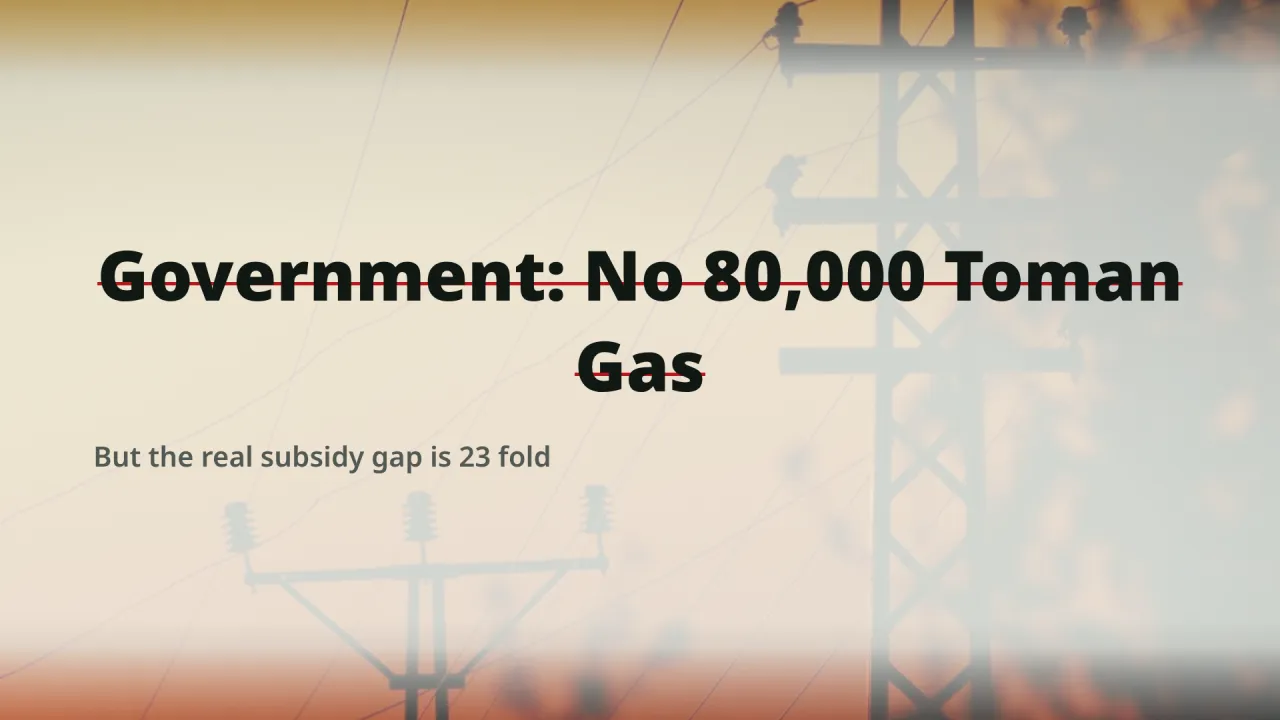
Under Iran's subsidy system, households are grouped into 10 income "deciles": the first decile is the lowest earning group and the tenth the highest earning. Because higher income households typically own more cars and use more fuel, they capture a larger share of the implicit gasoline subsidy, the gap between the domestic and world price; Aref said this mechanism produces the 23 fold gap between the two ends of the income spectrum. Pointing to the "several billion dollar" annual cost of subsidized gasoline to the country, he described gasoline as part of the "national wealth belonging to future generations." He said normal domestic gasoline production runs around 110 million liters a day and can reach 125 million liters under some conditions, while consumption during last year's 12 day war exceeded 150 million liters a day. Mohajerani, in response, stressed that no new price or pricing pattern has been approved so far and that any final decision must be announced to the public "transparently and directly." (Source: Eco Iran, citing Donya-e-Eqtesad, Sunday, August 23, 2026)