
Oil Climbs in Global Markets, on Track for Biggest Weekly Gain Since Mid July
Sep 4, 2026
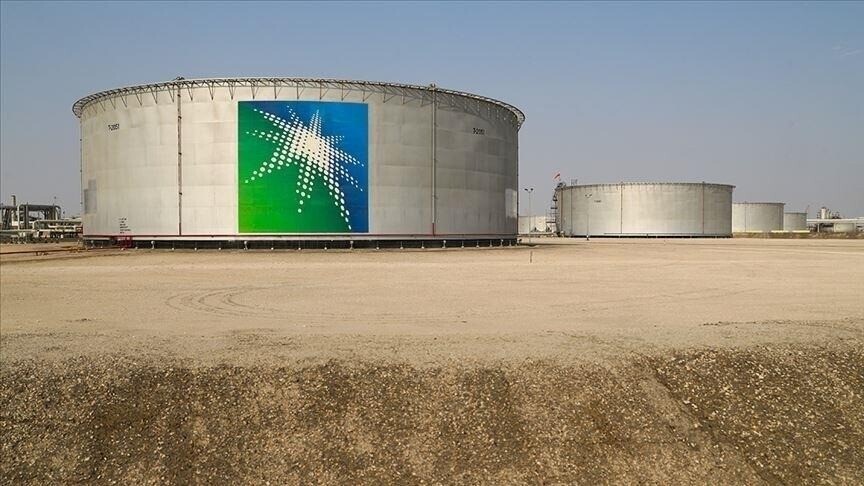
According to Boursenews, citing Reuters, oil prices rose in global trading on Friday, 13 Shahrivar 1405 (September 4, 2026); Brent crude futures gained 0.2 percent to 95.67 dollars a barrel and US West Texas Intermediate gained 0.3 percent to 91.56 dollars a barrel. Since the start of this week, Brent has risen 7.1 percent and WTI 9.8 percent, putting both on track for their biggest weekly gain since the week ending July 20, a rise linked to intensifying military tension between the United States and Iran and concern over supply risk in West Asia.
Per the Reuters report, two Iraqi energy officials said Wednesday that Iraq's oil exports rose from about 1.35 million barrels a day in July to about 2.34 million barrels a day in August. Shipping trackers Kepler, Vortexa and TankerTrackers estimate that oil flows through the Strait of Hormuz remain about 6 to 8 million barrels a day below pre war levels, a figure that contradicts a claim by US President Donald Trump that traffic has returned close to normal, near 18 million barrels a day; traders have dismissed that claim.
Source
Boursenews, citing Reuters
Related news
Average US Diesel Price Hits Record High Amid Escalating Tension in West Asia
According to Ecoiran, citing ISNA, amid intensifying disruption to global energy supply following renewed fighting in West Asia and the ongoing war in Ukraine, the average US diesel price hit a record high of 5.85 dollars a gallon on Friday, September 4, 2026 (13 Shahrivar 1405), based on data from the American Automobile Association (AAA). Per the report, given a sharp decline in diesel inventories, prices could rise further in the coming days, particularly as US farm states enter their harvest and planting season and demand for diesel increases.
Ecoiran, citing ISNA · Sep 5, 2026
Agriculture Ministry Exempts 24 Products Including Shrimp and Cucumber From Export Ban
According to Boursenews, the Agriculture Ministry's Trade Development Deputy sent the 17th list of tariff codes exempted from Iran's agricultural export ban to the Trade Development Organization, based on a letter dated 9 Shahrivar 1405 (August 31, 2026). Under the letter, 24 tariff codes covering chapters one through 24 of the export and import regulations book, including various fish and fish fillets, tilapia, shrimp, chicory, cucumber, asparagus, eggplant, various melons, palm fruit pits, rock candy, yufka bread, pizza and cold sauces, were removed from the export ban list. Following the letter, the Trade Development Organization's export and import regulations office notified Iran's Customs Administration of the list so that exports of these items would be permitted until further notice. This is the 17th such list issued as part of ongoing correspondence on exceptions to the agricultural export ban.
Boursenews · Sep 5, 2026
How Global Oil Markets Absorbed the Shock of the Strait of Hormuz Disruption
According to an Ecoiran analysis published Friday, 13 Shahrivar 1405 (September 4, 2026), disruption to shipping through the Strait of Hormuz, which before the war carried about 20 million barrels of oil a day, or 20 to 25 percent of the world's seaborne oil and gas trade, was initially seen as one of the biggest energy crises in a generation, with some forecasts warning oil prices could reach 150 to 200 dollars a barrel. Per the report, prices did cross 126 dollars a barrel but did not rise as much as those forecasts suggested. Ecoiran writes that strategic and commercial reserves covered about 9 million barrels a day of the shortfall, the International Energy Agency coordinated the release of about 400 million barrels from global stockpiles, the United States raised its own exports to a new record, and alternative Saudi and Emirati pipelines to Red Sea ports and Fujairah covered about 6 million barrels a day of the disrupted flow. China's crude oil imports also fell by about 4 to 5 million barrels a day, reaching their lowest level in roughly eight years, easing significant pressure on the global market.
Ecoiran · Sep 4, 2026
South Korea's Presidential Office Denies Reports of Troop Deployment to the Strait of Hormuz
South Korea's presidential office denied media reports on Friday, 13 Shahrivar 1405 (September 4, 2026), according to Donya-e-Eqtesad, that the country had decided to send military forces to the Strait of Hormuz, saying no such decision has been made so far. The denial came after outlets including Ecoiran had earlier reported on a plan for South Korea to deploy troops or take over minesweeping responsibility in the Strait of Hormuz, pending a vote in the country's parliament, while Al Jazeera reported Seoul was weighing a "contribution" to security in the strait under pressure from the United States. South Korea is heavily dependent on oil imports that pass through the Strait of Hormuz, and any decision on a military presence there could affect the country's energy security risk.
Donya-e-Eqtesad · Sep 4, 2026