
Turkey's central bank became the world's largest official gold seller in 2026, selling about 81 tonnes net to defend the lira
Jul 19, 2026
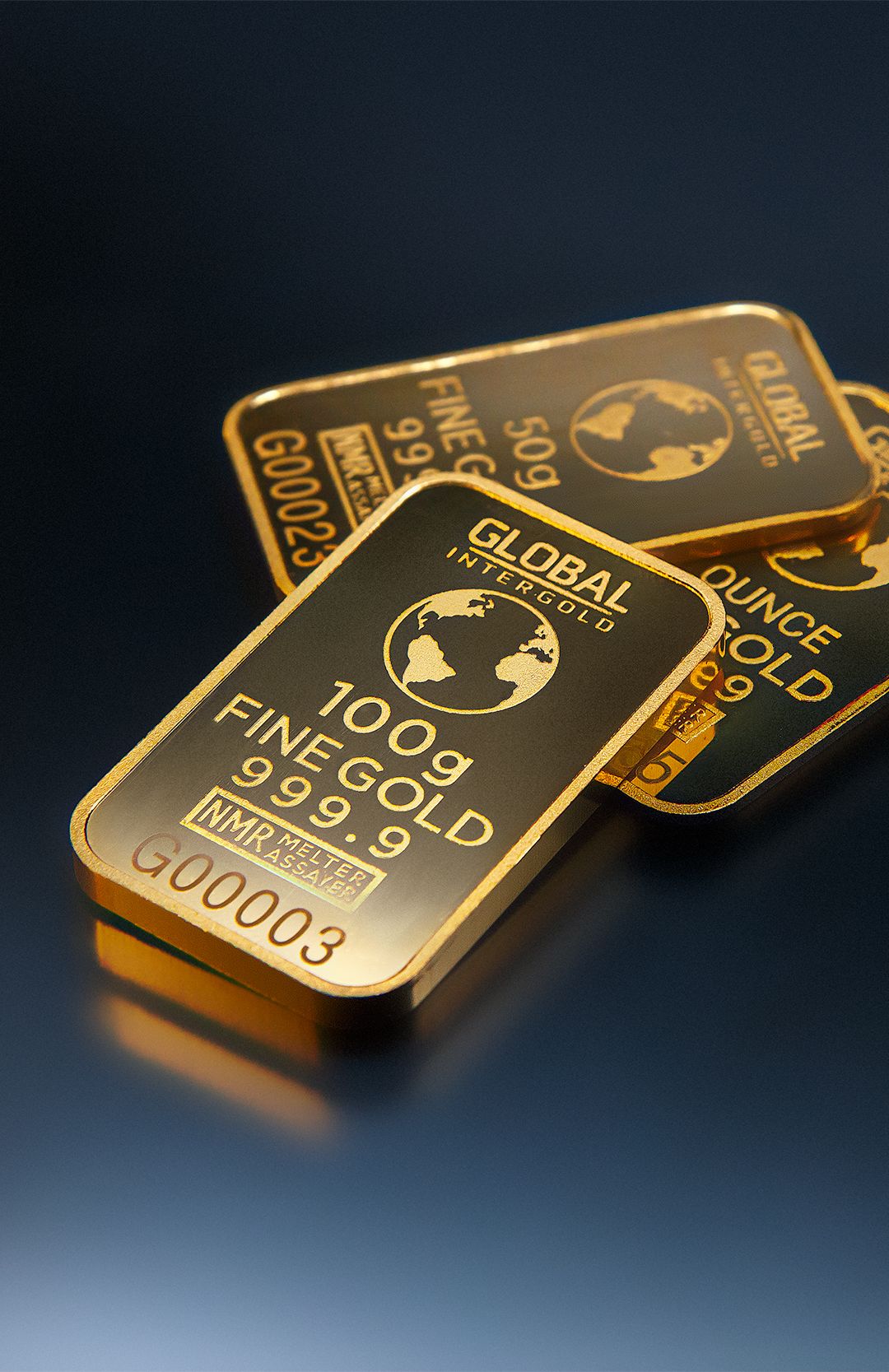
According to reports carried by Turkish media, Turkey's central bank has become the world's largest official seller of gold in 2026. Over the first five months of the year the bank sold about 81 tonnes of gold on a net basis from its reserves, using the proceeds to supply dollar liquidity and defend the lira against external shocks.
Pressure on the lira intensified after the Iran war began on February 28, 2026, and the resulting energy-price surge drove the currency to a fresh record low. The central bank first spent roughly US$26 billion of its foreign exchange reserves supporting the lira and, when that proved insufficient, turned to selling and swapping more than 127 tonnes of gold in the weeks that followed; its currency interventions peaked at close to US$60 billion.
Turkey's gold reserves had climbed to a record 823.5 tonnes in the week ending March 6 before starting to decline. The trend shows that, rather than serving as a safe haven during the war, gold became Ankara's defensive tool for containing the lira's slide. The lira is an important regional variable for Iran's market, since part of the trade and commodity pricing between the two countries is linked to it.
Source
Türkiye Today
Related news
Stronger Than Expected US Jobs Report Pushes Gold and Stocks Lower; Markets Now Watch September 11 Inflation Data
According to Ecoiran, the US Labor Department said on Friday, September 4, 2026 (13 Shahrivar 1405), that US nonfarm payrolls rose by 162,000 in August, far above the 56,000 economists polled by Reuters had expected; the unemployment rate held at 4.1 percent, and June and July payrolls were revised up by a combined 55,000. The labor force participation rate rose to 61.6 percent and annual hourly wage growth was 3.1 percent. The report boosted expectations of a Federal Reserve rate hike at its September 15 to 16 meeting, pushing the two year Treasury yield to 4.37 percent and pulling the S&P 500 down 0.4 percent; spot gold fell more than 1 percent to around 4,427 dollars an ounce and silver fell about 1.1 percent to near 66.1 dollars an ounce. Fed Chair Kevin Warsh had earlier said at Jackson Hole that the US labor market is consistent with full employment and that monetary policy should focus on inflation. Ecoiran wrote that markets are now focused on the September 11 (20 Shahrivar) US consumer price index, which could decide whether a September rate hike becomes the Fed's leading option.
Ecoiran · Sep 5, 2026
Gold Bullion Treasury Value on Iran Mercantile Exchange Tops 1,000 Trillion Tomans as Two New Silver Funds Begin Trading
According to Kalakhabar, the Iran Mercantile Exchange's official news outlet, the market value of gold bullion certificates on the exchange (equal to the gold bullion treasury's value) topped 1,000 trillion tomans for the first time as certificate trading opened on the first day of the week, Saturday, 14 Shahrivar 1405; the exchange's total commodity certificate market value also passed 1,200 trillion tomans the same day. A separate Kalakhabar report said gold funds traded more than 10 billion units worth 93.1 trillion tomans, and silver funds traded 5 billion units worth 6.1 trillion tomans, in the week ending 13 Shahrivar. The exchange's derivatives and new financial instruments management also announced that secondary trading began for two new silver investment funds, "Toranj 1" under the ticker Yas and "Padash 1" under the ticker Silva, starting Monday, 16 Shahrivar, from 11:45am to 6pm. Per the notice, trading in both funds is available online through licensed brokers, with a daily price band of 10 percent from the prior day's closing price.
Kalakhabar, IME's official news outlet · Sep 5, 2026
Dutch Central Bank Moves $10 Billion of Its Gold Reserves From the US and Canada to the UK
According to Al Jazeera, the Dutch central bank (DNB) said on Wednesday, September 2, 2026 (11 Shahrivar 1405), that it had moved part of its gold reserves from the United States and Canada to the United Kingdom to be, in the bank's words, "better prepared for severe crises." The relocated gold was valued at about 10.11 billion euros (about 11.73 billion dollars) at the end of 2025. The Netherlands holds a total of 612.4 tonnes of gold, worth about 72.2 billion euros (about 83.8 billion dollars), across four locations. Before the move, New York held 31.3 percent of the reserves, now reduced to 18.5 percent, while London's share rose from 18.1 to 32.1 percent. Al Jazeera reported the relocation came as tensions have risen between Europe and the US since the start of the US war in Iran in February this year, with President Donald Trump voicing displeasure at European allies' reluctance to join the war.
Al Jazeera · Sep 5, 2026
18 Karat Gold in Tehran Reaches 235,188,000 Rials Today, Saturday
According to Ecoiran, gold and coin prices in Tehran's market were announced today, Saturday, 14 Shahrivar 1405 (September 5, 2026). Per the report, 18 karat (750) gold reached 235,188,000 rials a gram and 24 karat gold reached 313,582,000 rials, while one mesghal of gold was priced at 1,018,820,000 rials. Global spot gold was quoted in the same report at 4,477.38 dollars an ounce. In the coin market, the single Emami coin traded at 2,349,900,000 rials and the Bahar Azadi coin at 2,313,400,000 rials. Sahmino's own price data shows 18 karat gold at the exact same figure, 235,188,000 rials, at the same hours. Iran's official currency and gold market is closed on Thursdays and Fridays, so today's rates are the first official rates since the weekend.
Ecoiran · Sep 5, 2026