
With the Strait of Hormuz shut, Russia's oil revenue swells further from the Iran crisis
Jul 19, 2026
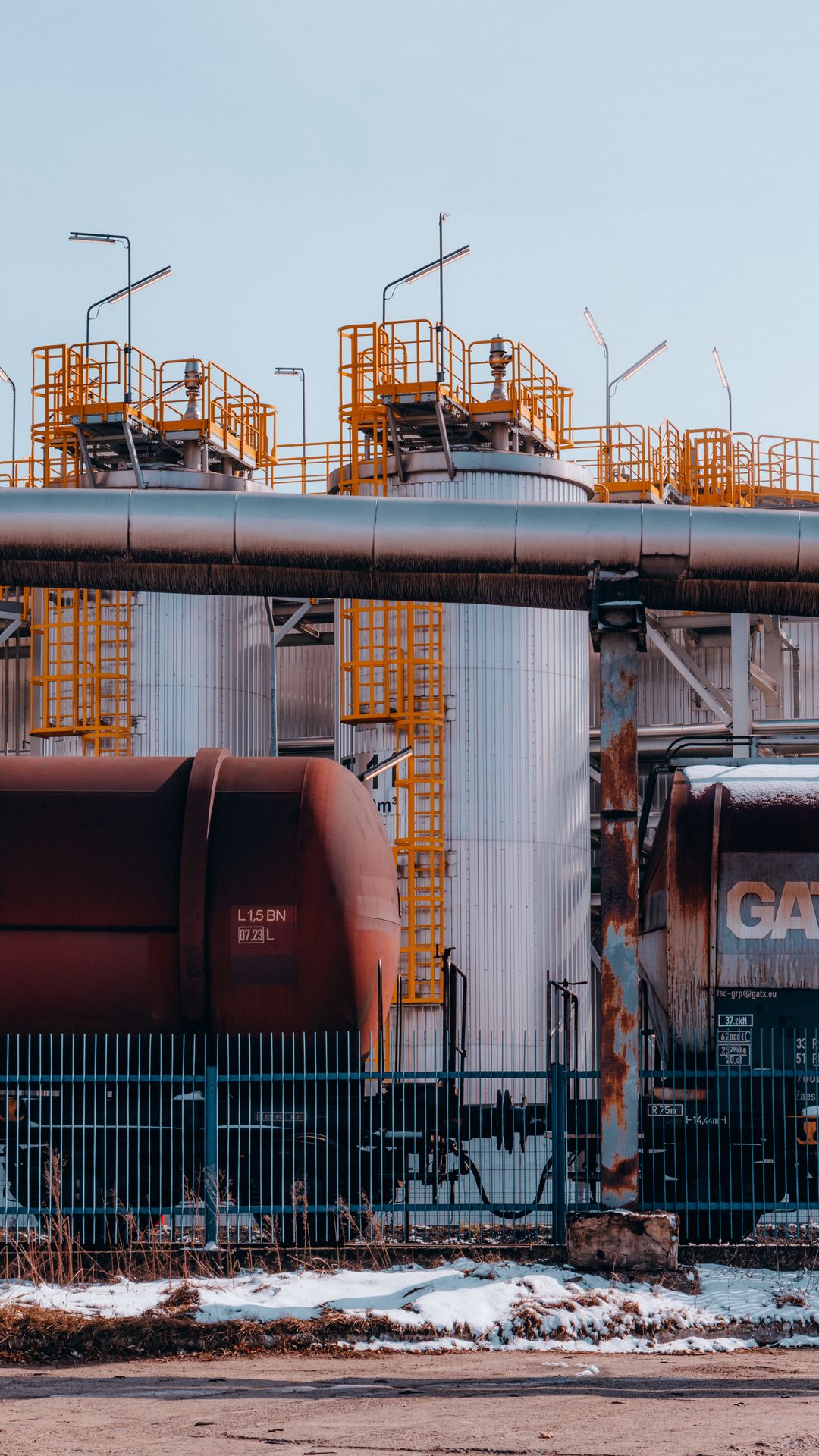
With the Strait of Hormuz shut and regional oil exports disrupted, Russia's Urals crude has become more attractive to buyers, boosting Moscow's oil revenue. The Bruegel think tank estimated that Russia's oil and gas revenues carried a windfall of about 1,184 billion rubles (close to 13.5 billion euros) tied to the Iran war over March to June 2026.
That windfall had narrowed after the 14 June ceasefire memorandum and a temporary drop in prices, but with hostilities resuming in July and tanker transits through Hormuz halting again, analysts say the premium on Russian oil exports has widened once more.
Russia is one of the alternative suppliers profiting from the Hormuz-driven rise in oil prices.
Source
OilPrice
Related news
FAO Global Food Price Index Hits Highest Level Since November 2022 in August
The UN Food and Agriculture Organization's (FAO) Food Price Index rose to 133.3 points in August 2026, its highest level since November 2022. According to Ecoiran, intensifying climate risks and disruptions to global trade routes were cited as the main drivers of the increase. A rise in the global food price index can raise the cost of importing staple goods for countries such as Iran and add to domestic food inflation.
Ecoiran · Sep 5, 2026
Baltic Dry Index Hits Five-Year High, Up 13.9% on the Week Amid Strong Iron Ore and Coal Demand
The Baltic Dry Index, the global benchmark for dry bulk shipping costs, extended its rally for a third straight session on Friday, September 4, 2026 (13 Shahrivar 1405), rising 4 percent from the previous day to 3,628 points, its highest level since October 2021. Per Trading Economics data, the index has gained 13.9 percent over the past week. Its capesize sub-index, which mainly covers vessels carrying up to 150,000 tonnes of iron ore or coal, jumped 6.4 percent to 6,427 points, its highest since December 2023. The report attributed the surge in shipping rates to strong demand for commodities such as iron ore and coal, combined with tight vessel supply and longer shipping routes caused by geopolitical disruptions. The Baltic Dry Index's all time high remains 11,793 points, set in May 2008. Higher dry bulk shipping costs also affect the cost of exporting metal and mining products, including Iranian steel.
Trading Economics · Sep 5, 2026
CENTCOM Says US Destroyed One Iranian Tanker, Disabled Two Others in Response to Missile Fire at US Warships
US Central Command (CENTCOM) said on Saturday, September 5, 2026 (14 Shahrivar 1405), that American forces struck three Iranian oil tankers in the Gulf of Oman and near Kharg Island, destroying one outright and disabling two others. CENTCOM described the strikes as a response to ballistic missiles it said Iran's Islamic Revolutionary Guard Corps (IRGC) fired at a US aircraft carrier and a guided missile destroyer in regional waters, claiming both American vessels evaded the attack with no casualties. This account comes from CENTCOM alone; Iran's side had not issued an official statement on the alleged missile launch at US warships at the time of writing. CENTCOM commander Admiral Brad Cooper said in a statement: "Let the message to the IRGC be clear: If you shoot at two of our ships, we will impose an even higher economic cost, taking out three of yours." According to Al Jazeera, the US described the tankers as part of a multibillion dollar network financing the IRGC and its regional proxies. Al Jazeera also reported that the six month old conflict has killed 18 US service members so far, and that negotiations to end it have collapsed. Iran's free market dollar rate in Tehran topped 227,000 tomans as the news spread today, while the Tehran Stock Exchange's main index (TEDPIX) rose more than 1.5 percent.
Al Jazeera · Sep 5, 2026
Iranian Tanker Near Kharg Island Struck by 4 US Projectiles
According to Tasnim, carried by Donya-e-Eqtesad, a small Iranian tanker was struck by a US military missile attack near Kharg Island's anchorage, about six miles from the island, on the morning of Saturday, September 5, 2026 (14 Shahrivar 1405). Per the report, the vessel was hit by 4 projectiles fired by US forces, and several explosions were heard from the direction of the Persian Gulf and Kharg Island shortly before the report was published. Local sources said the incident caused no casualties and that the tanker's crew were evacuating the vessel. Daneshjoo News Agency, carried by Khabaronline, confirmed the incident by publishing images of the struck tanker and of Kharg Island's condition afterward. Kharg Island is Iran's main crude oil export terminal, and prior reports estimate roughly 90 percent of the country's crude exports are loaded there, so any incident in the area can affect oil and currency markets. Further details on the extent of damage have not yet been released by responsible authorities.
Tasnim, citing Tasnim, via Donya-e-Eqtesad · Sep 5, 2026