
A reader asked us: the bourse has been red for eight days. Buy gold and dollars, or hunt for war-resistant stocks?
On Saturday 27 Tir 1405 (18 July 2026) the Tehran Stock Exchange main index fell 2.44% for its eighth straight red session, the same day the free-market dollar hit a record near 194,500 tomans. A reader asked: should I pull my money out of stocks and buy gold and dollars, or stay in the bourse and look for war-resistant shares? Sahmino's neutral framework for the dilemma, with dated figures and the intra-bourse divergence signal. This is not buy or sell advice.
Transcript
Tehran's bourse has been red for eight straight days; but gold or stocks is the wrong question. A reader asked: should I leave stocks for gold and dollars, or stay in the bourse? On Saturday, July eighteenth, the main index fell two point four four percent, its eighth red day. The same day the free-market dollar hit a record near one hundred ninety four thousand tomans, and gold jumped. In war, money flees productive assets for portable gold and dollars. Last year, eighteen carat gold returned about one hundred twenty percent while the bourse lagged inflation. But a haven is not always safe; the Emami coin premium jumped about thirty six percent on the blockade day. Inside the bourse, export stocks like National Iranian Copper are a dollar anchor for shareholders. But resistant is not immune; dozens of large names stayed suspended for months after the war. A subtle signal: on the day of acute fear, the main index fell faster than the equal weight index. So gold or stocks is a false dilemma; you can actually hold both at once. Three traps lie in wait: panic selling, buying at the premium peak, and the nominal anchor. A forty percent gain in nearly sixty percent inflation is not profit; it is a real loss. Watch five signals: market divergence, the coin premium, talks, monetary policy, and company reports. Full analysis on Sahmino dot com; do you think dollar stocks shield you in war, or fall too? Comment below.
Related videos
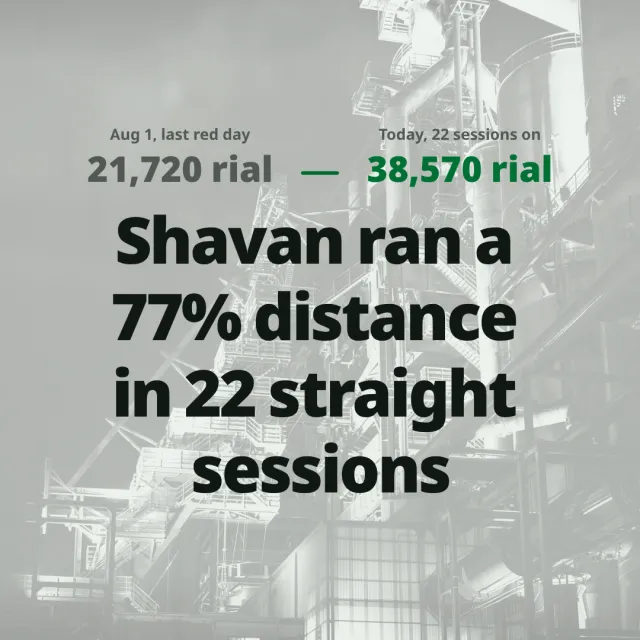 01:21Short
Shavan Shares Rose 77.6% Over 22 Straight Sessions While Quarterly Profit Fell 90% (Saturday, September 5, 2026)
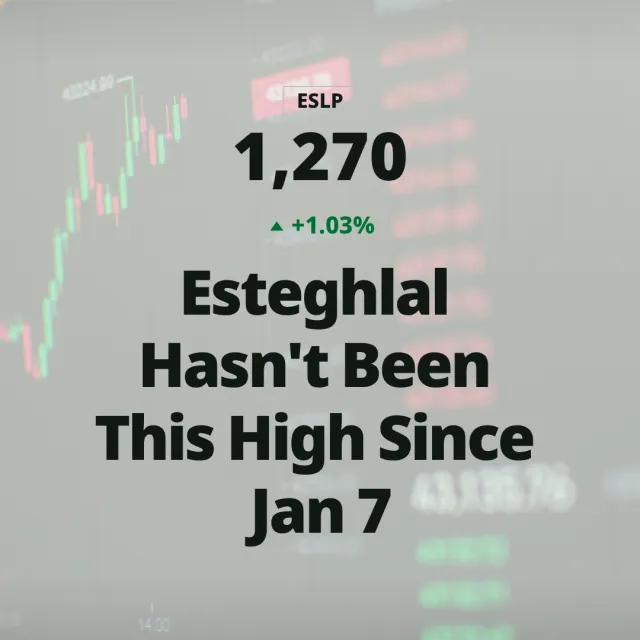 01:15Short
Sports Ministry Fully Exits Esteghlal Football Club's Shareholder Register; Its 3.1% Stake Lands at a Persian Gulf Financial Group as the Stock Hits an Eight-Month High (Wednesday, September 2, 2026)
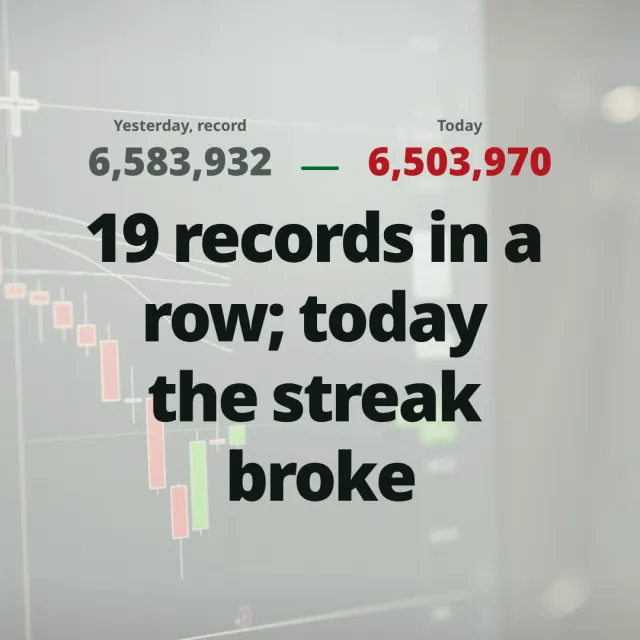 01:12Short
Tehran's TEDPIX Falls 1.21% Today, Wednesday, Ending a Rally of At Least 19 Straight Gaining Sessions (September 2, 2026)
 01:02Short