
BAMA Under the Lens: Bama Mining's Net Profit Roughly Quadrupled in a Year, But Why the Quality of That Jump Matters More Than the Number (Tuesday, July 14, 2026)
A reader asked what we think of BAMA. Net profit at Bama Mining & Industrial rose from roughly 422 to about 1,597 billion tomans, nearly a fourfold jump in a year. But much of it came from FX-translation gains and higher global zinc prices, not more output, output volume actually fell around 6 percent. A neutral look at a profitable but cyclical, dollar-linked miner (as of Tuesday, July 14, 2026). Educational, not buy or sell advice.
Transcript
A reader asked what we think of BAMA; we looked at it neutrally, with official data. BAMA is the ticker of Bama Mining, one of Iran's oldest lead and zinc producers. Its net profit in fiscal fourteen oh three reached about one thousand six hundred billion tomans, nearly four times. Bama has over seventy years of history and more than ninety percent of its sales are exports. The trend shows it: from three hundred thirty-nine, to four hundred twenty-two, to sixteen hundred billion tomans. But here is the catch: output fell about six percent and sales volume about thirteen percent. So much of that profit came from FX translation, a paper gain from a rising dollar that does not repeat. Global zinc-concentrate prices rose over one hundred percent; higher prices drove sales, not more output. BAMA trades near two thousand eight hundred fifty-nine rials, with a market cap around twelve thousand billion tomans. Because its revenue is export-based, BAMA is a cyclical, dollar-linked stock, not buy-and-forget. Its price hangs on three things: the dollar rate, global zinc and lead prices, and domestic policy. One key update: a capital increase is underway; check its funding source in the Codal report. Another risk is summer power rationing, which the company says affects its output. So watch the share of operating profit and the capital-increase terms, more than the headline number. Do you count FX-translation gains as real profit? Tell us what you think.
Related videos
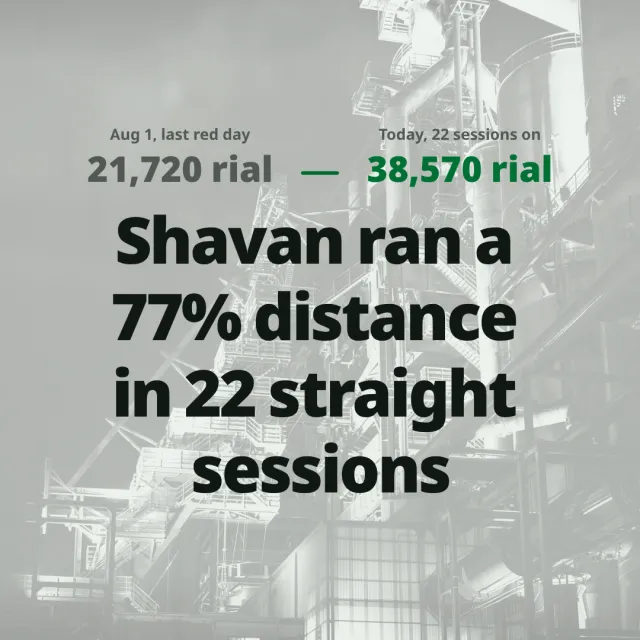 01:21Short
Shavan Shares Rose 77.6% Over 22 Straight Sessions While Quarterly Profit Fell 90% (Saturday, September 5, 2026)
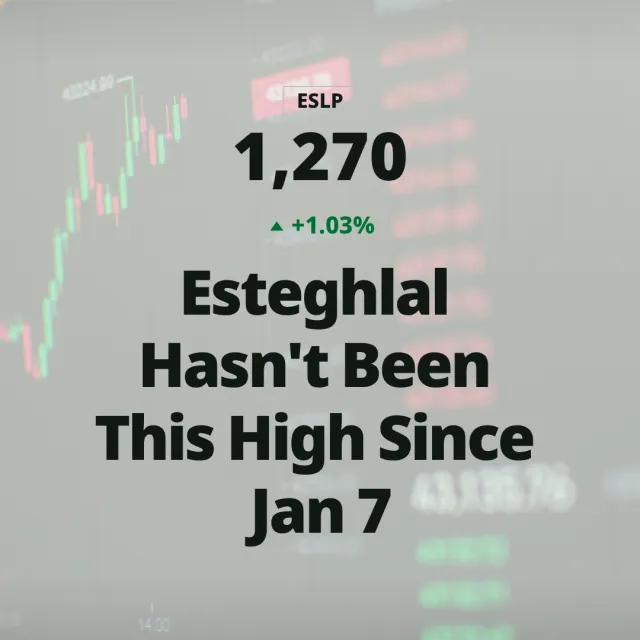 01:15Short
Sports Ministry Fully Exits Esteghlal Football Club's Shareholder Register; Its 3.1% Stake Lands at a Persian Gulf Financial Group as the Stock Hits an Eight-Month High (Wednesday, September 2, 2026)
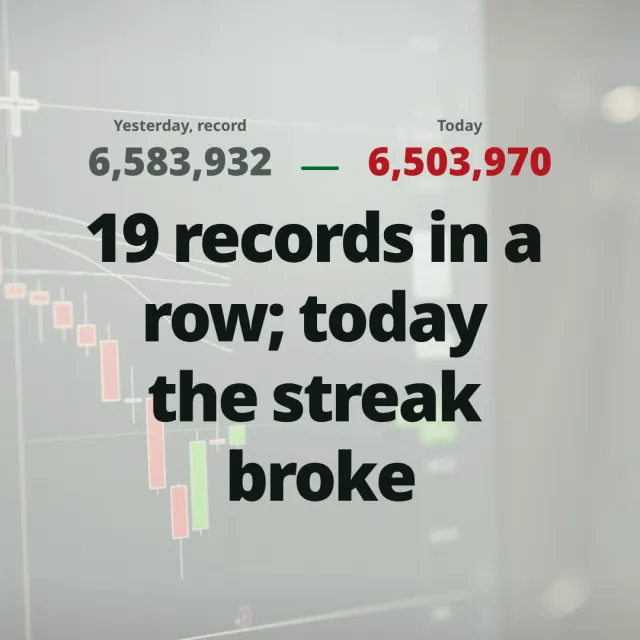 01:12Short
Tehran's TEDPIX Falls 1.21% Today, Wednesday, Ending a Rally of At Least 19 Straight Gaining Sessions (September 2, 2026)
 01:02Short