
Melted Gold or the Emami Coin? A Technical Guide to Preserving Value in Iran's Inflationary Economy
Melted gold and the Emami coin are both gold, yet one carries a near-zero premium and the other a volatile one. Per Sahmino's price feed on Saturday night, 27 Tir 1405 (18 July 2026), the Emami coin's premium was about 6 million tomans (near 3.3 percent) while melted gold's was only about 238 thousand tomans (near 0.3 percent). A technical guide to comparing the two for preserving value against inflation, with no buy or sell advice.
Transcript
Melted gold or the coin? One premium is six million tomans, the other only two hundred thirty-eight thousand. Gold is not one thing; these two forms differ sharply in premium, risk and behavior. On Saturday night, the eighteenth of July, the coin premium was six million tomans and dropped nineteen percent. One gram of eighteen-karat gold is near nineteen million, and a mithqal of melted gold about eighty-two million tomans. Melted gold's premium is almost zero, a homogeneous nameless commodity with unlimited supply. But only the Central Bank mints the coin, and ceremonial and derivative demand build its premium. The coin's intrinsic value equals the price per gram of eighteen-karat gold times nine point seven six. Over the past five years both instruments rose nearly eighteen fold, almost equally. But most of that gain reflects the rial's collapse, not real growth in gold. In the winter of fourteen oh three, the coin premium drained about thirty-six percent in a single day. Melted gold is transparent and low premium; the coin is more standardized but its premium swings. When buying, take the official invoice, the assay and stamp, and the coin's mint date seriously. A gold fund removes authenticity and storage risk, but the units can form a premium of their own. Track the coin to melted premium ratio and the dollar rate on Sahmino's price pages. Read the full analysis on Sahmino.com; which would you pick, melted gold or the coin? Comment below.
Related videos
 01:11Short
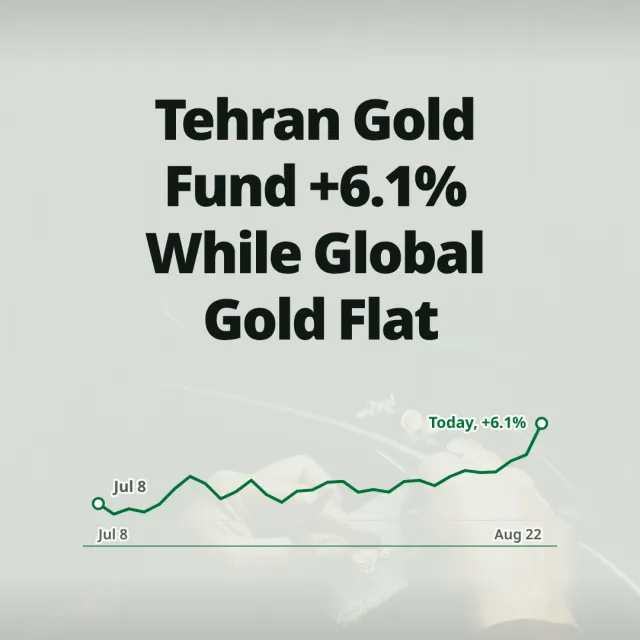
Tehran's Gold and Silver Funds Jumped Up to 6.1% Today While Global Bullion Barely Moved (Saturday, August 22, 2026)
 01:27Short
Global Gold Jumps Nearly 4% to a Two-and-a-Half-Month High; Tehran's Coin and Free-Market Dollar Rise Together (Wednesday, August 19, 2026)
 01:30Short
One Ounce of Gold in the World; Two Numbers That Set Its Price in Iran
 01:14Short