
Portfolio Risk Management, From Time Horizon to Scenario Planning and Rebalancing
Time horizon sets how much risk an investor can take, scenario planning shows what a portfolio does under stress, and rebalancing restores it to target weights. This educational, non-prescriptive lesson walks through all three with a real, dated Tehran Stock Exchange example.
Transcript
Portfolio risk management is not just guessing when a correction hits; it is horizon, scenario, and rebalancing Today you get three tools: time horizon, scenario planning, and rebalancing Horizon means when you yourself need the money, not a guess about when the market corrects Foolad sits neither at the bottom nor the top of its one year range, somewhere in the middle Every portfolio needs three paths written down: a base case, a real negative, and a positive If Foolad reached its one year high, that would be a gain of roughly thirty three percent That single move alone would push Foolad's weight to nearly thirteen percent of the portfolio Tehran's benchmark index climbed nearly eighteen percent in just three weeks A portfolio holding cash saw its stock exposure rise with no decision at all Even among big companies, thirty day volatility is far from equal Tehran's exchange has two structural limits, daily price bands and buy or sell queues Three common mistakes, confusing horizon with mood, one scenario only, and emotional rebalancing A bad scenario should assume an immediate full sale is simply not possible Foolad's risk card shows a price to earnings near five, and volatility near thirty four percent Rebalancing means executing the rule you already wrote, not reacting to fear The takeaway in three lines, horizon, scenario, and rebalancing Now you have the answer, being ready beats predicting. A new Sahmino lesson lands every day
Related videos
 01:29Short
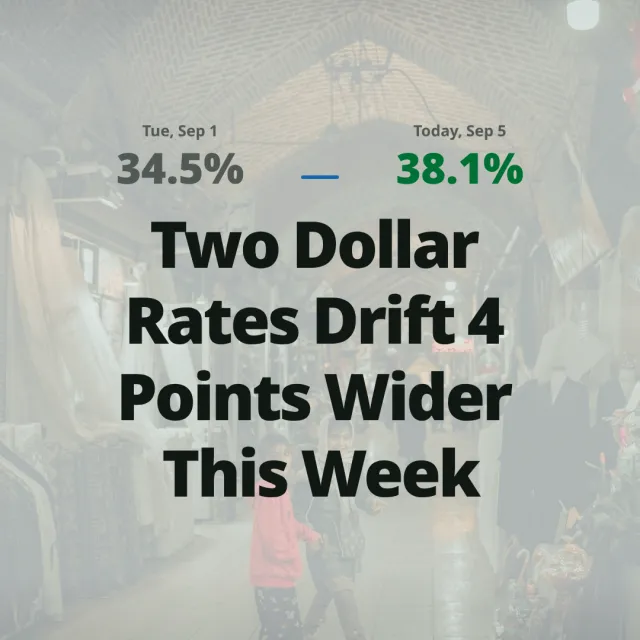
Iran's Two Dollar Rates Drift 4 Points Wider This Week as TEDPIX Ends Its 20-Session Rally in the Red; Market Pulse, Saturday, September 5, 2026
 01:08Short
Two Tankers Struck in Hormuz, US Promises New Bank Sanctions; Dollar Climbs Past Record; Iran Market Pulse, Sep 2, 2026; TEDPIX Sets Record
 01:20Short
The Neighbors' Markets: How Does Iran Connect to the Persian Gulf, Iraq, the Caucasus and Central Asia?
 01:17Short