
Risk and Return: How Are They Related, and Which Risks Threaten a Household's Savings?
Transcript
Let's look together at why, in the world of money, no high return ever comes truly risk-free. In this lesson we learn, simply and step by step, the risk-return link and three key household risks. Because a promise of a high, risk-free profit is almost always a hidden warning, not a real chance. Return means how many percent your money grew or shrank over a given period of time. Risk is the uncertainty of the outcome; you don't know in advance what your actual return will be. We measure volatility with a tool called standard deviation; the bigger it is, the more the risk. The core rule is this: to expect a higher return, you have to accept a greater amount of risk. Imagine a deposit paying a calm twenty percent, versus a fund up fifty percent or down thirty percent. Volatility risk means your asset's value can swing sharply up and down over the short term. Liquidity risk means that right when you need the money, you cannot sell at a fair price. Say inflation is forty percent and your deposit pays twenty; about fourteen percent of purchasing power is lost. On the Tehran exchange, the daily price limit creates buy and sell queues that lock up trading on tense days. Selling a home can take months, and high inflation slowly melts away your idle, uninvested money. A common mistake is treating safe as a deposit while ignoring inflation risk completely. Another mistake is chasing past returns and confusing a big profit with real investing skill. Our goal is not to erase risk entirely; it is to understand risk and accept it knowingly. The full lesson is waiting for you on Sahmino; save this one and review it once more later.
Related videos
 01:29Short
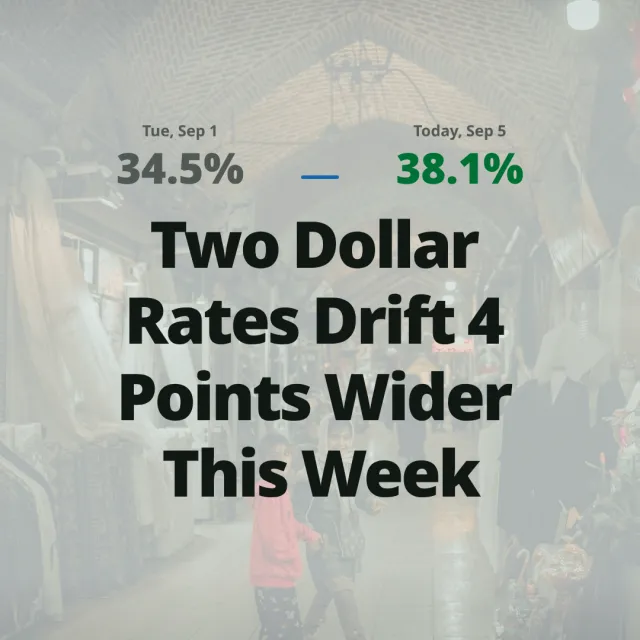
Iran's Two Dollar Rates Drift 4 Points Wider This Week as TEDPIX Ends Its 20-Session Rally in the Red; Market Pulse, Saturday, September 5, 2026
 01:08Short
Two Tankers Struck in Hormuz, US Promises New Bank Sanctions; Dollar Climbs Past Record; Iran Market Pulse, Sep 2, 2026; TEDPIX Sets Record
 01:20Short
The Neighbors' Markets: How Does Iran Connect to the Persian Gulf, Iraq, the Caucasus and Central Asia?
 01:17Short