
What Is Bank Deposit Interest? Nominal, Effective, and Real Returns Explained
Learn the difference between nominal, effective, and real interest on a bank deposit, and why comparing a deposit's return to the period's inflation rate gives a truer picture of what happens to a saver's purchasing power.
Transcript
The interest rate printed on a deposit contract is not the return you actually keep. Today we learn how nominal, effective, and real interest on a deposit differ. Because earning interest does not always mean your purchasing power went up. The nominal rate is simply the percentage a bank states in the contract. The effective rate accounts for how often interest compounds back into the principal. The real rate is what is left once inflation's effect is stripped out. The more often interest is paid during the year, the higher the effective rate climbs. To find the real rate, compare the effective rate with inflation over the same period. Suppose a deposit pays a nominal rate of twenty four percent, credited monthly. In this hypothetical, two hundred million tomans grows to about two hundred fifty four million. In Iran, the Money and Credit Council sets the ceiling on nominal deposit rates. Short term deposits are more liquid, while long term deposits carry a higher nominal rate. One common mistake is comparing deposits by nominal rate alone, ignoring payout frequency. Another mistake is assuming any positive interest automatically means savings grew in value. Nominal, effective, and real interest are three different layers of the very same number. The full, detailed lesson is available now on Sahmino.
Related videos
 01:42Short
How Is Inflation Measured? The Consumer Price Index and Why Iran's Statistics Center and Central Bank Differ
 01:29Short
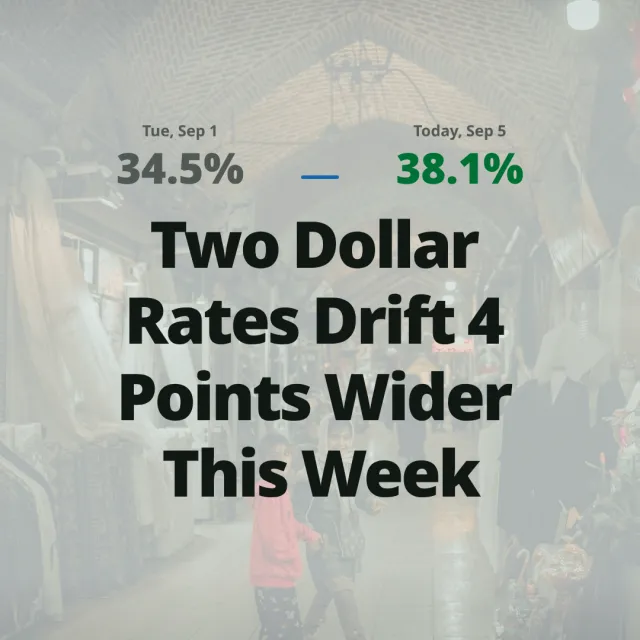
Iran's Two Dollar Rates Drift 4 Points Wider This Week as TEDPIX Ends Its 20-Session Rally in the Red; Market Pulse, Saturday, September 5, 2026
 01:08Short
Two Tankers Struck in Hormuz, US Promises New Bank Sanctions; Dollar Climbs Past Record; Iran Market Pulse, Sep 2, 2026; TEDPIX Sets Record
 01:20Short