
What Is Liquidity, and Why Selling a House Differs From Selling Gold
Learn what liquidity means, why one asset converts to cash quickly and near a fair price while another does not, and how to weigh the hidden cost of not being liquid. We walk the liquidity spectrum of an Iranian household's assets, from deposits and gold to housing, with clearly labelled hypothetical figures.
Transcript
Hi. Today on Sahmino Academy we take on a simple but vital idea: liquidity. We learn what liquidity is and why selling a house differs from selling gold. Sometimes you own a lot, yet have little cash for an urgent need. Liquidity means how fast, and how cheaply, an asset turns into cash near fair value. The buy price is usually a bit above the sell price; that gap is the spread. There are also transaction costs: fees, taxes, charges, and time spent finding a buyer. Three things matter: market depth, how standardised the asset is, and settlement time and cost. Suppose two people hold equal assets, one in coins, one in an apartment, both suddenly needing cash. The coin holder sells the same day at a small spread; the home seller must discount for speed. So the value on paper is not the same as money that arrives quickly. In Iran, bank deposits and cash are the most liquid; withdrawal is almost instant. Stocks are usually liquid, but a sell queue can freeze a share's liquidity for days. Gold and coins trade actively, but count the spread, the making charge, and the coin premium. Housing is usually the least liquid asset; a sale takes months and costs a lot. Remember, volatility is not liquidity; a stock can swing yet still sell fast. Always keep some liquid assets, so an urgent need never forces a bad sale. So beside return and risk, ask: how fast and cheaply can I sell tomorrow? The full lesson is on Sahmino.com; got a question? Drop a comment below this video.
Related videos
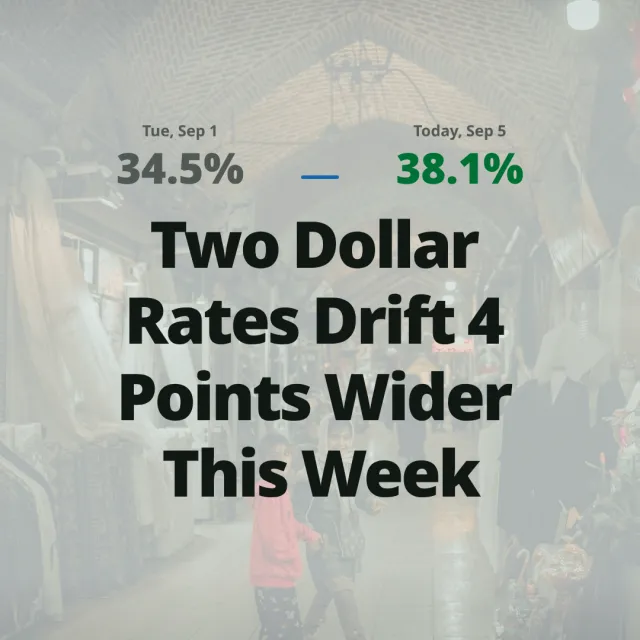 01:29Short
Iran's Two Dollar Rates Drift 4 Points Wider This Week as TEDPIX Ends Its 20-Session Rally in the Red; Market Pulse, Saturday, September 5, 2026
 01:08Short
Two Tankers Struck in Hormuz, US Promises New Bank Sanctions; Dollar Climbs Past Record; Iran Market Pulse, Sep 2, 2026; TEDPIX Sets Record
 01:20Short
The Neighbors' Markets: How Does Iran Connect to the Persian Gulf, Iraq, the Caucasus and Central Asia?
 01:17Short