
Learn what a market actually is, how supply and demand jointly shape a price, and why expectations, whether in Iran's free currency market or its coin market, can move a price even before supply or demand truly changes.
Transcript
Today we learn what a market is and how prices are discovered within it. In this lesson we cover supply, demand, and price discovery through simple examples. Understanding this concept helps us make sense of daily price swings we see. A market is any space where a buyer and a seller trade a good together. Supply means how much sellers are willing to sell at each price level. Demand means how much buyers are willing to buy at each price level. Where these two meet, the market's equilibrium price takes shape. This balance is not permanent, it gets rediscovered with every new trade. The third driver is expectations, what people believe about tomorrow can move price today. For example, suppose hypothetical news pushes the dollar from one hundred thousand to one hundred two thousand tomans. In Iran's free currency market, the dollar's price comes from real trades at licensed exchanges. In the coin market, Central Bank auctions and pre sales can shift available supply. One common mistake is assuming a single institution alone sets the price. Another mistake is thinking only real supply or demand changes move the price. In short, markets continuously discover price out of supply, demand, and expectations. Read the full lesson on Sahmino.
Related videos
 01:26Short
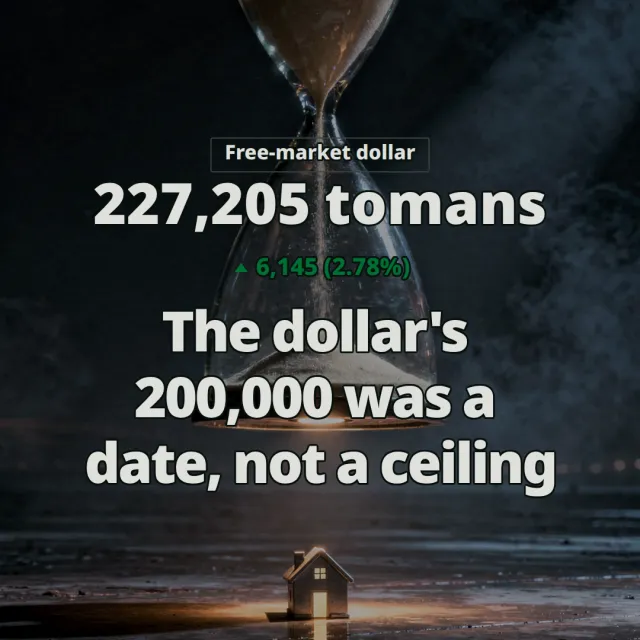
From 1 Shahrivar to today the free dollar rose 27,305 tomans and the last rate below 200,000 was set that day; Iran Market Pulse, Sunday, September 6, 2026, and TEDPIX set a record past 6.6 million units
 01:42Short
How Is Inflation Measured? The Consumer Price Index and Why Iran's Statistics Center and Central Bank Differ
 01:29Short
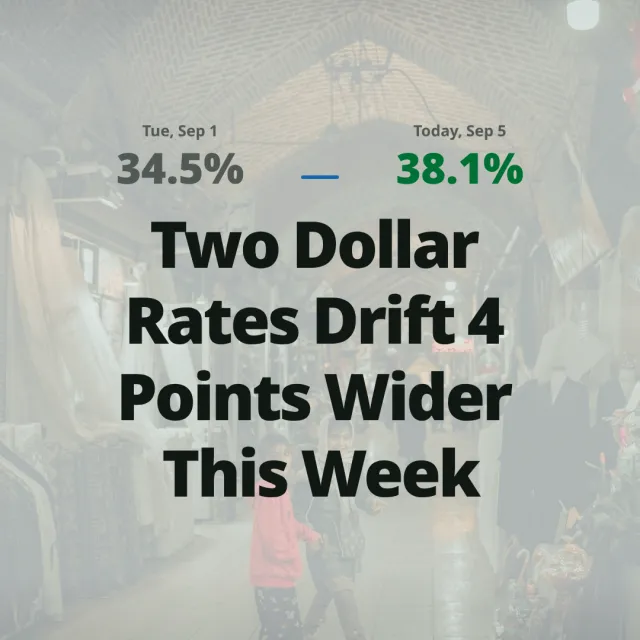
Iran's Two Dollar Rates Drift 4 Points Wider This Week as TEDPIX Ends Its 20-Session Rally in the Red; Market Pulse, Saturday, September 5, 2026
 01:08Short