
Sahmino
Back to articles
AnalysisStocks

Shatran: the IPO that Returned 11X After a 7 Month Halt, From 7,500 to 83,000 Toman (Wed, Sep 30, 2026)

On October 10, 2012, Tehran Oil Refining (Shatran) listed on Iran Fara Bourse at a discovered price of 7,500 toman a share. About 7 months later, on April 30, 2013, it reopened near 83,000 toman, roughly 11 times the offer price. This report traces that IPO, why the reopening price reset happened, how it differs from a buy call, and Rasad desk's current reading on the symbol itself today.

Sahmino editorialSep 30, 20267 min read
Related video

Also posted on:Instagram
Watch the full video
Shatran, the ticker for Tehran Oil Refining, produced one of the most talked-about IPOs in Iranian stock market history: on October 10, 2012 (19 Mehr 1391) it listed on Iran Fara Bourse at a discovered price of 7,500 toman a share, and after roughly 7 months of trading halt, it reopened on April 30, 2013 (10 Ordibehesht 1392) near 83,000 toman, about 11 times the offer price, a number many market participants at the time reportedly found hard to believe. That jump was not just the excitement of trading resuming; it combined a long halt, a revised profitability estimate, and fresh price discovery.

Background

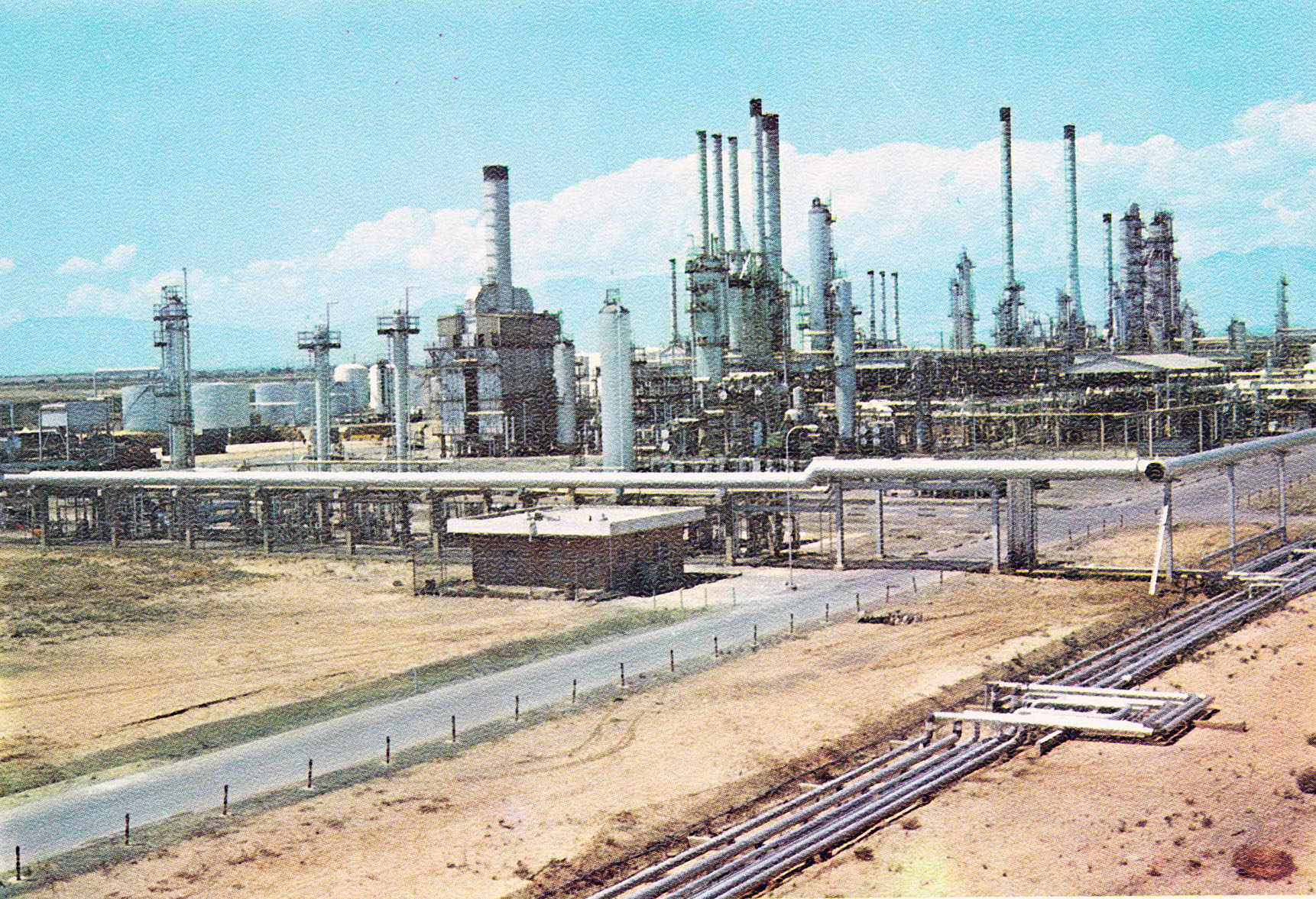
The Tehran refinery has operated since 1967 (1346), and today refines close to 250,000 barrels of crude oil a day. Tehran Oil Refining Company was incorporated as a private joint-stock company in 1998 (1377) and registered with Iran Fara Bourse in December 2011 (Dey 1390); its public offering followed in October 2012 (Mehr 1391). At the time, a small slice of this large refiner's shares went to the public for the first time: about 3,061,000 shares, close to 5 percent of the company's capital then, at a discovered price of 7,500 toman each. That made Shatran one of the most expensive IPOs Iran Fara Bourse had seen at the time. The company later moved from Iran Fara Bourse to the Tehran Stock Exchange's second board in November 2016 (Aban 1395), the same board it trades on today.

Key numbers

  • IPO date: October 10, 2012 (19 Mehr 1391)
  • Discovered offer price: 7,500 toman a share
  • Shares offered: about 3,061,000 shares (close to 5 percent of capital at the time)
  • Halt duration: about 7 months
  • Reopening date: April 30, 2013 (10 Ordibehesht 1392)
  • Discovered reopening price: near 83,000 toman
  • Reopening-to-offer ratio: about 11 times (close to a 1,000 percent move; one of the sources this report drew on mislabels the same move as a "600 percent" gain, which does not match its own two reference prices)
  • Illustration: a trading code holding 30 Shatran shares paid about 225,000 toman at the IPO; at the reopening's discovered price, those same 30 shares were worth close to 2,490,000 toman

Drivers

Through those seven halted months, Shatran had no trading at all, but the company behind it kept moving. 1391 (2012 to 2013) was a year of a sharp free-market currency jump for Iran's economy; sanctions put heavy pressure on the FX market. For a refiner like Shatran, where crude oil purchases make up more than 95 percent of cost of sales, the exchange rate used for FX translation feeds straight into asset values, costs and, ultimately, the earnings-per-share estimate. In plain terms, the price discovered on April 30, 2013 was not simply the excitement of resumed trading; the market repriced the stock on fresh information and revised profitability estimates.

That is why the more accurate description is "Shatran's reopening price was about 11 times its IPO price," not "Shatran rose 11 times," a distinction between a base-price reset after a long halt and the realized return of a day-to-day trader, since no trading happened at all during those seven months. The sources available for this piece only confirm the discovered price on reopening day; the exact highest order posted on that session's board, separate from the final traded price, could not be confirmed and should be treated with caution.

Tehran Oil Refinery, an archival photo from the 1960s (Source: National Iranian Oil Company, Wikimedia Commons archive)

Tehran Oil Refinery, an archival photo from the 1960s (Source: National Iranian Oil Company, Wikimedia Commons archive)

Archive photo · Source: commons.wikimedia.org

Where it stands now

Shatran trades today, September 30, 2026, near a closing price of 6,690 rial with a price to earnings ratio of 5.4, on the Tehran Stock Exchange's second board, below the 6.46 sector average for petroleum products. Under interim financials for the period ending June 2026, net profit grew about 238 percent year over year. But recalling the 1391 story is not a promise it repeats: Rasad's desk, as of its September 29, 2026 session, holds an "avoid" reading on Shatran itself, targeting near 6,207 rial with an invalidation near 6,913 rial over a 10 session horizon; this type of call has hit its target 376 times out of 913 in Rasad's record so far. A stock's historic record guarantees nothing about its future price.

Bottom line

The "Shatran rose 11X" story is historically accurate, but more precisely, its reopening price on April 30, 2013 was about 11 times its 7,500 toman IPO price, the result of a seven month halt and a revised profitability estimate, not simply market excitement. Rasad's desk today, September 30, 2026, holds an avoid reading on Shatran itself, targeting near 6,207 rial with an invalidation near 6,913 rial over the next 10 sessions: a stock's brilliant past is no reason to expect it now.

What to watch

  • Shatran's monthly activity report on Codal, to gauge how feedstock and product pricing affect this quarter's profitability
  • The target and invalidation of Rasad's avoid call on Shatran, tracked in the Rasad signals surface
  • Shatran's P/E trend against the refining sector average, as examined in this forensic look at Shatran

Terms

IPO: the first time a company's shares are sold to the general public on the exchange or Fara Bourse.
Trading halt: a period in which trading in a stock is suspended by the market regulator, usually to allow disclosure or correction of material information.
Price discovery: the process by which a stock's first traded price after an offering or reopening emerges from real supply and demand.

For reading a listed company's statements carefully, see this practical Codal reading guide; and for why Shatran's reported 1404 profit diverges from its operating cash flow, read this report.

Sources

  1. Sahambin · sahambin.comTehran Oil Refining offered 3,061,000 shares on October 10, 2012 at a discovered price of 7,500 toman; after a 7 month halt, it reopened on April 30, 2013 near 83,000 toman.https://sahambin.com/1412/%D8%B3%D9%87%D8%A7%D9%85%D8%AF%D8%A7%D8%B1%D8%A7%D9%86-%D8%B4%D8%AA%D8%B1%D8%A7%D9%86-%D8%A8%D8%AE%D9%88%D8%A7%D9%86%D9%86%D8%AF-%D9%87%D9%85%D9%87-%DA%86%DB%8C%D8%B2-%D8%AF%D8%B1%D8%A8%D8%A7%D8%B1%D9%87-%D8%B4%D8%AA%D8%B1%D8%A7%D9%86Cited Sep 30, 2026
  2. Alireza Mehrabi · alirezamehrabi.comRegistered with Iran Fara Bourse in Dey 1390 (December 2011); public offering in Mehr 1391 (October 2012); moved to the TSE second board in Aban 1395 (November 2016).https://alirezamehrabi.com/saham/petroleum-products/ptehCited Sep 30, 2026
  3. Wikipedia (Persian) · WikipediaThe Tehran refinery was completed and started operating in 1346 (1967 to 1968); its refining capacity is close to 250,000 barrels a day.https://fa.wikipedia.org/wiki/%D9%BE%D8%A7%D9%84%D8%A7%DB%8C%D8%B4_%D9%86%D9%81%D8%AA_%D8%AA%D9%87%D8%B1%D8%A7%D9%86Cited Sep 30, 2026
  4. Sahmino Rasad Desk · SahminoAvoid reading on Shatran, session of September 29, 2026: target 6,207 rial, invalidation 6,913 rial, 10 session horizon, record 376 of 913.https://sahmino.com/prices/ptehCited Sep 30, 2026

Related articles