
Newsroom
Short, verified market news summaries; every item names its source and publication date.
FAO Global Food Price Index Hits Highest Level Since November 2022 in August
The UN Food and Agriculture Organization's (FAO) Food Price Index rose to 133.3 points in August 2026, its highest level since November 2022. According to Ecoiran, intensifying climate risks and disruptions to global trade routes were cited as the main drivers of the increase. A rise in the global food price index can raise the cost of importing staple goods for countries such as Iran and add to domestic food inflation.
Ecoiran

Baltic Dry Index Hits Five-Year High, Up 13.9% on the Week Amid Strong Iron Ore and Coal Demand
The Baltic Dry Index, the global benchmark for dry bulk shipping costs, extended its rally for a third straight session on Friday, September 4, 2026 (13 Shahrivar 1405), rising 4 percent from the previous day to 3,628 points, its highest level since October 2021. Per Trading Economics data, the index has gained 13.9 percent over the past week. Its capesize sub-index, which mainly covers vessels carrying up to 150,000 tonnes of iron ore or coal, jumped 6.4 percent to 6,427 points, its highest since December 2023. The report attributed the surge in shipping rates to strong demand for commodities such as iron ore and coal, combined with tight vessel supply and longer shipping routes caused by geopolitical disruptions. The Baltic Dry Index's all time high remains 11,793 points, set in May 2008. Higher dry bulk shipping costs also affect the cost of exporting metal and mining products, including Iranian steel.
Trading Economics

Oil Climbs in Global Markets, on Track for Biggest Weekly Gain Since Mid July
According to Boursenews, citing Reuters, oil prices rose in global trading on Friday, 13 Shahrivar 1405 (September 4, 2026); Brent crude futures gained 0.2 percent to 95.67 dollars a barrel and US West Texas Intermediate gained 0.3 percent to 91.56 dollars a barrel. Since the start of this week, Brent has risen 7.1 percent and WTI 9.8 percent, putting both on track for their biggest weekly gain since the week ending July 20, a rise linked to intensifying military tension between the United States and Iran and concern over supply risk in West Asia. Per the Reuters report, two Iraqi energy officials said Wednesday that Iraq's oil exports rose from about 1.35 million barrels a day in July to about 2.34 million barrels a day in August. Shipping trackers Kepler, Vortexa and TankerTrackers estimate that oil flows through the Strait of Hormuz remain about 6 to 8 million barrels a day below pre war levels, a figure that contradicts a claim by US President Donald Trump that traffic has returned close to normal, near 18 million barrels a day; traders have dismissed that claim.
Boursenews, citing Reuters
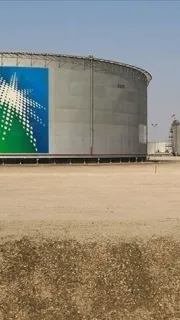
How Global Oil Markets Absorbed the Shock of the Strait of Hormuz Disruption
According to an Ecoiran analysis published Friday, 13 Shahrivar 1405 (September 4, 2026), disruption to shipping through the Strait of Hormuz, which before the war carried about 20 million barrels of oil a day, or 20 to 25 percent of the world's seaborne oil and gas trade, was initially seen as one of the biggest energy crises in a generation, with some forecasts warning oil prices could reach 150 to 200 dollars a barrel. Per the report, prices did cross 126 dollars a barrel but did not rise as much as those forecasts suggested. Ecoiran writes that strategic and commercial reserves covered about 9 million barrels a day of the shortfall, the International Energy Agency coordinated the release of about 400 million barrels from global stockpiles, the United States raised its own exports to a new record, and alternative Saudi and Emirati pipelines to Red Sea ports and Fujairah covered about 6 million barrels a day of the disrupted flow. China's crude oil imports also fell by about 4 to 5 million barrels a day, reaching their lowest level in roughly eight years, easing significant pressure on the global market.
Ecoiran
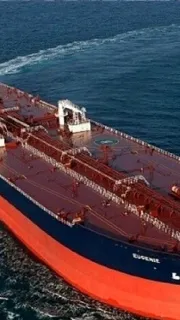
OPEC+ Likely to Keep October Oil Output Policy Unchanged
According to Bourse News, citing Reuters, three sources familiar with the matter said OPEC+ is likely to keep its October oil output policy unchanged at Sunday's meeting, as the group completed the unwinding of one layer of voluntary supply cuts this month and is now focused on 2027 quota negotiations. The meeting involves seven core members: Saudi Arabia, Russia, Iraq, Kuwait, Algeria, Kazakhstan and Oman. The report said the US military campaign against Iran continues to disrupt oil exports through the Strait of Hormuz, reducing OPEC+'s influence over prices and market share. Consultancy DeGolyer and MacNaughton is expected to deliver its review of members' production capacity, used to set 2027 quota baselines, to the group by the end of this month. Bloomberg also reported last week that Venezuela is weighing an exit from OPEC.
Bourse News, citing Reuters
Brent crude nears $95 a barrel as Iran-US tensions escalate
Global oil prices rose on the morning of Wednesday, September 2, 2026, following a fresh wave of US strikes inside Iran and Iran's military response against neighboring countries. According to Donya e Eqtesad, Brent crude in European markets reached $94.65 a barrel around 06:45 Tehran time. Oilprice.com reported Brent at $95.44, up 0.83 percent on the day, around the same time, consistent with the $95.42 reading on Sahmino's own Brent price page at 07:46 Tehran time. The increase coincided with a report from Axios that the US had struck two Iranian oil tankers, and with the continuing standoff in the Strait of Hormuz.
Donya-e-Eqtesad
Brent Crude Tops 91 Dollars as Fears of US Iran Escalation Mount
Global oil prices rose on Tuesday, 10 Shahrivar 1405 (September 1, 2026), according to Al Jazeera, on fears of escalation in West Asia following the first direct exchange of fire between the US and Iran in more than a month. Brent crude, the global benchmark, rose more than 1 percent to top 91 dollars a barrel, extending a gain of more than 2.5 percent the previous day; the November delivery Brent contract stood at 91.44 dollars a barrel as of 05:00 GMT, up from just over 88 dollars at Monday's close. Sahmino's own price data at 11:28 Tehran time that day showed Brent at 91.76 dollars, up 1.4 percent on the day. The rise came alongside US strikes on Iran's Larak Island and retaliatory Iranian attacks on two bases used by US forces in Jordan. US President Donald Trump, in a Monday Fox News interview, responded to Iran's attacks on the Jordan bases by saying the US would hit back hard. The UK Maritime Trade Operations centre also reported that a tanker crossing the Strait of Hormuz was struck by three unidentified projectiles, with no casualties reported and no group claiming responsibility. Brent has traded in the 86 to 91 dollar range since peaking at nearly 94.40 dollars on 30 Mordad (August 21). Saul Kavonic, head of energy research at MST Financial, told Al Jazeera the oil market is increasingly pricing in a protracted no war, no peace scenario, with only partial volumes flowing through the Strait of Hormuz possibly lasting well into 2027.
Al Jazeera

Russia-Ukraine War and Drought Push Global Wheat Prices Near Three-Year High
Global wheat prices have climbed toward a three-year high in recent weeks as Russia and Ukraine step up attacks on each other's Black Sea grain terminals and drought curbs output in several producing regions. According to Al Jazeera, Chicago wheat futures, the global benchmark, hit a three-year high on Friday, 5 Shahrivar (August 28), before easing 0.54 percent to $7.79 a bushel by 02:00 GMT on Monday, 9 Shahrivar (August 31). Ukraine's Ministry of Infrastructure reported 35 Russian attacks on vessels in port, 22 at sea and 67 on port facilities in July alone, compared with just 14 total vessel strikes for all of 2025. Ukraine's agriculture minister said on Friday that recent Russian air attacks had destroyed about 90 percent of retailers' food logistics infrastructure in the country. Joe Glauber, a research fellow emeritus at the International Food Policy Research Institute, told Al Jazeera the core problem is not a shortage of wheat but the cost and difficulty of moving it to buyers. Egypt, the world's largest wheat importer, sourced more than 82 percent of its wheat from Russia and Ukraine in the first half of 2026, while Indonesia, Asia's second largest importer, has had to seek alternative supplies from Bulgaria, Australia, Romania and Argentina. The rise in global wheat and grain prices is among the factors shaping food import costs and domestic inflation in countries, including Iran, that source part of their wheat needs from global markets.
Al Jazeera
Oil Tops $90 a Barrel as US and Iran Trade Fresh Strikes
Global oil prices jumped early Monday, 9 Shahrivar 1405 (August 31, 2026), in Asian trading, after US forces struck two Islamic Revolutionary Guard Corps rocket launchers on Larak Island near the Strait of Hormuz, and Iran responded by firing missiles at a US base in Jordan. According to Gulf News, citing Reuters data, Brent crude rose to $90.32 a barrel at 7:02am Tokyo time, breaking above the psychological $90 level, while US West Texas Intermediate rose to $85.41. Shortly after, at 9:20am Tokyo time, the OilPrice market dashboard showed Brent at $89.45, up 1.53 percent, and WTI at $84.57, up 1.40 percent; the UAE's flagship Murban crude posted the sharpest move, jumping more than 4 percent to $95.75, a reaction Gulf News said reflects the market's heightened sensitivity to Gulf supply and shipping risk. According to data provider Trading Economics, Brent settled at $90.45 by the end of that day's trading, up 2.67 percent, a gain that brings its rise for August as a whole to about 3 percent and for the past month to nearly 8 percent. Global oil prices matter for Iran's market in two ways: they affect government export revenue and the budget, while rising geopolitical risk tends to lift safe haven demand for gold and hard currency in the domestic market.
Gulf News, citing Reuters

Global Oil Jumps More Than 2 Percent After US-Iran Strikes Exchange Near Strait of Hormuz
According to a report published by Oilprice.com on the morning of Monday, 9 Shahrivar 1405 (August 31, 2026), West Texas Intermediate rose 2.47 percent to 85.46 dollars a barrel and Brent climbed 2.71 percent to 90.49 dollars a barrel in Asian trading that day. The jump followed Sunday's, 8 Shahrivar (August 30), US strike on two IRGC rocket launchers on Larak Island in the Strait of Hormuz, and the IRGC's retaliatory missile and drone strikes on US bases in Jordan. Per the same report, Jordan's armed forces said on Monday that its air defenses intercepted and destroyed eight missiles that entered its airspace. US Central Command said that as of August 30 (8 Shahrivar), its naval blockade of Iran had redirected 83 commercial vessels, disabled 3, and boarded 2. Oilprice.com noted both benchmarks had fallen more than 4 percent over the prior week, so Monday's roughly 2 percent gain recovered only a small part of that decline, and traffic through the Strait of Hormuz, now down to about five ships a day, remains far below pre-war levels.
Oilprice.com

Qatar Extends LNG Force Majeure Into November as Gas Prices Jump in Asia and Europe
State-owned QatarEnergy extended the force majeure on its liquefied natural gas (LNG) deliveries into early November on Friday, 7 Shahrivar 1405 (August 28, 2026), as LNG traffic through the Strait of Hormuz remains at a standstill. According to Oilprice.com's Charles Kennedy, citing Bloomberg, Asia's spot LNG price jumped to $23.388 per million British thermal units (MMBtu) on Friday, near four-year highs, while Europe's LNG price rose to its highest since 2023 and the Dutch TTF benchmark gas price climbed 2% in morning trading in Amsterdam to top $80 (69 euros) per megawatt-hour. The report said European gas storage sites are only about 63% full heading into winter, compared with a five-year average of roughly 80%. Unlike crude oil, which can be shuttled out of the Strait of Hormuz via ship-to-ship transfers, LNG cannot be moved that way, which is why Qatari cargoes remain trapped behind the chokepoint.
Oilprice.com, citing Bloomberg
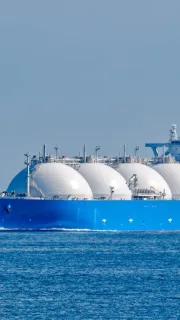
Reuters: War Affected Countries Produced 43 Percent of World Oil in 2025
According to Reuters calculations based on International Energy Agency data, countries at war or directly affected by conflict produced about 45 million barrels of oil per day in 2025, more than 43 percent of global supply. Reuters cited the Iran war with the United States and Israel that began about six months ago, alongside the Russia Ukraine war and export restrictions in Libya and Venezuela, as the main drivers. The report estimates current disruption to Persian Gulf oil export flows at 5 to 7 million barrels per day, and says more than 10 percent of the world's oil refining capacity has been taken offline due to the conflicts in the Persian Gulf and Ukraine.
Bourse News
Oil Slips as Hormuz Supply Risk Eases and Persian Gulf Exports Climb
US crude oil (WTI) fell to around 83.3 dollars a barrel on Friday, August 28, 2026 (6 Shahrivar 1405), down roughly 0.2 percent from the previous day and about 4 percent for the week, according to Trading Economics. The decline reflects traders increasingly viewing Iran's standoff as an economic and sanctions confrontation rather than a threat to physical oil supply, while improving flows through the Strait of Hormuz and a proposed Iran-Oman corridor have further reduced the perceived supply risk. Citing a Goldman Sachs estimate published the same day, Trading Economics reported Persian Gulf oil exports have climbed to around 15 to 16 million barrels per day, a level still well below the pre-conflict range of 22 to 24 million barrels per day but far above the low of roughly 5 to 6 million barrels per day recorded in March 2026. Iran and Oman have agreed on a revenue-sharing framework for the strait, though Tehran has stressed the deal does not mean an immediate reopening of the route.
Trading Economics
Brent and WTI Head for a Weekly Loss Despite Escalating Iran-US Tensions
According to Oilprice.com energy writer Irina Slav, in a report published early Friday, August 28, 2026 (6 Shahrivar 1405), crude oil prices are on course for a second straight weekly loss even as no progress has been made toward peace between Iran and the United States. Citing Reuters, the report said Brent crude was trading at $89.17 a barrel at the time of writing, down 5.3 percent for the week, while West Texas Intermediate was at $83.19 a barrel, on course for a 4.3 percent weekly decline. The report said the Wall Street Journal reported this week that the Trump administration has repeatedly told mediating parties it has no interest in returning to the terms of the ceasefire the US and Iran agreed in June 2026, a deal that did not last a month. White House spokeswoman Anna Kelly was quoted saying no talks with Iran are underway or scheduled, and that the "Economic Outcast" operation is continuing. The report added that the operation's effectiveness has been questioned by some observers, since cooperation from China, Iran's biggest trade partner, is a key condition, and Beijing has not cooperated so far.
Oilprice.com, citing Reuters
Reuters: Asia's August Oil Imports Show No Sign of a Hormuz Transit Surge
According to Reuters commodities columnist Clyde Russell, in a report carried by Oilprice.com on Thursday, 5 Shahrivar 1405 (August 27, 2026), data compiled by analytics firm Kpler show Asia's crude oil imports are set to reach about 23.12 million barrels a day in August 2026, slightly down from 23.36 million barrels a day in July. The figures, the report said, do not support claims of a broad rebound in Strait of Hormuz tanker traffic to pre war levels, as US officials have asserted. US Energy Secretary Chris Wright said in mid August (Mordad) that Middle East oil exports had rebounded to 15 million barrels a day and had even topped the pre war average of 20 million barrels a day on some days. But according to ship tracking data cited in the same report, oil flow out of the Strait of Hormuz is, at best, half the figure the US energy secretary cited. Asia's imports from the Middle East rose to 11.11 million barrels a day in August from 10.76 million barrels a day in July, the report said, but remain more than 4 million barrels a day below the 15.82 million barrel average of the three months before the Iran war began.
Oilprice.com, citing Reuters and Kpler
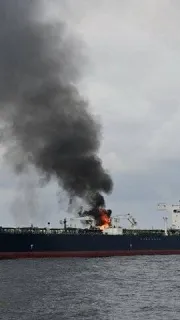
Copper Hits a Fresh Record High of $6.71 a Pound on Comex as London Exchange Stocks Fall 14 Percent
Comex September copper futures in the United States closed up about 1.6 percent on Tuesday, August 25, 2026 (3 Shahrivar 1405), settling at $6.71 a pound, the highest closing level on record. According to Arzdigital, London Metal Exchange copper inventories have fallen about 14 percent since late July 2026 to 214,550 tonnes, with a second straight quarterly cut to Chile's production forecast and a halt at the Grasberg smelter in Indonesia cited as factors behind the tightening supply. Per TradingEconomics, copper eased slightly by 0.21 percent from the prior day to $6.70 on Wednesday, August 26, after touching an all time high of $6.83 earlier in August; the metal is up more than 51 percent from a year earlier. Analysts point to concerns over a weaker US dollar and supply constraints as the main drivers of the rally.
Arzdigital

Oil Prices Dip as Iran-Oman Hormuz Talks Raise Hopes of Reopening; Analysts Urge Caution
Global oil prices fell after reports that Iran and Oman had resumed talks on joint management of the Strait of Hormuz, Oilprice.com reported on Wednesday, Shahrivar 4, 1405 (August 26, 2026), citing Reuters, which described the talks as covering a temporary joint navigational corridor and mine clearance in the strait. At the time of writing, Brent crude traded at 86.69 dollars and WTI at 80.61 dollars a barrel, the report said. The decline coincided with reports of progress in Pakistan peace talks, which ING commodity analysts said also added to downward pressure on oil. ING's Warren Patterson and Ewa Manthey, quoted by Oilprice.com, cautioned that any Iran Oman agreement does not necessarily mean normalized oil flows through the chokepoint, and that full normalization is unlikely until the US lifts its naval blockade of Iranian ports and eases sanctions. Citing tanker tracking data from Windward, the same report said only one vessel, a Barbados flagged LPG carrier, transited the Strait of Hormuz on Tuesday, with no outbound traffic recorded in that 24 hour window, and that the vessel moved in dark mode, without a tracking signal.
Oilprice.com, citing Reuters and ING
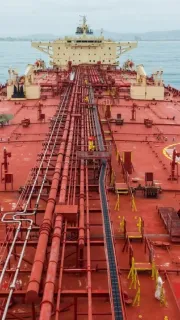
Goldman Sachs Forecasts Gold at $4,900 an Ounce by End of 2026
Goldman Sachs forecast gold at $4,900 an ounce by the end of 2026 in its latest analysis, according to a Mehr News Agency report published Monday, Shahrivar 2, 1405 (August 24, 2026). Global gold, up about 15 percent from its mid July low, is now trading around $4,600. Goldman Sachs warned of the effects of the options market: as gold nears levels where call option contracts are exercised, traders who sold those calls may be forced to buy physical gold to manage risk, amplifying the rally; conversely, a price pullback could sharply increase selling pressure. The bank said reduced market expectations for a Federal Reserve rate hike, following the Fed's pause at its July meeting and weak US jobs and inflation data, have helped improve speculative positioning on Comex and boosted demand for gold ETFs.
Mehr News Agency, citing Goldman Sachs

After Hormuz Closed, Asian Economies Turned to Alternative Energy Routes
According to EcoIran, published Saturday, August 22, 2026 (31 Mordad 1405), before the war began, about 80 percent of Asia's oil imports and nearly 27 percent of its liquefied natural gas (LNG) imports transited the Strait of Hormuz. After the strait closed, countries more dependent on that route were forced to activate alternatives, including buying more oil and gas from the United States and Russia, drawing on strategic reserves, and using pipelines, ports outside the Persian Gulf, and longer shipping routes. Per the report, Japan managed part of the shock by drawing on strategic reserves while simultaneously increasing oil imports from the United States; China moved to cut oil consumption and expand electric vehicle use; and India significantly increased its oil imports from Russia. Indonesia also increased oil imports from Russia and pursued biofuel development, South Korea diversified its import sources, and Taiwan increased purchases from Australia and the United States and temporarily turned to coal to reduce its dependence on Qatari LNG. EcoIran writes that even if traffic through Hormuz fully returns to normal, Asia's energy trade will likely not return to its pre crisis state, since some of the new contracts and shifts in consumption patterns are expected to persist.
EcoIran
Brent Nears $94 as US Treasury Secretary Vows Toughest Sanctions in History on Iran
According to a Friday (August 21) Oilprice.com report citing Reuters, crude oil was on track for a second consecutive weekly gain; at the time of writing, Brent crude traded at $93.50 and WTI at $86.43 per barrel. The rise followed a Wednesday statement by President Trump about preparing "Economic Warfare and Isolation on an unprecedented scale" against Iran, and Thursday remarks by US Treasury Secretary Scott Bessent, quoted by Reuters as saying: "It is a one-two punch. We have the blockade [on Iran], and we are going to have the toughest sanctions in history... It is going to work in Iran and we are going to collapse this regime." Details of the sanctions package are due Monday, and per Reuters, Washington is seeking support from China, the largest buyer of Iranian seaborne oil, though Beijing has repeatedly rejected sanctions as an effective tool. Ratings agencies BMI and Fitch both said they are revising their oil price outlooks given the latest developments in the Persian Gulf war.
Oilprice.com (via Reuters)
Gold Tops $4,596 for a Third Straight Weekly Gain as Silver and Platinum Jump Too
Gold rose to $4,596.90 an ounce on Friday, 30 Mordad 1405 (August 21, 2026), up 1.80 percent from the previous day and on course for a third straight weekly gain, according to Trading Economics, which put gold's monthly gain at 11.29 percent and its year-on-year gain at 36.28 percent. Silver climbed to $69.71 an ounce (up 2.40 percent on the day, about 5 percent for the week) and platinum topped $1,896. Iran's TGJU price network recorded spot gold at $4,598.57 (up 1.73 percent) and silver at $69.94 (up 2.66 percent) around the same hours, figures consistent with Trading Economics.\n\nKitco News quoted ByteTree CIO and founder Charlie Morris identifying the main driver as the US Treasury's plan, announced by Secretary Scott Bessent, to at least double its long-dated debt buyback rate, which he described as effectively a form of quantitative easing. Morris said the world's total above-ground gold supply is now worth about 77 percent of US debt, which recently hit $40 trillion, a ratio that has topped 100 percent several times in the past. Trading Economics added that rising oil prices, as the US prepares sweeping new sanctions against Iran amid a standoff over the Strait of Hormuz, are underscoring inflation risk, while continued central bank buying, particularly by China, is also supporting gold.
Kitco News

China's Shift to Western Russian Crude Squeezes India's Share as India's Oil Imports Hit a War Low
According to Oilprice.com, citing data from ship tracking firm Kpler reported by Reuters, China's seaborne imports of Russian crude are estimated at about 1.25 million barrels per day in August (Mordad), down from 1.423 million bpd in July but still among the highest levels since April. The shift comes as China's imports of Iranian oil remain crushed by the Middle East war and the US blockade, with China expected to receive just 340,000 barrels per day from Iran in August, roughly a third of the 1.14 million bpd it imported in March. China, which normally buys Russian ESPO crude from eastern ports, is now reaching farther west, with Russian crude loaded from European ports expected to account for 31 percent of China's seaborne Russian imports in August, up from 22 percent in June. That shift is cutting directly into India's traditional market, since India takes most of its Russian crude from those same western ports. India's Russian oil imports fell to an estimated 1.87 million bpd in August, sharply down from a record 2.79 million bpd in July. India's total crude imports also dropped to 4.17 million bpd, the lowest since the Iran war began, which could squeeze India's fuel exports to Asia in September as well.
Oilprice.com, citing Reuters and Kpler
Brent Tops $93 in a Fifth Straight Day of Gains Amid the US-Iran Impasse
Brent crude rose 1.95 percent to 93 dollars and 48 cents a barrel in early European trade on Thursday, August 20, 2026 (29 Mordad 1405), hitting a three week high, while US West Texas Intermediate rose 2 percent past 85 dollars to trade at 86 dollars and 12 cents. According to Oilprice, it was oil's fifth consecutive day of gains, coming after Trump announced an "unprecedented" economic pressure campaign against Iran and threatened countries helping Tehran. Concerns about stricter sanctions enforcement added to worries about supply risk in West Asia. Analysts said the crude market continues to underestimate the real supply disruption in fuel markets. Ole Hansen of Saxo Bank said the main stress is downstream, noting "crude is available, diesel is not." The US diesel crack spread hit triple digits for the first time ever this week, rising as high as 102 dollars a barrel on Monday.
Oilprice
Oil rises for a fourth straight day as Brent reaches $91.55 a barrel
Global oil prices rose for a fourth consecutive day on Wednesday, August 19, 2026 (28 Mordad 1405). According to Bourse News, citing Reuters, Brent crude gained 55 cents, or 0.6 percent, to reach $91.55 a barrel, while West Texas Intermediate (WTI) rose 58 cents to $85.52; both benchmarks are at their highest levels since July 24. Data from the American Petroleum Institute (API), as reported by Reuters, showed US crude and distillate inventories fell last week while gasoline stocks rose. Markets remain focused on the risk of supply disruption in the region: the US president has said no talks with Tehran are under way and that shipping through the Strait of Hormuz remains possible, while Iran and maritime tracking firms continue to report the route as blocked.
Bourse News, citing Reuters
Crude-Diesel Price Gap Widens to Extreme as European Diesel Nears $170
Jeff Currie, a senior commodities economist, told CNBC in an interview reported by Oilprice.com on Tuesday, August 18, 2026 (27 Mordad 1405), that while Brent crude was trading around $90.94 a barrel that day, the barrel equivalent price of European diesel had reached about $170, nearly double Brent. He said roughly 100 million to 120 million barrels of crude are stuck within the Strait of Hormuz, and reduced refinery runs in China have shifted the shortage from crude oil to refined products. Currie noted gasoline is up about 30 percent from a year earlier and diesel about 46 percent, directly pushing up transport and industrial costs.
Oilprice.com, citing CNBC

Global Gold Hits $4,354 an Ounce, Brent Crude Tops $91 a Barrel
Global gold and oil prices rose on Wednesday, August 19, 2026 (28 Mordad 1405), as the security crisis in the Strait of Hormuz continued. According to tgju.org, spot gold gained $17.07 (0.39 percent) to reach $4,354.28 an ounce as of 06:43 Tehran time. At the same time, Oilprice.com reported Brent crude trading near 0.7 percent higher above $91 a barrel, with WTI crude up a similar amount around $85.50. Oilprice noted that erratic tanker traffic through Hormuz and recent security incidents, including an official UK Maritime Trade Operations warning about an unidentified projectile striking a vessel transiting the strait, are keeping a geopolitical risk premium in oil prices.
Oilprice.com
Brent crude breaks above $90 a barrel, up more than 2.5% amid Hormuz tensions
Brent crude broke above $90 a barrel on the evening of Monday, August 17, 2026, trading near $90.9, up more than 2.5% (about $2.4) from the previous day. According to tgju.org, Brent's intraday high today reached $91.08, a level consistent with Oilprice.com's reading of $90.77, up 2.54%. The rise came as rhetoric between Iran and the United States over the Strait of Hormuz intensified, even as the US president had claimed earlier the same day that oil was flowing out of the region at an increasing pace and prices were set to fall.
tgju.org
Brent Crude Nears $89.40 as UAE Accuses Iran of a Third ADNOC Tanker Attack
According to a Reuters report published by Khabar Online on Monday, 26 Mordad 1405 (August 17, 2026), Brent crude rose about one percent to 89.40 dollars a barrel, trading most recently up 72 cents, or 0.81 percent, at 89.20 dollars. US West Texas Intermediate crude rose 44 cents to 82.83 dollars a barrel. Both benchmarks had risen more than 5 percent last week following reports of attacks on tankers managed by Abu Dhabi National Oil Company (ADNOC) in the Strait of Hormuz and an attack on a Saudi Aramco refinery. The UAE's state news agency, WAM, said the UAE has accused Iran of attacking a third ADNOC managed tanker, which was transiting the Strait of Hormuz on Friday, 23 Mordad (August 14). The UAE had previously held Iran responsible for two other incidents involving ADNOC tankers on the evening of Thursday, 22 Mordad. Data from ship tracking firm Kepler showed maritime traffic through the Strait of Hormuz fell sharply over the weekend, with only five cargo ships crossing the strait on Saturday.
Khabar Online, citing Reuters
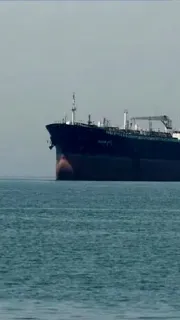
Brent Crude Edges Up to $88.60 as Tanker Traffic Through Hormuz Slows
According to Bourse News, oil prices rose on Monday, 26 Mordad 1405 (August 17, 2026), as fading hopes for progress in US Iran peace talks and slower tanker traffic through the Strait of Hormuz revived geopolitical risk concerns in the market. Brent crude rose about 10 cents to 88.60 dollars a barrel, while US West Texas Intermediate (WTI) crude fell about 20 cents to 82.19 dollars a barrel. Data from ship tracking firm Kepler showed vessel traffic through the Strait of Hormuz slowed over the weekend, with only five cargo ships crossing the strait on Saturday and none recorded on Sunday, compared with 31 ships the previous weekend. Priyanka Sachdeva, head of market insights at Phillip Nova in Singapore, said oil prices have now largely reversed their early August lows, but that room for further gains looks limited from here unless there is clear evidence of escalating tension in the Strait of Hormuz, particularly tangible damage to tankers or oil infrastructure.
Boursenews
Reuters: No Crude Tanker Crossed the Strait of Hormuz on Friday
According to Reuters, citing shipping traffic data from Kpler and carried by Fars News Agency on Saturday, August 15, 2026 (24 Mordad 1405), commercial vessel traffic through the Strait of Hormuz nearly stopped on Friday, August 14 (23 Mordad), and for the first time no crude oil cargo was recorded among that day's transits. Only a handful of vessels crossed the waterway, the report said: a grain carrying ship entered Iranian waters, an empty bulk carrier moved in the opposite direction, and an empty tanker carrying liquefied gas products was entering the Persian Gulf. Reuters said the near halt followed the Abu Dhabi National Oil Company's (ADNOC) announcement that two of its vessels were attacked while transiting the strait on Thursday evening, 22 Mordad. The United Arab Emirates government blamed Iran for the attacks, though Tehran has not officially responded to the allegation.
Donya-e-Eqtesad, citing Fars/Reuters
World Gold Slips 0.5 Percent, Heading for a Weekly Decline
Gold fell 0.5 percent to 4,326.75 dollars an ounce in Friday, August 14, 2026 (23 Mordad 1405) trading in global markets, retreating from its highest level in more than two months. According to Bourse News, US gold futures for December delivery also fell about 1 percent to 4,382.50 dollars. The metal had touched its highest level since June 5 on Thursday before slipping 1.3 percent ahead of the close, putting it on track for a weekly decline. Citing Reuters, the report said traders, based on the CME FedWatch tool, lowered the probability they assign to a US interest rate increase in September to about 35 percent from roughly 55 percent a week earlier. Among other precious metals, silver fell 0.4 percent to 64.17 dollars an ounce and platinum slipped 0.3 percent to 1,711.84 dollars.
Bourse News, citing Reuters

Brent Crude Posts a Mild Gain After US Threat Against Iran
Oil prices in global markets reversed the previous day's decline on Friday, August 14, 2026 (23 Mordad 1405), after the United States threatened to intensify hostile measures against Iran. According to Bourse News, Brent crude futures rose 0.1 percent to 87.08 dollars a barrel, and US West Texas Intermediate crude gained a similar margin to 81.31 dollars a barrel. Both benchmarks, which had closed down more than 2 percent on Thursday, are on track for a weekly gain of about 4 percent. Citing Reuters, the report said the United States warned on Thursday that it could maintain its naval blockade of Iran indefinitely and increase economic pressure on Tehran, even as US Energy Information Administration data showed US commercial crude inventories rose 17.4 million barrels in the week to August 7, the largest weekly build since January 2023.
Bourse News, citing Reuters
Asian Refiners Turn to US Crude as Hormuz Crisis Persists
According to Oilprice.com, in a report published Friday, August 14, 2026 (23 Mordad 1405), at least four Asia based refiners have bought sizeable volumes of US crude this week alone as they seek alternatives to Middle Eastern oil, whose outbound flow through the Strait of Hormuz has been curtailed by the US Iran standoff. Citing Reuters trade sources, South Korea's GS Caltex bought 2 million barrels of Mars crude from Shell at a premium of $13 to $14 over the Dubai benchmark for November delivery. Japan's Cosmo Energy Holdings also bought Mars crude from trader Trafigura, while Japan's largest refiner, Eneos, purchased 2 million barrels of West Texas Intermediate from Trafigura for November delivery at a premium of more than $10 a barrel. Taiwan's state owned CPC Corp bought 2 million barrels of WTI via tender at an $8 to $9 premium. Reuters reported that India's state refiners MRPL and HPCL are separately seeking a combined 6 million barrels of spot crude.
Oilprice.com, citing Reuters
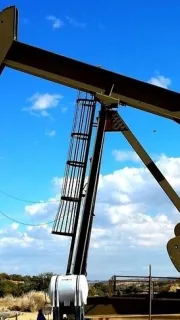
Oil Heads for a 4 Percent Weekly Gain: Brent Above $87 a Barrel
According to Oilprice.com, in a report published Friday, August 14, 2026 (23 Mordad 1405), global oil prices are on track for a weekly gain of nearly 4 percent, as the United States and Iran show no sign of moving closer to a peace deal since the war began. At the time of the report, Brent crude was trading at $87.12 a barrel and West Texas Intermediate at $81.36, with both benchmarks lifted by tanker traffic through the Strait of Hormuz remaining a fraction of pre war levels and the US threat to keep its naval blockade of Iran in place indefinitely. Rystad Energy senior vice president for oil Susan Bell, quoted by Reuters, said this week's bearish crude inventory data has not been enough to trigger a sharper price decline given the dominant geopolitical backdrop. ING analysts noted in a Thursday update that US commercial crude inventories rose by more than 17.4 million barrels last week, exerting temporary downward pressure. The International Energy Agency this week forecast a supply deficit of 1.8 million barrels a day for the current quarter, while OPEC on Wednesday cut its 2026 demand growth outlook to 580,000 barrels a day from 780,000.
Oilprice.com, citing Reuters and ING
US Defense Chief Floats Indefinite Iran Blockade as Hormuz Traffic Sinks to Five Vessels
According to Oilprice.com, citing Reuters, in a report published Friday, August 14, 2026 (23 Mordad 1405), tanker traffic through the Strait of Hormuz fell to just five crossings on Wednesday and nine on Thursday, based on data from Kpler, down from a monthly average of 12 crossings. US Defense Secretary Pete Hegseth said on Thursday that the US Navy can maintain the blockade of Iran indefinitely by rotating ships, and said the administration would apply "measures like have never been seen in the history of economic isolation on a country" in the coming week.\n\nHowever, the report noted that oil prices have not yet fully reflected the tension, as traders instead focused on a 17.4 million barrel build in US commercial crude inventories last week and China's return to buying more crude after months of subdued imports. Analysts cautioned that if the US Iran deadlock and the closure of the Strait of Hormuz persist for a few more weeks, the physical oil market could reach a tipping point of real shortages and a price spike.
Oilprice.com, citing Reuters
Solar Overtakes Wind in Global Electricity Generation for the First Time
According to Oilprice.com, in a report published Thursday, August 13, 2026 (22 Mordad 1405), citing fresh data from the Statistical Review of World Energy, global solar power generation rose 30.1 percent year on year in 2025 to 2,811 terawatt hours, overtaking wind generation of 2,714 terawatt hours for the first time on record. Total global electricity generation reached about 32,202 terawatt hours in 2025, of which 33.4 percent came from renewable sources including hydro, wind, solar and others, the report said. China generated about 1,173 terawatt hours of solar electricity, nearly 42 percent of the global total, followed by the United States with 393 terawatt hours, India with 169, Japan with 111 and Germany with 92. Hydropower remained the world's largest single renewable source of electricity at 4,479 terawatt hours, or 13.9 percent of global generation, the report said.
Oilprice.com

Ship Traffic Through the Strait of Hormuz Falls; Only 9 Vessels Crossed on Thursday
According to Mehr News Agency, citing Reuters, in a report published Friday, August 14, 2026 (23 Mordad 1405), data from shipping analytics firm Kpler shows tanker traffic through the Strait of Hormuz has fallen in recent days. Only 9 vessels crossed the strait on Thursday, August 13 (22 Mordad), the data showed, down from 5 on Wednesday, August 12 (21 Mordad); both figures are well below the roughly 12 vessels a day that transited the strait on average in August.\n\nOf Thursday's 9 vessels, 5 entered the Persian Gulf and 4 exited toward the Gulf of Oman, with most moving along a route favored by Iran. Through the Bab el-Mandeb strait, 19 cargo vessels with active tracking systems transited on Thursday, a slight decline from 20 the day before. Oilprice.com separately confirmed the same Kpler data in its own report.
Donya-e-Eqtesad, citing Mehr/Reuters
Iran-US Deadlock Pushes Oil Toward a Near 4% Weekly Gain
Crude oil prices steadied on Friday, August 14, 2026, with both major global benchmarks on track for a weekly gain of nearly 4 percent after the United States said it could keep its naval blockade of Iran in place indefinitely. Brent crude rose 0.16 percent to $87.2 a barrel while US West Texas Intermediate gained the same to $81.4 a barrel. Both benchmarks remain on course for the roughly 4 percent weekly advance despite falling more than 2 percent in the prior session. The Strait of Hormuz, which carried about 20 percent of global oil flows before the war, remains the market's central concern. On Thursday, August 13, two tankers operated by Abu Dhabi National Oil Company (ADNOC) were attacked while transiting the strait, an incident the UAE's state news agency WAM said its government condemned as an Iranian attack. Offsetting the geopolitical risk premium, a larger than expected build in US crude inventories and weaker 2026 demand forecasts from OPEC and the IEA have added downward pressure on prices.
HDFC Sky
Global Aluminum Stockpiles at London Metal Exchange Fall to Lowest Level Since 1990
According to Oilprice.com, citing Bloomberg, in a report published Wednesday, August 12, 2026 (21 Mordad 1405), aluminum inventories in London Metal Exchange (LME) warehouses have fallen to 250,000 tons, the lowest level since November 1990. The drop came after Norway's Norsk Hydro cut output by 50 percent at its Alunorte alumina refinery in Brazil, the world's largest single site alumina refinery and the largest outside China, due to a disruption in natural gas supply. Hydro warned that the global annual aluminum deficit could exceed 900,000 tons if trade disruption through the Strait of Hormuz continues. Aluminum prices in London rose nearly 2 percent to $3,373 a metric ton, a seven week high, while alumina futures in Shanghai gained 1 percent. Separately, copper prices in London climbed above $14,000 a ton as US stockpiling continued ahead of an expected tariff from the Trump administration.
Oilprice.com, citing Bloomberg

Global Oil Prices Fall as OPEC and IEA Cut 2026 Demand Forecasts
Global oil prices fell in Asian trading on Thursday, August 13, 2026 (22 Mordad 1405), after OPEC and the International Energy Agency (IEA) both cut their 2026 oil demand forecasts on Wednesday, August 12, citing the continued closure of the Strait of Hormuz. According to Oilprice.com, Brent crude dropped 0.5 percent to $88.56 a barrel, while US benchmark WTI fell 0.6 percent to $82.77. In its August monthly report, the IEA raised its projected 2026 demand decline to 1.6 million barrels per day (bpd), a 510,000 bpd increase from its July estimate. OPEC also lowered its 2026 demand growth forecast to 580,000 bpd from 780,000 bpd in July. Separately, the US Energy Information Administration (EIA) reported a surprise 17.4 million barrel build in US crude inventories for the week ending August 7, bringing stockpiles to 424.4 million barrels, just 2 percent below the five year average.
Oilprice.com
Norsk Hydro Output Cut in Brazil Sends LME Aluminum Stockpiles to 36 Year Low
Norway's Norsk Hydro said on Wednesday, August 12, 2026 (21 Mordad 1405) that it cut output by 50% at its Alunorte alumina refinery in Brazil, the world's largest single site alumina refinery and the largest outside China, following a natural gas supply disruption. According to Oilprice.com, citing Bloomberg, the disruption pushed London Metal Exchange aluminum prices to a seven week high, with aluminum up nearly 2% at $3,373 a tonne. LME warehouse inventories fell to 250,000 tonnes, the lowest level since November 1990. Norsk Hydro warned that the global annual aluminum deficit could exceed 900,000 tonnes if disruption to Strait of Hormuz shipping continues. At the same time, LME copper rose above $14,000 a tonne, as US stockpiling ahead of an expected Trump administration tariff tightened global supply. Rising base metal prices affect the profitability of export focused steel and aluminum producers on the Tehran Stock Exchange, whose pricing is tied to global benchmarks and the exchange rate.
Oilprice.com, citing Bloomberg
IEA: Global Oil Market Deficit to Widen to 1.8 Million Bpd in Third Quarter of 2026
The International Energy Agency (IEA) said on Wednesday, August 12, 2026 (21 Mordad 1405) that as the closure of the Strait of Hormuz deepens, global oil demand will fall by about 1.6 million barrels a day in 2026, 510,000 barrels a day more than its July estimate. According to CNBC, the agency said "renewed hostilities and maritime disruptions" have undermined efforts to boost global oil supply, which remained 6.3 million barrels a day lower year on year in July. Global observed oil inventories fell below 7.9 billion barrels in July for the first time since April 2025. Per Yahoo Finance and Reuters, the agency now estimates the global oil market deficit at 1.8 million barrels a day for the third quarter of 2026, more than double the roughly 800,000 barrel a day shortfall it had estimated a month earlier. Brent crude, which surpassed $100 a barrel last month and also fell to near $70, was trading just under $90 a barrel at the time of the report. The IEA warned that although the market is projected to return to surplus toward year end, risks remain substantial and the urgency of reopening the Strait of Hormuz has increased as inventory buffers deplete rapidly.
CNBC, citing the IEA
OPEC Output Rose to 19.85 Million Barrels a Day in July as Iran Also Raised Exports During a Two Week Gap in the US Blockade
According to Oilprice.com, in a report published Tuesday, August 11, 2026 (20 Mordad 1405), production at the 11 member OPEC group rose 1.17 million barrels a day in July from June to 19.85 million barrels a day, a second straight monthly increase, according to a Reuters survey based on ship tracking data and information from OPEC sources, oil companies and consultants. The rise was driven mainly by Gulf producers restoring output that had been shut in during the Strait of Hormuz's three month closure; Iraq and Kuwait led the gains, with Iraq posting the largest monthly increase. Kuwait's July output was estimated at about 1.971 million barrels a day, up from 1.65 million in June. Oilprice.com said Iran also benefited in July from a two week period in which the US blockade aimed at curbing Iranian oil exports was lifted, raising its own output and supply to markets. Group output nonetheless remained well below OPEC+ quotas, as shipping constraints in the Persian Gulf continue to prevent a full recovery in production.
Oilprice.com, citing a Reuters survey
Global Gas Turbine Orders Hit Record High With 71 Percent Annual Jump; JPMorgan Cites Data Center Power Demand
According to Oilprice.com, citing JPMorgan and Bloomberg, global gas turbine orders reached 38 gigawatts in the second quarter of 2026, up 29 percent from the first quarter and 71 percent year over year. Among the three major gas turbine makers, Siemens Energy booked the most orders at 12.5 gigawatts, while General Electric and Mitsubishi Power received orders for 11.3 and 5.3 gigawatts respectively. The United States accounted for half of the new orders, driven largely by surging power demand from data centers. According to BloombergNEF data cited in the report, lead times for new combined cycle gas power plants have risen from three and a half years in 2023 to five years in 2025, with costs up 49 percent.
Oilprice.com
Brent Crude Jumps 5 Percent Above $87, Extends Rally to a Fifth Straight Session
According to Bourse News, crude oil prices jumped about 5 percent early on Tuesday, August 11, 2026 (20 Mordad 1405), reacting to remarks by the US president and rising tensions. Brent rose to $87.70 a barrel, its highest level in nearly two weeks, while West Texas Intermediate gained 5.1 percent to $82.20, marking Brent's fourth consecutive session of gains. Bourse News said reports of an attack on Saudi Arabia's Jazan refinery and on a tanker belonging to Abu Dhabi's national oil company over the weekend, along with US strategic petroleum reserves falling to about 298.7 million barrels, their lowest since 1983, added to the price rise. The rally continued through midday: Sahmino's own price data showed Brent at $89.93 as of 11:49am local time, up 2.44 percent from the previous day, a fifth straight session of gains. Iran has said a safe reopening of the Strait of Hormuz depends on the United States ending its naval blockade of Iranian ports.
Bourse News

Global Silver Hits Seven-Week High, Breaks Above $65 an Ounce
Global silver prices reached a seven-week high on Monday, 19 Mordad 1405 (10 August 2026), breaking above $65 an ounce. According to Trading Economics, silver rose to $65.71 an ounce that day, up 3.42 percent from the previous session; the metal is up 14.05 percent over the past month and 74.68 percent over the past year, though it remains well below its all-time high of $121.64 set in January 2026. Global gold also climbed as high as about $4,360 an ounce earlier that Monday, holding its own seven-week high; according to Ecoiran, silver traded between $63 and $64 during the morning hours before extending its gains later in the day. The main driver was a weaker than expected US jobs report for July, released last week, which reduced the perceived odds of a Federal Reserve interest rate hike this year and supported non yielding assets such as gold and silver. Industrial demand also lent support: Trading Economics data showed China's imports of silver bearing ore rose 62.5 percent year on year in June to 219,000 tonnes, in line with expanding solar panel and power grid production.
EcoIran

Bank of America: Hormuz Traffic Needs to Rise Tenfold to Stabilize Oil Markets Amid Severe Diesel and Gasoline Shortages
Bank of America warned on Monday, 19 Mordad 1405 (August 10, 2026), that oil prices could keep climbing into the winter if the United States and Iran fail to reach an agreement reopening the Strait of Hormuz, as severe shortages emerge in global diesel, gasoline and natural gas markets. According to Oilprice.com, Francisco Blanch, BofA's head of commodities and derivatives research, told CNBC that the bank had expected Brent to stay in the $70 to $80 range on the assumption of some resolution, but that prices will keep creeping higher into winter without a deal. Blanch said only 5 to 10 ships a day are currently passing through the Strait of Hormuz, compared with roughly 140 before the war, and that traffic would need to recover to 80 to 100 ships a day to stabilize energy markets. He said diesel crack spreads, the difference between diesel and crude prices, have surged to roughly $80 to $85 a barrel, calling it nearly unprecedented, and that oil inventories offer far less cushion than during past supply disruptions. Bank of America separately said its bull and bear indicator has climbed to its highest level since 2021, and recommended investors become more defensive on risk assets. Brent crude was trading 3.08 percent higher at $86.12 a barrel Monday morning, the report said, with WTI up 3.25 percent at $80.72.
Oilprice.com
Brent Crude Rises Nearly 3 Percent to $85.90 as Hormuz Ship Traffic Collapses to 8 Vessels a Day
Brent crude rose 2.85 percent (2 dollars and 38 cents) from the prior session to 85 dollars and 93 cents, according to price data recorded on Sahmino as of 17:48 Tehran time on Monday, 19 Mordad 1405 (August 10, 2026). Al Jazeera reported the same day that commercial ship traffic through the Strait of Hormuz has fallen sharply, with only 8 vessels transiting the waterway on Monday, compared with roughly 130 vessels a day before the US and Israeli war on Iran began on February 28, 2026. Al Jazeera said talks among Iran, Oman and the United States on an interim agreement over shipping routes are continuing, but Iran has conditioned a full reopening of the strait on a withdrawal of US forces from the region, compensation for war damage, and the lifting of sanctions. The Strait of Hormuz normally carries about one fifth of the world's oil exports.
Al Jazeera
US Crude Oil Inventories Fall for 17th Straight Week to Lowest Level Since 1984
According to Boursenews, reporting Saturday, 17 Mordad 1405 (August 8, 2026) based on US Energy Information Administration (EIA) data, US crude oil inventories fell for a 17th consecutive week, the longest streak of weekly declines on record, surpassing the previous record of 16 consecutive weeks set in 2021. Since early April 2026, total US crude inventories have dropped by about 166 million barrels to roughly 712 million barrels, the lowest level recorded since March 1984. A significant share of the decline came from the Strategic Petroleum Reserve (SPR), which has fallen by about 111 million barrels since March to 305 million barrels, a level unseen since February 1983. Even excluding strategic reserves, US crude stocks have declined for 10 consecutive weeks, matching a record set in 2018.
Bourse News
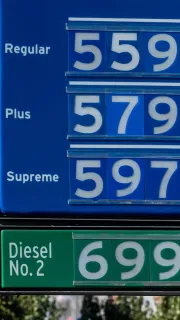
Brent Crude Jumps 1.44 Percent to $84.79 as Strait of Hormuz Uncertainty Persists
Brent crude futures rose 1.20 dollars (1.44 percent) to 84.79 dollars a barrel during Asian trading hours on Monday, August 10, 2026 (19 Mordad 1405), while West Texas Intermediate gained 1.08 dollars (1.12 percent) to 79.29 dollars, according to Reuters as carried by Iran's IRNA. In the same hours, Trading Economics and Oilprice.com both placed Brent near 84.40 dollars, with Trading Economics describing the move as the third consecutive session of gains. The rise is driven mainly by continued uncertainty over reopening the Strait of Hormuz. Kazem Gharibabadi, Iran's deputy foreign minister for legal and international affairs, said an understanding between Iran and Oman on new transit arrangements for commercial vessels through the strait was nearing its final stage, but stressed this does not mean a full reopening. He described it as a different model from the past six decades of practice, one that would route a significant share of vessel transit through Iran's territorial waters, adding that Iran insists Hormuz's security should rest with the littoral states, without foreign military intervention.
IRNA

Global Silver Trades Near $63-64 an Ounce as Silver Institute Flags a Sixth Straight Annual Deficit for 2026
According to TGJU, published Sunday, August 9, 2026 (18 Mordad 1405), global spot silver is trading in the $63 to $64 range after a weekly rebound of nearly 10 percent, still well below its January 2026 record of about $121 to $122 an ounce. Sahmino's own price data recorded silver at $63.54 an ounce on Saturday, August 8. According to the Silver Institute's World Silver Survey 2026, the global silver market will post its sixth consecutive annual supply deficit in 2026, estimated at about 46.3 million ounces, up from a 40.3 million ounce deficit in 2025. The market's cumulative deficit since 2021 has reached roughly 762 million ounces. About 70 to 74 percent of global silver production comes as a byproduct of copper, lead, zinc and gold mining, meaning higher prices alone cannot quickly expand mine supply; global mine output growth this year is estimated at only about 1 percent.
TGJU
Wall Street's S&P 500 Hits Record Above 7,700 for First Time, Brent Crude Swings on Hormuz Reopening Hopes
According to a report by Al Jazeera on Saturday, August 8, 2026, Wall Street's S&P 500 index climbed 1.8 percent this week to close above 7,700 points for the first time, surpassing its previous record of 7,620.90 set on June 2; the index has gained 12.80 percent so far this year. The Dow Jones Industrial Average rose 1.7 percent to a record 54,085.88, its second straight record close, with Palantir Technologies shares up 29.5 percent after forecast beating second quarter revenue of 1.94 billion dollars. Asian markets rallied too, with Tokyo's Nikkei 225 up 3.7 percent and Seoul's Kospi up 3.8 percent. In oil markets, Brent crude fell about 5 percent overnight before rising 0.8 percent to 79.98 dollars a barrel as of 07:30 GMT. US Secretary of State Marco Rubio said a deal to reopen the Strait of Hormuz would happen "very shortly," while Treasury Secretary Scott Bessent said an agreement could be reached within the same week. US Central Command said the strait remains "free and open" to commercial vessels and has assisted more than 1,000 vessels through it over the past three months, though ship tracking platform MarineTraffic recorded just 9 vessels transiting the strait on Sunday, compared with about 130 daily crossings before the war.
Al Jazeera

Brent Crude Ends Week Down More Than 8 Percent Despite Friday's One Dollar Gain
Brent crude settled up $1.06 (1.3 percent) at $83.55 a barrel in Friday, August 7, 2026 trading, and US West Texas Intermediate rose 89 cents (1.15 percent) to $78.18, Bourse News reported. The gains were not enough to offset earlier weekly losses, and Brent ended the week down more than 8 percent while WTI fell over 7 percent, a decline driven by traders' hopes for a reopening of the Strait of Hormuz. Iran's foreign ministry spokesperson said around the same time that there are no direct talks with the United States under way, and that consultations with Oman are focused on setting a temporary route to secure safe shipping through the strait. Kepler data showed only eight vessels transited the Strait of Hormuz on Thursday, August 6. Citigroup raised its third quarter Brent price forecast to $80 a barrel from $75, while Goldman Sachs said it expects Brent to stay in an $80 to $90 range, with prices potentially rising to $120 a barrel if the strait remains closed for a longer period.
Bourse News
FAO World Food Price Index Hits Highest Level in More Than Three Years in July
The UN Food and Agriculture Organization (FAO) said on Friday, August 7, 2026 (16 Mordad 1405), that its World Food Price Index averaged 131.1 points in July, up from 130.3 in June and the highest reading since January 2023. According to Daily Sabah, the FAO attributed the rise to a combination of adverse weather and escalating war in the Persian Gulf and the Black Sea. The FAO's cereal price index rose 3.4 percent month over month, driven mainly by a 5.8 percent jump in wheat prices amid concerns over Black Sea export disruptions and heat damage to crops. The vegetable oil index rose 2 percent to its highest level since June 2022, while sugar prices climbed 5.6 percent. Meat prices, by contrast, fell 2.8 percent from June's record high. The current index level remains 18.2 percent below its March 2022 peak, which followed Russia's invasion of Ukraine.
Daily Sabah
Citi Raises Q3 2026 Brent Forecast to $80, Still Sees Price Falling to $65 in 2027
Citigroup raised its forecast for average Brent crude prices in the third quarter of 2026 to $80 a barrel from $75 on Friday, August 7, 2026 (16 Mordad 1405), Oilprice.com reported. The revision comes as the US-Iran war, now in its fifth month, continues to disrupt normal oil flows through the Strait of Hormuz, with repeated attempts at a deal failing to restore them. Citi left its fourth-quarter forecast unchanged at $70 and still expects Brent to average $65 in 2027. Brent futures were trading at $83.11 a barrel on Friday afternoon, up $0.62, while West Texas Intermediate gained $0.51 to $77.80. Goldman Sachs, by contrast, still expects Brent to hold between $80 and $90 until markets get confirmation of a US-Iran agreement or a significant escalation in attacks, and has floated prices as high as $120 a barrel should the Strait of Hormuz remain closed for longer.
Oilprice.com
Oil jumps again as Brent climbs to $83.15 a barrel
Oil prices rose in Friday trading on 16 Mordad 1405 (7 August 2026). According to Tasnim News Agency, reported by Ecoiran, Brent North Sea crude gained 66 cents to reach 83 dollars and 15 cents a barrel, while US light crude (WTI) rose 35 cents to 77 dollars and 64 cents. Donya-e-Eqtesad reported the same figures, and Trading Economics confirmed Brent's rise above 83 dollars on Friday. Prices had already jumped more than 3 dollars on Thursday, 15 Mordad, though both benchmarks remain on track for a weekly decline of more than 7 percent. Vandana Hari, founder of oil market analysis firm Vanda Insights, said this week's signals about a possible Iran Oman agreement over the Strait of Hormuz have made market sentiment highly volatile, and it remains unclear what needs to happen for the deal to be finalized. Beyond the uncertainty over Hormuz, intensifying conflicts elsewhere in the region and concern over Red Sea shipping routes have also supported prices. Investors are also awaiting the US nonfarm payrolls report due out Friday afternoon, which could shape the outlook for Federal Reserve interest rates.
EcoIran, citing Tasnim

Bloomberg: US Crude Oil Imports from Saudi Arabia Hit Zero in July for First Time Since 1985
According to the US trade publication Transport Topics, citing Bloomberg, published Thursday, August 6, 2026 (15 Mordad 1405), US imports of Saudi Arabian crude oil dropped to zero in July, the first time that has happened for a full month in more than 40 years, since 1985. Citing preliminary US Department of Energy data released on August 5, the report said US bound shipments of Saudi crude ground to a halt in July, even though US refiners had been buying more than 800,000 barrels a day from Saudi Arabia earlier this year. Iran's IRNA news agency carried the same Bloomberg report the same day. Bloomberg said Saudi oil exports have been disrupted for months by the US Iran conflict, which has largely shut down Persian Gulf crude flows. Phillips 66 chief executive Mark Lashier said on August 5 that the company had cut the share of Middle Eastern crude processed at its refineries to under 1 percent, instead sending light US crude to its New Jersey refinery. Chevron and PBF Energy are among other traditional buyers of Saudi crude, while Motiva Enterprises' refinery in Port Arthur, Texas, wholly owned by the Saudi state oil company, normally processes Middle East barrels. Venezuela was the biggest beneficiary of the shift away from Saudi crude, the report said: US refiners imported roughly 600,000 barrels a day of Venezuelan crude in July, up from about 100,000 barrels a day at the start of the year. According to Kpler data, Saudi oil shipments to the US may rebound to about 300,000 barrels a day this month, in line with recent historical norms.
Transport Topics, citing Bloomberg
FAO chief economist warns world is nearing a new wave of food price increases
Maximo Torero, chief economist of the UN Food and Agriculture Organization, told Reuters in an interview published by Boursenews on Thursday, August 6, 2026 (15 Mordad 1405), that the world is approaching a new wave of food price increases. He said a combination of higher oil prices, reduced fertilizer supply from the Persian Gulf region, diesel shortages in parts of the world, and unfavorable weather is raising agricultural production costs, with the impact typically reaching final food prices after a three to six month lag. Torero said he expects agricultural commodity prices to rise through the end of this calendar year and increase further next year. Australia, a top global agricultural exporter, has already said its winter crop output will fall 21 percent. Torero also pointed to the El Nino weather pattern, expected to be strong this year, which could push tens of millions of people into acute food insecurity.
Bourse News, citing Reuters

Oil prices dip as Iran and Oman make progress on Hormuz shipping talks
According to Reuters, published by Shafaq News on Thursday, August 6, 2026 (15 Mordad 1405), global crude oil prices fell as Iran and Oman made progress in talks on reopening the Strait of Hormuz. Brent crude fell 33 cents, or 0.42 percent, to $79.12 a barrel, while US West Texas Intermediate declined 42 cents, or 0.56 percent, to $74.80 a barrel. Iran's Foreign Ministry spokesperson Esmaeil Baghaei said on Wednesday, August 5, 2026, that Iran and Oman had reached an understanding on the geographic coordinates for a shipping route through the strait and that a joint statement was being finalized, provided certain third parties did not interfere. Reuters reported that the proposal under discussion would give Tehran control over ships entering the Gulf through the Strait of Hormuz, one of the biggest concessions offered to Iran so far, according to a senior Iranian source and two regional officials. There was no immediate US comment on the proposal, and US officials have repeatedly said they would not agree to Iran controlling access to the key energy trade route. Persian Gulf countries' crude oil and condensate exports were largely steady in July but remained about 40 percent below pre-war levels, shipping data showed.
Shafaq News, citing Reuters

Gold hits highest level since late June as Iran-US tensions ease and US jobs data weakens
Global gold prices rose 3.82 percent from the previous day to 4,233.70 dollars an ounce on Wednesday, August 5, 2026 (14 Mordad 1405), the highest level since June 18 (28 Khordad), according to Trading Economics. US President Donald Trump said on Tuesday, August 4 that the United States and Iran had held "very good discussions," raising hopes for an end to their five month conflict. The prospect of restored Middle Eastern energy exports pushed oil prices down about 10 percent this week, easing inflation concerns. A report from ADP showed the US private sector added just 44,000 jobs in July, the weakest reading since January and well below forecasts of 70,000. Traders now price a 57 percent chance of a September Federal Reserve rate hike, down from 67 percent a day earlier. Ecoiran reported that silver climbed to around 62 dollars an ounce, the dollar index weakened against the euro, and copper traded near its historic high.
EcoIran

Global oil price rally stalls as market awaits outcome on the Strait of Hormuz
Global oil prices held steady in trading on Wednesday, 14 Mordad 1405 (5 August 2026), after falling over the previous two trading sessions, as investors awaited clarity on efforts to end the war and resume shipping traffic through the Strait of Hormuz. According to Bourse News, citing Reuters, Brent crude futures rose 26 cents (0.33 percent) to $79.62 a barrel, and US West Texas Intermediate rose 12 cents (0.16 percent) to $75.90 a barrel. Brent had closed below $80 a barrel on Tuesday for the first time since 13 July, after Qatar reported progress in mediation efforts to end the war. Market sources cited American Petroleum Institute data showing US crude and gasoline inventories rose by about 2.7 million barrels in the week to 31 July; official US inventory data was due from the US Energy Information Administration later Wednesday.
Bourse News (Reuters)
Glencore posts $4.4 billion first half net income, swinging back from a loss on the oil and copper rally
Commodity producer and trader Glencore reported on Wednesday 5 August 2026 that net income attributable to equity holders reached $4.405 billion in the first half of 2026. That compares with a loss of $655 million in the same period of 2025, a swing of roughly $5 billion. According to Oilprice, the company's adjusted core earnings, or EBITDA, jumped 86 percent to $10.1 billion, while revenues rose 49 percent to $174 billion. Glencore attributed the results to the rally in oil and copper prices and to market volatility, which lifted revenues and trading profits. Results from the large commodity houses are one read on where the raw materials price cycle stands, a cycle that also feeds the export revenues of metals and mining companies listed in Tehran.
Oilprice
Oil's slide halts as Brent returns to gains after closing below $80
Oil's downward run halted on Wednesday, 5 August 2026 (14 Mordad 1405). In early trading, Brent crude futures rose 26 cents, or 0.33 percent, to $79.62 a barrel and West Texas Intermediate rose 12 cents to $75.90. Brent had closed below $80 on Tuesday for the first time since 13 July, and by Wednesday afternoon it had returned to above $80. According to Bourse News citing Reuters, investors are waiting to see whether efforts to end the war and resume traffic through the Strait of Hormuz will succeed. Qatar's Amiri Diwan said on Tuesday that the country's emir had spoken by telephone with the US president and that the two sides reviewed the latest efforts to reduce tensions between Tehran and Washington. Iran's foreign ministry had earlier rejected the US president's claim of a new round of Tehran-Washington negotiations, confirming only an exchange of messages through mediators. Before the hostilities began, about 20 percent of the world's oil and liquefied natural gas transited the Strait of Hormuz. Market sources citing American Petroleum Institute data also said US crude inventories rose by about 2.7 million barrels in the week to 31 July; official figures from the US Energy Information Administration are due on Wednesday afternoon.
Bourse News, citing Reuters
Bloomberg survey: OPEC crude output rose 1.16 million barrels in July to 19.44 million barrels a day
Bloomberg's monthly survey found that OPEC crude production rose by 1.16 million barrels per day in July 2026 to average 19.44 million barrels per day, with almost all of the increase coming from three Persian Gulf producers. Iraq led the gain, adding 460,000 barrels per day to reach 2.3 million barrels, and its July exports rose 37% on heavier loadings from the southern port of Basra. Kuwait's output rose 360,000 barrels to average 1.57 million barrels per day, while Saudi Arabia added 390,000 barrels to reach 7.4 million barrels per day, still several million barrels below its pre war level. Group output overall remains well below pre war levels, as Persian Gulf shipping traffic stays disrupted and the Red Sea route remains exposed. Core OPEC Plus members agreed on Sunday to raise output by 188,000 barrels from September. The Bloomberg survey is compiled from ship tracking data, official information and estimates from consultants including Kpler and Rystad Energy.
Bourse News, citing Bloomberg

Oil falls for a third day; Brent at $78.44 and down more than 12 percent this week
Oil prices fell for a third session on Wednesday, 5 August 2026 (14 Mordad 1405). According to Reuters, Brent crude futures dropped 92 cents, or about 1.2 percent, to $78.44 a barrel by 0330 GMT, while US West Texas Intermediate lost $1.07, or 1.4 percent, to $74.70. Brent has tumbled more than 12 percent so far this week and WTI more than 11 percent. Brent closed more than 5 percent lower on Tuesday, 13 Mordad, falling below $80 for the first time since 13 July. Qatar said on Tuesday that mediators were making progress in efforts to end the war, although Tehran has denied US President Donald Trump's assertion that talks are underway. Before the war began, some 20 percent of the world's oil and LNG transited the Strait of Hormuz, and prices rose 50 percent in March alone. Priyanka Sachdeva of Phillip Nova said that while the immediate geopolitical premium has unwound, the pullback could prove short lived if diplomatic efforts fail and physical supply is ultimately affected.
Shafaq News, citing Reuters
Oil plunges about 6% as Brent drops below $80 for the first time since 13 July
World oil prices plunged about 6% on Tuesday 4 August 2026. According to Anadolu Agency, Brent crude futures fell to around $79 a barrel as of 1550 GMT, down about 5.7% from the previous close of $83.77. It was the first time Brent has traded below $80 since 13 July. West Texas Intermediate declined about 5.9% to $75.60 a barrel from a previous close of $80.34. The main driver was intensified diplomacy over reopening the Strait of Hormuz. US Treasury Secretary Scott Bessent told CNBC that negotiations were continuing and that a deal could be reached that day or the next. US Secretary of State Marco Rubio was more cautious the same day, saying: "There's been progress made in those talks, but not finality yet." Iranian Foreign Ministry spokesman Esmaeil Baghaei said Tehran is not holding direct negotiations with Washington and that talks under Omani mediation are focused on securing safe passage for commercial vessels. Qatar said a de-escalation plan is circulating but that no clear timetable for an agreement has been set. A second factor was OPEC+ proceeding with a planned production increase of 188,000 barrels per day in September. The fall unwinds part of the geopolitical risk premium that pushed prices sharply higher in July. Crude is the single most important external variable for Iran's foreign currency earnings, and through that for the currency and gold markets and for refinery and petrochemical names on the Tehran bourse.
Anadolu Agency

Aramco's chief executive says the Persian Gulf crisis has kept 2.6 billion barrels of oil out of the global market
Amin H. Nasser, chief executive of Saudi Aramco, said on Tuesday, 13 Mordad 1405 (August 4, 2026), alongside the release of the company's second-quarter results, that the current Persian Gulf crisis has so far kept 2.6 billion barrels of oil from reaching consuming markets. He described the situation as the biggest supply shock in history, covering oil destined for industries such as agriculture, semiconductors, automotive, chemicals and manufacturing. Speaking to analysts after the results, Nasser said the company's East-West pipeline and global inventories had absorbed part of the shock, lowering the net loss to around 1.8 billion barrels. Aramco has used its 1,200 kilometre pipeline to the Red Sea to bypass the Strait of Hormuz and has kept exports at a maximum capacity of 7 million barrels per day. He warned that even if the Strait of Hormuz were to reopen today, replacing depleted inventories would take up to 18 months at an average rate of 2.1 million barrels per day. The figures indicate that the effect of the Hormuz disruption on the global supply balance would persist for months after the crisis ends, even under a scenario in which a deal is reached and the strait reopens.
Bourse News
Brent crude climbs back above $84 early on Tuesday, recovering part of Monday's 5 percent slide
Brent crude rose 1.07 percent to $84.67 a barrel early on Tuesday, 4 August 2026 (13 Mordad 1405), while West Texas Intermediate gained 0.91 percent to $81.07. Separate market data put Brent at $84.35 over the same early hours, up 0.69 percent. The move recovers part of Monday's decline on 3 August (12 Mordad), when Brent fell more than 5 percent and retreated to around $83.4. The main driver of that fall was trader focus on the resumption of US and Iran negotiations and the prospect of an agreement on fully reopening the Strait of Hormuz. The rebound coincided with fresh ambiguity in the two sides' accounts: Iran denied holding direct talks with Washington and said its discussions with Oman on increasing shipping through the Strait of Hormuz are continuing. At the same time, the UK Maritime Trade Operations centre reported that an unknown projectile struck a cargo vessel near Khasab, Oman. Oil prices are the main channel through which developments in the Strait of Hormuz reach Iran's foreign currency earnings and its domestic currency market.
Oilprice.com
Oil falls more than 5% as US and Iran talks resume
Crude oil prices fell more than 5% in trading on Monday, Aug. 3, 2026 (12 Mordad 1405). According to Anadolu Agency, the drop followed US President Donald Trump's announcement that he had cancelled a planned military strike on Iran and that talks would resume the same day. International benchmark Brent slid to around $83.40 per barrel as of 0605 GMT on Aug. 3, while West Texas Intermediate fell 6% to $79.60. Trump said key US allies in the region, including Saudi Arabia, had urged him to suspend the strikes and prioritise negotiations. He also repeated his call for the Strait of Hormuz to be reopened quickly. Brent had climbed about 25% during July 2026, after renewed US and Iran hostilities broke an interim agreement and widened supply disruption from the Strait of Hormuz to the Red Sea. At the same time, major OPEC+ producers approved another modest increase in production quotas, completing the planned restoration of the output cuts introduced in 2023. Trading Economics data show Brent recovering to $84.35 per barrel on Tuesday, Aug. 4 (13 Mordad), up 0.69% on the day.
Anadolu Agency
Precious metals recover as oil slides, with gold above $4,050 and silver above $58
According to Iran's capital market news agency SENA, gold moved back above $4,050 an ounce in Monday's session on 3 August 2026 (12 Mordad 1405), recovering part of the previous day's decline. Lower oil prices, which followed news that the United States had called off a planned military strike on Iran and announced a fresh round of talks, eased concerns over inflation and the interest rate outlook and supported the gold market. Silver likewise moved above $58 an ounce the same day, recovering the previous session's loss. Copper futures rose to around $6.5 a pound, their highest level in two weeks, with analysts pointing to a shortage of copper concentrate and scrap in China, the metal's largest consumer. Traders are now focused on the week's US labour market data, the most important of which is Friday's monthly employment report. The Federal Reserve left its policy rate unchanged last week, and markets are currently pricing roughly a 68 percent probability of a 25 basis point increase at the September meeting. The global ounce is the external anchor for gold and coin pricing in Iran's market.
Iran Capital Market News Agency (SENA)

Oil slumps on positive signals from the Iran and United States talks
Global oil markets fell in the opening hours of the week's trading, early on Monday 3 August 2026 (12 Mordad 1405), as hopes strengthened that talks between Iran and the United States would be concluded. According to the newspaper Donya-e-Eqtesad, Brent fell more than 6 percent during those hours, retreating into the $80s. Price provider data from the same early morning gives a more precise reading of the market level. Trading Economics reported Brent at $83.77 a barrel, a fall of 4.73 percent from the previous close of $87.93. OilPrice put Brent at $83.87, down 4.62 percent, and West Texas Intermediate at $80.64, down 4.76 percent. The gap between these readings and the figure of more than 6 percent reflects the moment of measurement during overnight swings. The driver was the US president's announcement that he had cancelled a planned military strike and that a new round of talks with Tehran would begin. Despite the drop, Brent remains 16.37 percent higher than a month ago and 21.83 percent higher than at the same time last year, on Trading Economics data.
Donya-e-Eqtesad

Rubio's plan to bypass the Strait of Hormuz runs into the capacity limits of alternative pipelines
US Secretary of State Marco Rubio, in a Fox News interview that aired on Saturday, 1 August 2026, floated the idea of a permanent geopolitical shift in how the world's energy moves, routing it outside the Strait of Hormuz. Before the start of the US and Israeli war on Iran, about one fifth of global seaborne oil trade passed through the strait. According to US Energy Information Administration (EIA) data, the 39 kilometre wide strait handles roughly 20 million barrels of oil a day, equal to about 20 percent of global petroleum liquids consumption. A fifth of the world's liquefied natural gas trade, primarily from Qatar, also passes through the same route. Experts told Al Jazeera that the capacity of alternative pipelines is limited. Saudi Arabia's East to West pipeline (Petroline) has returned to pumping about 7 million barrels a day after wartime damage was repaired, according to the Saudi energy ministry, and the Abu Dhabi Crude Oil Pipeline carries up to 1.8 million barrels a day to the port of Fujairah. The combined maximum capacity of the alternative lines is about 9 million barrels a day, and the EIA estimates only around 2.6 million barrels a day of unused capacity exists on the Saudi and Emirati pipelines. Experts also warned that shifting cargoes to the Red Sea transfers the vulnerability to the Bab al-Mandeb strait.
Al Jazeera

Seven OPEC+ members approve a 188,000 barrel a day unwind of voluntary cuts for September
Seven members of the OPEC+ alliance, namely Saudi Arabia, Russia, Iraq, Kuwait, Kazakhstan, Algeria and Oman, met virtually on Sunday 2 August 2026 (11 Mordad 1405) and decided to unwind 188,000 barrels a day of the 1.65 million barrel a day voluntary supply cut announced in April 2023. The increase will be implemented in September 2026. According to the OPEC Secretariat, the seven countries noted that the move gives participating producers an opportunity to accelerate their compensation plans, and reaffirmed their intention to fully compensate for production above quota since January 2024. The group will hold monthly meetings to review market conditions, conformity and compensation, and will next convene on 6 September 2026 (15 Shahrivar 1405). Alongside the status of the Strait of Hormuz, the OPEC+ supply path is one of the main variables shaping crude prices for Iran's markets.
Shana

OPEC+ monitoring committee voices concern over attacks on energy infrastructure
The 67th meeting of the OPEC+ Joint Ministerial Monitoring Committee was held by videoconference on Sunday 2 August 2026 (11 Mordad 1405). The committee comprises Saudi Arabia, Russia, Iraq, Kuwait, Kazakhstan, Nigeria, Algeria and Venezuela. According to the OPEC Secretariat, the committee expressed concern over attacks on energy infrastructure and noted that restoring damaged energy facilities to full capacity is costly and time consuming, which in turn affects overall supply availability. It stressed the vital importance of protecting supply routes to guarantee the uninterrupted flow of energy, and said any action that undermines energy supply security, whether by attacking infrastructure or disrupting supply routes, increases market volatility. The committee reviewed crude production data for May and June 2026 and noted overall conformity among countries participating in the Declaration of Cooperation. The 68th meeting of the committee is scheduled for 4 October 2026 (12 Mehr 1405).
Shana

OPEC set to raise September output targets, then pause increases until year end
OPEC will raise its oil production targets by about 188,000 barrels per day in September and then pause further increases for the rest of 2026, Reuters reported on Sunday 2 August 2026, citing sources familiar with the matter. The adjustment is part of the group's plan to return supply to the market gradually after years of cuts designed to support prices. At its meeting on Sunday 2 August 2026, OPEC will also assess market conditions and discuss production quotas for 2027. The group's output climbed to 19.34 million bpd in June 2026, up 3.3 million bpd from the previous month, as producers along the Persian Gulf restored supplies following disruptions linked to the effective closure of the Strait of Hormuz. The Strait of Hormuz, which carries about 20 percent of global oil supplies, has remained largely closed since 28 February 2026. For Iran's markets, OPEC's output path and the status of that waterway are the two main variables shaping crude prices and currency expectations.
Shafaq News
Reuters July poll sees Brent crude averaging $85.22 a barrel in 2026
In the July Reuters monthly poll of 31 economists and analysts, Brent crude was forecast to average $85.22 a barrel in 2026, up from the $84.50 forecast in June. US crude was forecast to average $80.14 a barrel, against a June estimate of $79.49. So far this year the two benchmarks have averaged $87.03 and $82.41 respectively. Tobias Keller, an analyst at UniCredit, said the main factor supporting oil prices remains geopolitical risk, which is likely to persist through the second half of the year and keep volatility elevated. Analysts at JPMorgan wrote in a note last week that every month of supply disruption adds roughly $7 to $8 a barrel to Brent, and that three months of continued disruption would push the monthly average to about $114. OPEC has revised its forecast for global oil demand growth in 2026 down for the third consecutive time, to 780,000 barrels per day. According to Reuters, sources said OPEC Plus is likely to pause its output increases for three months from October, after raising production in September.
Bourse News
Brent crude reaches $87.93 and WTI $84.67; natural gas edges lower
Brent crude reached $87.93 a barrel in the latest trading through Saturday 1 August 2026 (10 Mordad 1405), up $1.05 or 1.21% from the previous close. West Texas Intermediate rose by $1.08, or 1.29%, to $84.67 a barrel. Over the same period natural gas slipped 0.4% to $2.747, heating oil fell 2.09% to $4.122 and gasoline eased 0.55% to $3.114. Murban crude traded 1.26% higher at $85.49. The oil market has in recent weeks been shaped by disruption across two waterways, the Strait of Hormuz and the Red Sea. Global crude prices matter directly to Iran's economy, since they feed both oil export revenue and expectations in the domestic currency and gold markets.
Mehr News Agency

OPEC cut its 2026 oil demand growth forecast for a third straight time to 780,000 bpd as OPEC+ is set to pause output increases from October
While geopolitical risk keeps oil prices elevated, the demand and supply side of the market is being revised. According to a report published on Saturday 1 August 2026, OPEC has revised its forecast for global oil demand growth in 2026 down for a third consecutive time, to 780,000 barrels per day. According to Reuters, sources say OPEC+, the 21 member group comprising OPEC members, Russia and the group's other allies, will most likely pause its oil output increases for three months from October, following a September increase. In Reuters' July survey of 31 economists and analysts, estimates from 10 analysts point to 2026 oil demand growth falling by roughly 500,000 barrels per day to 1.6 million barrels per day, while estimates of this year's supply deficit range from 1 million to 2.6 million barrels per day. The International Energy Agency expects global oil demand to fall by 1 million barrels per day this year and then rise by 2 million barrels per day in 2027. Tobias Keller, an analyst at UniCredit, said the main factor supporting prices remains the additional geopolitical risk premium tied to the war against Iran, which is likely to persist through the second half of the year.
Eghtesad Online, citing ISNA and Reuters
Brent fell 1.44% to $87.75 on Friday yet closed July with a 21% monthly gain
Oil prices fell more than one percent in Friday 31 July 2026 trading after tanker traffic through the Persian Gulf was curtailed. According to Mehr News Agency citing Iran's oil ministry, North Sea Brent crude was down $1.28 or 1.44 percent at $87.75 a barrel as of 08:07 GMT on Friday, while West Texas Intermediate traded $1.48 or 1.77 percent lower at $82.11 a barrel. Despite the daily decline, both benchmarks ended July higher, with Brent on track for a 21 percent monthly gain and WTI for an 18 percent rise. Ole Hvalbye, an analyst at SEB Research, said the market has stopped trading on the war factor and is now trading on shipping data. Priyanka Sachdeva of Phillip Nova said higher security risks have raised freight and insurance costs and made the geopolitical risk premium in oil prices significantly more pronounced. A drone attack that set two gas carriers on fire at Egypt's Damietta port has added a fresh threat to the Suez Canal route. Before the military conflict in West Asia, roughly one fifth of the world's oil and liquefied natural gas cargoes passed through the Strait of Hormuz.
Mehr News Agency, citing Ministry of Petroleum
Reuters July poll lifts the 2026 Brent average to $85.22 as JPMorgan says each month of disruption adds $7 to $8 a barrel
In Reuters' July poll of 31 economists and analysts, Brent crude was forecast to average $85.22 a barrel in 2026, up from $84.50 in the June poll. The forecast average for US crude also rose, to $80.14 from $79.49. The two benchmarks have actually averaged $87.03 and $82.41 respectively so far this year. The report was recirculated on Saturday, 1 August 2026. Tobias Keller, an analyst at UniCredit, said the main factor supporting oil prices remains the geopolitical risk premium tied to the war against Iran, which is likely to persist through the second half of the year and keep volatility elevated. The US military campaign against Iran, which began in late February, has sharply reduced traffic through the Strait of Hormuz, previously the route for about one fifth of the world's crude oil and natural gas, and has disrupted West Asian output. Yemen's declared naval blockade of Saudi Arabia has also put shipping through the Bab el-Mandeb Strait under pressure, creating a second chokepoint for oil flows. Analysts at JPMorgan wrote in a note last week that each month of supply disruption adds roughly $7 to $8 a barrel to Brent, and that three months of continued disruption would take the monthly average to about $114. On the demand side, based on estimates from 10 participating analysts, oil demand growth in 2026 is now seen about 500,000 barrels per day lower at 1.6 million bpd, while estimates of this year's supply deficit range from 1 million to 2.6 million bpd. The International Energy Agency projects global demand will fall by 1 million bpd this year and then rise by 2 million bpd in 2027. OPEC also cut its 2026 demand growth forecast for a third consecutive time, to 780,000 bpd. According to a Reuters report citing sources familiar with the matter, OPEC+ is likely to pause output increases for three months from October, after a September increase.
Eghtesad Online, citing ISNA and Reuters Poll
WMO says El Nino is intensifying, with central Pacific sea surface temperatures projected more than 2.9C above normal
The World Meteorological Organization (WMO), the United Nations weather agency, warned in its latest update released on Friday, 31 July 2026 (9 Mordad 1405), that a rapidly intensifying El Nino event is set to dominate global weather patterns in the coming months and to heighten the risk of heatwaves, drought and flooding around the world. According to the report, sea surface temperatures in the central Pacific are projected to rise more than 2.9 degrees Celsius above normal. The WMO forecasts above normal temperatures across nearly all land areas, with the most intense heat signals across Africa, southern Europe, the Indian subcontinent, East Asia and South America. Scientists say the event could reach record intensity when it peaks in the second half of 2026, although computer model projections remain uncertain. UN Secretary General Antonio Guterres said «El Nino is not just on our doorstep, it is inside the house and turning up the heat», and urged states to halt new coal, oil and gas projects. WMO Secretary General Celeste Saulo stressed that early warnings must translate into concrete government action. The phenomenon matters for Iranian markets through two channels: the effect of heat and drought on summer electricity consumption and the country's power supply gap, and its effect on global agricultural output and prices, which feed part of Iran's import basket.
Al Jazeera
US refinery output reached 17 million barrels a day, the highest since September 2019, yet still short of world demand
According to the latest data from the US Energy Information Administration, published by Bloomberg and reported on Thursday, 30 July 2026, US refineries produced an average of 17 million barrels of fuels a day last week, the highest since September 2019. Even so, global gasoline and diesel markets remain short of supply. The incentive behind the record is the refining margin. The ratio between crude prices and the main products made from it, the crack spread, has reached the highest level on record, hitting 70 dollars a barrel earlier this month. Matt Smith, director of commodity research at Kpler, told Bloomberg that super sized refining margins continue to encourage refiners to run as hard as possible, resulting in a solid draw on US crude inventories, which are already at low levels. According to the analysis, the shortage has several roots: the crude and product export squeeze caused by the war in the Persian Gulf (whose states were significant product exporters before the war as well as crude exporters), refinery closures in Europe and elsewhere in the West, China's strict fuel export quota policy, and Russia's diesel export ban imposed after Ukrainian drone attacks on its refineries. Kpler has assessed China's policy as no less important to market tightness than the fall in Russian refining output. In the author's assessment, the situation could intensify ahead of winter as northern hemisphere countries build heating fuel stocks.
OilPrice.com (based on data from U.S. Energy Information Administration and Bloomberg report)
OPEC+ Turns to the Fight Over Members' Real Capacity as 2027 Quotas Are Set From Sustainable Output
Oilprice reported on 28 July 2026, citing sources speaking to Reuters, that after its 2 August meeting OPEC+ moves into a harder phase: deciding how much production capacity each member actually has. The group is reviewing the maximum sustainable production capacity of its members, the measure that will be used to set 2027 baseline quotas. Iraq and several other producers want higher quotas to reflect investments that have expanded their capacity. According to the report, Saudi Arabia, Russia, Iraq, Kuwait, Algeria, Kazakhstan and Oman are expected to raise the September target by about 188,000 barrels a day at the 2 August meeting and then halt the monthly increases. One source said current production targets would stay in place from October until new quotas take effect in January 2027, though no final decision has been made. The pause would leave about 2 million barrels a day of group-wide cuts in place through the end of 2026. Recent events have made the capacity count considerably messier. The Iran war has reduced exports from several West Asian members and cut deeply into the group's effective spare capacity, Iraq remains constrained by export bottlenecks, Kazakhstan has reduced production after attacks disrupted Black Sea loadings, and Russia is dealing with refinery and terminal outages. The International Energy Agency expects a substantial surplus if oil flows through the Strait of Hormuz recover.
OilPrice.com
Oil Set to End July With a Gain of Nearly 20% Despite the Recent Pullback
Crude oil prices eased over the final two days of the week, but both major global benchmarks are on course to close July 2026 with a gain of close to 20%. Oilprice reported early on Friday, 31 July 2026, that Brent was trading at $87.67 a barrel and West Texas Intermediate at $82.07 at the time of writing, both down about 1% from Thursday. By the middle of that same Friday, Trading Economics data showed Brent had slipped further to around $85 and WTI to around $82. The recent decline follows reports of more tankers crossing the Strait of Hormuz, even as hostilities between Iran and the United States continue. John Kilduff, partner at Again Capital, told Reuters there is a sense in the market that "a lot of supply" is waiting to hit once the situation is resolved, which weighs against any dramatic price rise. ING commodity strategists wrote in a note that the number of crossings is still in single digits, and that some of the shuttling of oil across the strait will not show up in tracking data because transponders are switched off. On the bullish side, the US Strategic Petroleum Reserve is running low and the Department of Energy has said releases will have to stop soon, removing a factor that has helped keep prices in check.
OilPrice.com

Oil falls as partial recovery in Hormuz traffic eases supply fears; CBA puts flows at 30% to 35% of pre-war levels
Oil prices fell on Friday, 31 July 2026, on signs of a recovery in crude flows through the Strait of Hormuz. According to CNBC, West Texas Intermediate futures for September delivery dropped 1.62% to $82.24 a barrel, while Brent crude, the international benchmark, fell 0.98% to $88.16. Commonwealth Bank of Australia said in a note the same day that stronger oil flows through the Strait of Hormuz had eased market concerns, after an exchange of strikes between Iran and the United States earlier this week briefly pushed Brent above $93. The bank estimates traffic through the waterway has recovered to roughly 30% to 35% of pre-war levels, adding that a rebound to around 50% to 60% of normal flows could be enough to reassert oversupply conditions in the global oil market. Investors were also weighing President Donald Trump's call to add tariffs on Iran to a bipartisan sanctions bill targeting Tehran and Moscow. According to the Office of the U.S. Trade Representative, the United States imported just $1.4 million in goods from Iran in 2025.
CNBC
Glencore guides to a $3.3 billion first-half trading profit as the Iran war roils oil markets
Glencore, the commodity producing and trading group, said in its half-year production report on Wednesday, 29 July 2026, that it expects adjusted earnings before interest and tax of about $3.3 billion in its Marketing segment for the first half of 2026. That segment includes oil trading. The figure alone exceeds the division's full-year 2025 result of $2.9 billion. Extreme energy-market volatility over the past five months has put the group's trading profit on course for its best year on record. The previous record was $6.4 billion in 2022, the year Russia's invasion of Ukraine upended energy flows. Glencore did not specify how much energy trading contributed to the profit and is expected to do so in its detailed half-year earnings. Trading houses are not the only beneficiaries of the volatility: integrated oil and gas companies with large trading arms have also gained from it.
OilPrice.com
Wood Mackenzie: global upstream oil and gas free cash flow could reach $495 billion in 2026
Energy research firm Wood Mackenzie said in a new estimate published on Thursday, 30 July 2026 (8 Mordad 1405), that the global upstream oil and gas sector could generate about $495 billion in free cash flow in 2026, provided crude averages $90 a barrel over the year. That figure is more than double the firm's previous forecast, which was based on a $60 per barrel price assumption. According to OilPrice, the revision follows the sharp jump in crude prices triggered by the West Asia conflict, turning what had been expected to be another year of disciplined cash generation into one of the industry's most lucrative in recent years. The same report notes that the gains will be concentrated among the world's largest companies. For Iranian market participants, the estimate matters because it shows how far the price shock driven by regional tensions has fed through to the revenues of global oil producers.
OilPrice.com
Goldman Sachs says the diesel crunch is the biggest squeeze in oil markets, with global refining down 6.5 million bpd in July
Goldman Sachs commodity analysts said in a note carried by Bloomberg and reported on Thursday, 30 July 2026, that the biggest supply squeeze in oil markets is currently in diesel, with global refining activity at its lowest for this time of year since the 2020 pandemic. Diesel is "at the epicentre" of the fuel supply crunch, according to the bank. According to the note, war-induced refinery outages in West Asia and Russia have collapsed global fuel supply, while increased output in the Americas and Africa has offset only about a third of the lost volumes. In July, global refining throughput slumped by as much as 6.5 million barrels per day compared with July 2025, with lower Chinese run rates also a factor. Global diesel exports fell about 35 percent in the same month, or 2.6 million barrels per day, and middle distillate inventories are below their seasonal average. Despite extreme volatility in crude prices over the past five months, refining margins have held at record highs, even when crude reached $100 a barrel last week, because product supply is far tighter than crude supply. Fatih Birol, executive director of the International Energy Agency, said in a rare statement last week that refinery activity and product supplies have not picked up as much as crude deliveries, meaning markets for refined products including diesel and gasoline are considerably tighter than those for crude. For Iran, the squeeze bears on both world product prices and the value of refined exports.
Oilprice, citing Bloomberg
Precious metals jumped in Thursday trading, with palladium up 4.4% and platinum up 3.7%
Global commodity market data on Thursday, 30 July 2026 (8 Mordad 1405) pointed to a broad rally across precious and industrial metals. Palladium rose 4.43 percent from the previous day to 1,308 dollars an ounce, and platinum gained 3.7 percent to 1,661.60 dollars. In the same session, silver rose 1.9 percent to 58.71 dollars an ounce and copper gained 2.7 percent to 6.45 dollars a pound. Spot gold rose 1.08 percent to 4,110 dollars. Sahmino's own price data put spot gold at 4,109.95 dollars at 20:29 on Thursday, 30 July, up 1.3 percent on the previous day, so the move is confirmed by two independent readings. The move came after the release of the US personal consumption expenditures price index the same day, which showed annual growth of 3.7 percent and core growth of 3.3 percent, published one day after the Federal Reserve held its policy rate in the 3.5 to 3.75 percent range. The global gold ounce is the most important external driver of gold and coin prices in Iran's market, and moves in it typically pass through to domestic rates after a short lag.
Trading Economics
Brent recovered to $91 after a morning dip, with the Hormuz risk premium still priced in
According to Reuters, republished by the SHANA news agency, oil prices steadied in volatile trade on Thursday, 30 July 2026 (8 Mordad 1405). North Sea Brent crude was up 26 cents, or 0.29 percent, at $91 a barrel by 09:56 GMT, having fallen as low as $89.02 in early trade the same day. US West Texas Intermediate traded 17 cents, or 0.20 percent, lower at $84.29 a barrel, after recording $83.21 earlier in the session. In a separate reading from the same day, Trading Economics recorded Brent at $89.47 and WTI at $83.84. Tim Waterer, chief market analyst at KCM Trade, said a risk premium will stay priced into oil until safe passage for ships through the Strait of Hormuz is established. He said crude is still being supplied via alternative routes, but movement through the Strait of Hormuz remains constrained and safe passage is not guaranteed while hostilities continue. The Strait of Hormuz normally carries about one fifth of global oil and gas flows. According to the report, disruption at the Bab al-Mandeb Strait has also affected global oil flows alongside Hormuz. Hamad Hussain, an analyst at Capital Economics, wrote in a note that with several maritime chokepoints disrupted and global oil inventories drawing down rapidly, prices are likely to move even higher than current levels.
Shana, citing Reuters

OPEC+ on course to pause monthly output increases from October, with a 188,000 bpd September rise on the table
Reuters, citing sources in a report published on Wednesday 29 July 2026, said OPEC+ is likely to approve a further increase of 188,000 barrels per day for September when it meets on 2 August. That would match the increases announced for June, July and August, and would complete the return of the 1.65 million bpd voluntary production cut agreed in 2023. According to the report, production targets are likely to remain unchanged from October until new quotas take effect in January 2027, although no final decision has been made. The planned pause would leave about 2 million barrels per day of OPEC+ cuts in place until the end of 2026. The group must also set 2027 quotas based on a review of members' maximum production capacity, a process in which Iraq is seeking a higher quota. The Iran war has reduced exports from some West Asian producers and lowered the group's spare capacity, Kazakhstan has cut output after attacks on Black Sea export routes, and Russia is dealing with refinery and oil terminal disruptions. Despite higher targets in recent months, the group's actual output has fallen. The International Energy Agency expects a large surplus if shipments through the Strait of Hormuz fully recover.
PM News
Oil slips in Thursday trade as Brent falls 1.06 percent to $89.78
Oil prices gave back part of the previous session's gains in Thursday 30 July 2026 trading. Brent futures fell 96 cents, or 1.06 percent, to $89.78 a barrel, while US West Texas Intermediate fell 64 cents, or 0.76 percent, to $83.82. Brent had settled up 7.91 percent on Wednesday and WTI up 6.56 percent, one of the sharpest spikes of the war, reversing a 5 percent drop on Tuesday. Wednesday's surge followed US President Donald Trump's threat to hit Iran "very hard", and strikes by the United States and Saudi Arabia on Iran-backed paramilitary forces in Iraq, the first time Saudi Arabia has publicly joined US air strikes. According to Reuters, the action was in retaliation for drone attacks on Saudi oil targets launched from Iraqi territory. Supply flows are capping prices. Rystad Energy estimates about 13 million barrels a day of oil from the Persian Gulf region is still reaching markets, despite the near shutdown of the Strait of Hormuz since 28 February, through which around a fifth of global oil and gas previously passed. Yemen's Houthis have also imposed a naval blockade on Saudi Arabia in the Red Sea since 20 July.
The Express Tribune (Reuters)
Naphtha jumps 8 percent in a day to $782 a tonne, with methanol also up 2 percent
Naphtha, the main feedstock of the petrochemical industry, jumped 8.04 percent in a single day to $782.27 a tonne on Wednesday 29 July 2026 (7 Mordad 1405), a rise of $58.24 from the previous day. The price is 26.84 percent higher over the past month and 40.93 percent above the same period last year. Methanol also rose the same day, up 2.02 percent to 2,620 yuan a tonne, while propane gained 3.37 percent. Crude oil moved the other way: on Thursday 8 Mordad, Brent traded at $90.38 a barrel, down 0.4 percent, and West Texas Intermediate at $84.09, down 0.43 percent. The divergence between petrochemical products and crude matters directly for Iran, because naphtha and methanol are two significant items in the country's non-oil export basket, and the margins of petrochemical complexes depend on the gap between feedstock and product prices.
Trading Economics
Reuters: Houthis are weighing transit fees on ships passing through Bab el-Mandeb
Reuters, citing informed regional sources, reported that Yemen's Ansar Allah group is examining a mechanism to impose fees on most commercial ships passing through the Bab el-Mandeb Strait, the passage linking the Red Sea to the Gulf of Aden and a main route for oil and goods between Asia and Europe. The sources said consultations are continuing and no timetable or collection mechanism has been set. The group's media office did not respond to requests for comment. The report was republished in Iran early on Thursday, 30 July 2026 (8 Mordad 1405). In the same report, six informed sources told Reuters that China has contacted the group directly to obtain guarantees of safe passage for its tankers through the southern Red Sea, asking it not to target Chinese vessels. Beijing is seeking to keep oil imports flowing from Saudi Arabia's Yanbu port to offset any shortfall caused by the closure of the Strait of Hormuz. Ship-tracking data from Kpler, the London Stock Exchange Group and MarineTraffic shows at least four tankers carrying cargo from Saudi ports to China have transited the strait since the blockade was announced. China's foreign ministry said it is closely monitoring Red Sea developments and stressed respect for the sovereignty of regional states and the security and freedom of navigation. The Houthis announced a naval blockade of shipping to Saudi ports on 20 July 2026.
Eghtesad Online, citing Reuters
Reuters: OPEC+ likely to pause unwinding its next layer of voluntary cuts for three months from October
Reuters reported from London on Wednesday 29 July 2026, citing sources familiar with the talks, that OPEC+ producers are likely to pause the unwinding of their next layer of voluntary output cuts for three months from October, once the September unwind programme ends. On that basis, roughly 2 million barrels a day of voluntary cuts would remain in place beyond September until members decide how to distribute the next tranche. OPEC+ sources told Reuters last week that seven members of the alliance, namely Saudi Arabia, Russia, Iraq, Kuwait, Algeria, Kazakhstan and Oman, are likely to agree at their 2 August meeting (11 Mordad 1405) to unwind a further 188,000 barrels a day for September, the same amount set for June, July and August. Agreed quota increases have not materialised in practice, however, because the war between the United States and Israel and Iran has forced West Asian producers to cut exports. One source said members' output volumes would not change again this calendar year, with current levels held until new quotas take effect in January 2027. A separate layer of cuts of about 2 million barrels a day, begun in 2022, runs to the end of 2026. OPEC+ is reviewing members' maximum sustainable production capacity to set 2027 baselines, and Iraq is pressing for a larger quota. Giovanni Staunovo, an analyst at UBS, said much of the question over members' future output depends on developments in West Asia. The International Energy Agency has forecast a significant supply surplus in the 2027 oil market, depending on whether the disruption to traffic through the Strait of Hormuz is resolved.
Shana, citing Reuters
POLITICO: European allies withhold support for the US joint patrol plan in the Strait of Hormuz pending a durable ceasefire
POLITICO reported on Tuesday 28 July 2026, citing four British officials and one US official, that European allies are withholding support for Washington's plan to form a joint patrol in the Strait of Hormuz until an enduring ceasefire is in place in the war with Iran. US Defense Secretary Pete Hegseth has asked the United Kingdom and France to help lead the naval coalition, with UK Defence Minister Wes Streeting assisting the effort. The report said the United States and Britain intend to convene an international conference in London to define each country's role and determine which warships would hunt sea mines or escort civilian shipping, but the five officials cautioned that the effort has not progressed far and that they did not expect movement soon. Streeting said on Sunday that the UK has not joined and will not join offensive US military action in Iran, but that it is fully aligned on freedom of navigation through the strait. Esmail Baghaei, spokesperson for Iran's Foreign Ministry, has said that what currently exists cannot be described as a ceasefire. Shipping data cited in the report shows commercial traffic in the region at a near standstill: according to vessel-tracking firm Windward Intelligence, no oil tankers crossed the Strait of Hormuz on 27 July. Commercial crossings of Bab al-Mandab have fallen 22% since Yemen's Ansar Allah declared a blockade on 20 July, with tanker transits down 39% and Saudi-linked crossings down 46%.
Politico (published in Yahoo News)
Brent crude tops $90 with a near 8 percent jump after the Iraq strikes and missile launches
Brent crude passed $90 a barrel on Wednesday, 29 July 2026 (7 Mordad 1405). Sahmino's price board recorded Brent at $90.51 at 18:28 Tehran time, up 7.91 percent, or $6.63, on the day. CNBC reported the same day that oil had jumped more than 7 percent, putting Brent at $90.35 and West Texas Intermediate at $85.11, up about 7.4 percent. The move built in stages. In the early hours of Wednesday, Brent stood at $83, and by 07:28 it had risen 4.63 percent to $87.76. A Reuters report the same day attributed the advance to the joint US and Saudi strikes on positions of Iran-aligned groups in Iraq, the interception of ballistic missiles fired toward American forces, and a drawdown in US crude inventories. In that report Brent was quoted at $87.24, up 3.8 percent, and West Texas Intermediate at $81.99, up 3.4 percent. According to CNBC, the second leg of the rally followed remarks by Donald Trump to Fox News about a forceful response to Iran. Wednesday's gain claws back part of a roughly 16 percent fall in Brent over the three preceding sessions. The global oil price has two simultaneous effects on Iran's economy: on the foreign currency earnings from oil exports, and on expectations in the domestic currency and asset markets.
CNBC
Kyodo: three Japan-linked ships have left the Persian Gulf via the Iranian route
Japan's Kyodo News agency reported, in coverage carried on Wednesday 29 July 2026, that three Japan-linked vessels have left the Persian Gulf via the Iranian route. The first Japanese tanker to transit the Strait of Hormuz since the attacks on Iran began was a vessel operated by Idemitsu Kosan, which received clearance to leave in the Iranian month of Ordibehesht and berthed on Japan's coast in early Khordad. Japan is heavily dependent on imported oil and, with Bab al-Mandab closed to Saudi-linked shipping, has been forced to route vessels out of the Red Sea via the longer Suez Canal passage. Bloomberg reported that a cargo of cooking fuel originally due to reach Japan in mid-Mordad is now likely to arrive in the first week of Mehr. The Strait of Hormuz has been effectively blocked since late February 2026, and any sign of traffic resuming matters for global oil markets and marine insurance rates.
Eghtesad Online
IEA and Barclays data point to cumulative oil supply losses above 1.4 billion barrels
Mehr News Agency reported on Wednesday 7 Mordad 1405 (29 July 2026), citing reports from the International Energy Agency, Barclays and the International Monetary Fund, that the gap between the paper and physical oil markets has widened: while futures have drifted lower on ceasefire negotiation headlines, physical market data shows signs of a severe supply shortfall. According to the figures in the report, roughly 20 million barrels a day of oil, close to 20 percent of global supply, passed through the Strait of Hormuz before the conflict began. Global supply fell by about 10 million barrels a day in March, and Barclays regards a decline of 13 to 14 million barrels a day as the most likely scenario if the strait remains closed. The International Energy Agency has said cumulative supply losses among Persian Gulf producers passed 1 billion barrels by mid Ordibehesht 1405 (early May 2026). Adding the disruption to Russian exports in the Black Sea and the Baltic, preliminary estimates point to 1.4 to 1.5 billion barrels of oil that would normally have reached the market but never entered distribution. Some cargoes have been rerouted through alternatives such as Yanbu and Fujairah, but the report says these diversions have largely been redistribution and have not made up the shortfall.
Mehr News Agency

Brent jumps more than 4 percent back toward $88
Brent crude jumped more than 4 percent early on Wednesday, 29 July 2026 (7 Mordad 1405), returning to around $88 a barrel. Sahmino's price feed recorded Brent at $87.76 at 07:28 Tehran time, up 4.63 percent, in line with Trading Economics data for the same window ($87.65). The move reversed the earlier overnight picture, when Brent had slipped back toward $83. According to Bloomberg, the driver was a return to hostilities after several days of relative calm: US Central Command said it had intercepted a surprise Iranian missile attack on American forces stationed in the region, while for a second consecutive day drones were launched from Iraqi territory toward oil facilities in Saudi Arabia's Eastern Province. The full extent of the damage remains unclear. Wednesday's gain claws back part of a roughly 16 percent drop over the three preceding sessions, which Bloomberg described as Brent's biggest such decline since 2020. American Petroleum Institute data released on Tuesday, 28 July, also pointed to a drawdown of about 3.3 million barrels in US crude inventories in the week ending 24 July.
Bloomberg