
Fixed Income and T-Bills (Akhza): Why a Bond's Price Falls When Rates Rise
This lesson explains what fixed-income securities and Iran's Islamic Treasury Bills (Akhza) are, why a bond's price and its yield move in opposite directions, and how to read the single most important number in this market, the yield to maturity (YTM), using simple hypothetical examples.
Transcript
Why does a bond's price fall exactly when the market interest rate rises? Let us find out together. This lesson introduces fixed income and Akhza and solves that puzzle. Unlike shares, here you know from the start what maturity pays you. A fixed-income security is really just a tradable loan. Face value is the amount on the note; a coupon is periodic interest. Akhza is the government's zero-coupon note; it pays no monthly interest. The state hands contractors a note, and they sell it on Farabourse. You buy below face value and receive the full amount at maturity. Imagine a one-year note; the cheaper you buy, the higher your yield. So price and yield move in opposite directions; that is the heart of it. Yield to maturity is your annualized return if you hold to the end. In Iran, Akhza is low-risk, trades on Farabourse, and is highly liquid. Mistake one: fixed income is not loss-free; prices swing and inflation bites. Mistake two: a coupon is not the YTM, and Akhza has no coupon at all. Remember one line: a higher rate is good for the new buyer, bad for the current holder. Now you know: when rates rise, existing bond prices fall. Full lesson on Sahmino.com; save it.
Related videos
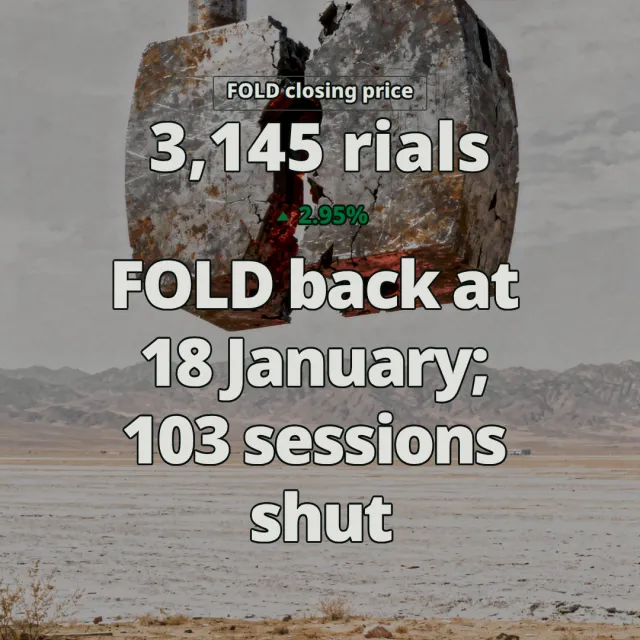 01:08Short
Mobarakeh Steel closed at its highest since 18 January 2026 after 103 sessions without a trade, on the day Tehran's index closed red (Monday, 14 September 2026)
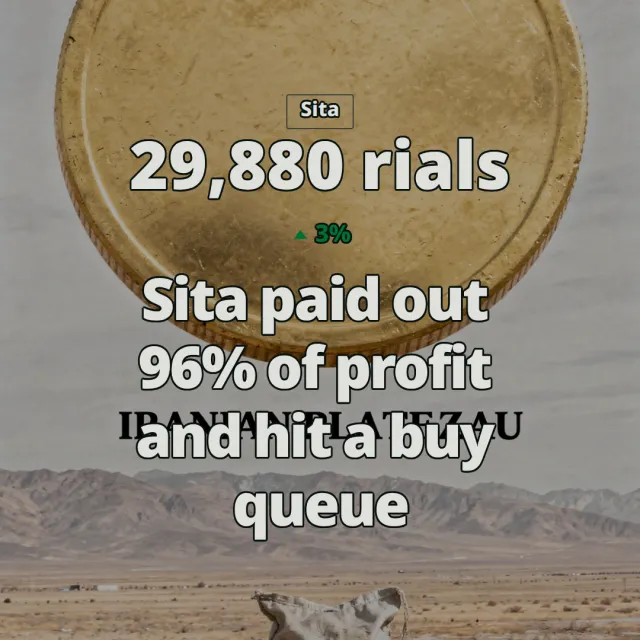 01:16Short
Sita's AGM voted out 96.58 percent of the profit for the year to 21 May 2026; the share has closed at its 3 percent daily cap in all four sessions since it reopened and ended 13 September in a 28 million share buy queue
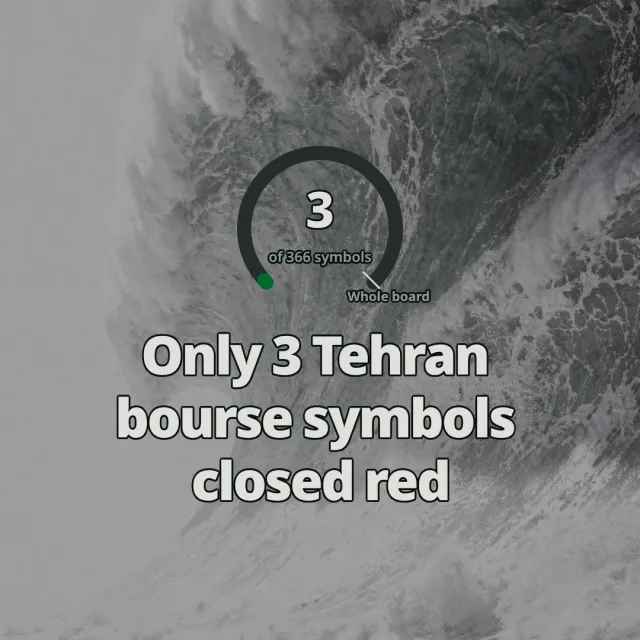 01:21Short
Tehran's TEDPIX Rose 184,041 Points to 6,907,617 on Monday, September 7, 2026; Only 3 of 366 Bourse Symbols Closed Red
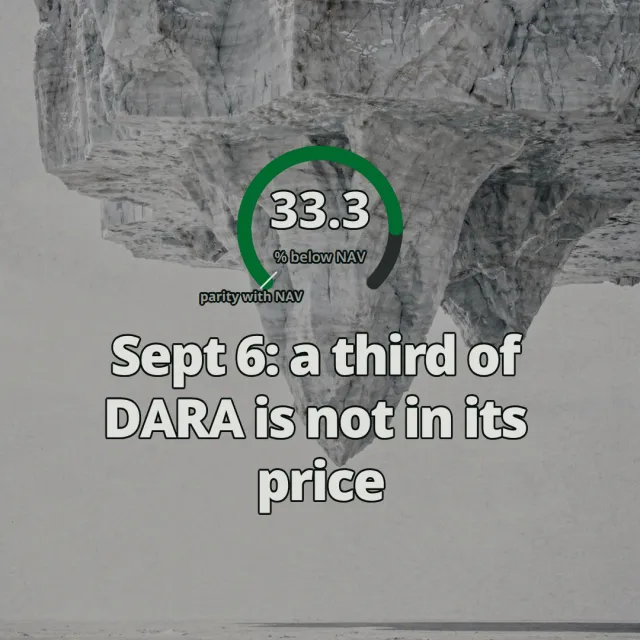 01:25Short