
How to Read a Financial Statement in 5 Minutes: A Practical Guide to Codal Reports
Codal is full of numbers, but only six of them are decisive: operating revenue, gross profit, operating profit, net profit and EPS, accumulated losses, and operating cash flow. A step by step guide to reading a listed company's income statement, with real examples from Saipa and Iran Khodro, and measured against the 61% annual inflation rate for the year to Tir 1405 (June/July 2026).
Transcript
Codal is full of numbers, but for a first assessment only six of them really matter. An income statement works like a funnel: revenue enters at the top and costs come off. Those six numbers give you roughly eighty percent of a listed company's health picture. Step zero is checking whether the report is audited or just a monthly activity note. Four sit in the income statement, accumulated losses in the balance sheet, one in cash flow. The most important is operating profit; it says whether the core business earns money itself. The gross margin tells you how much pricing power the company has over its own costs. Saipa cut its loss by about thirty nine percent over nine months of fiscal fourteen oh four. Yet Iran Iran Khodro lost over twenty two thousand billion tomans again in spring twenty twenty six. If the company raised capital, comparing earnings per share year on year becomes meaningless. Profit is an accounting concept, but cash is reality; negative flow means money uncollected. Annual inflation for the year to Tir fourteen oh five was sixty one percent, per official data. So fifty percent sales growth against that inflation is really a retreat of about seven percent. Three common mistakes: one period not a trend, skipping the notes, and forgetting inflation entirely. If you have time for two numbers, put operating profit and operating cash flow side by side. So the answer: a positive net profit is not enough, number three has the final word; full lesson on Sahmino.com.
Related videos
 01:08Short
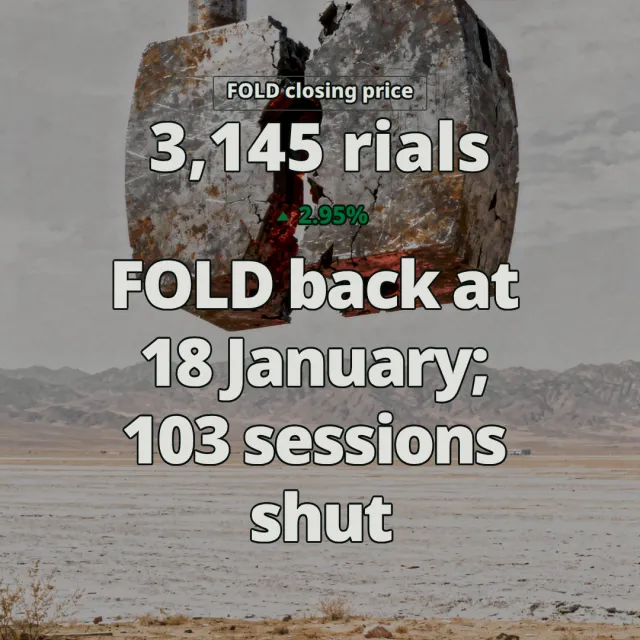
Mobarakeh Steel closed at its highest since 18 January 2026 after 103 sessions without a trade, on the day Tehran's index closed red (Monday, 14 September 2026)
 01:16Short
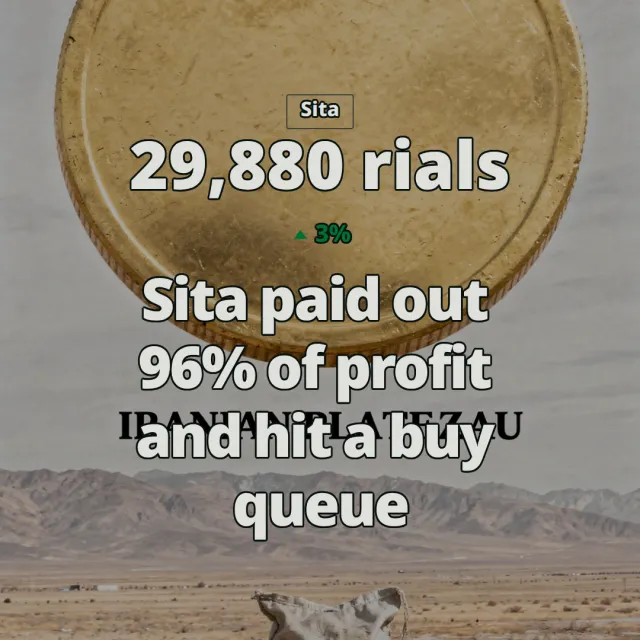
Sita's AGM voted out 96.58 percent of the profit for the year to 21 May 2026; the share has closed at its 3 percent daily cap in all four sessions since it reopened and ended 13 September in a 28 million share buy queue
 01:21Short
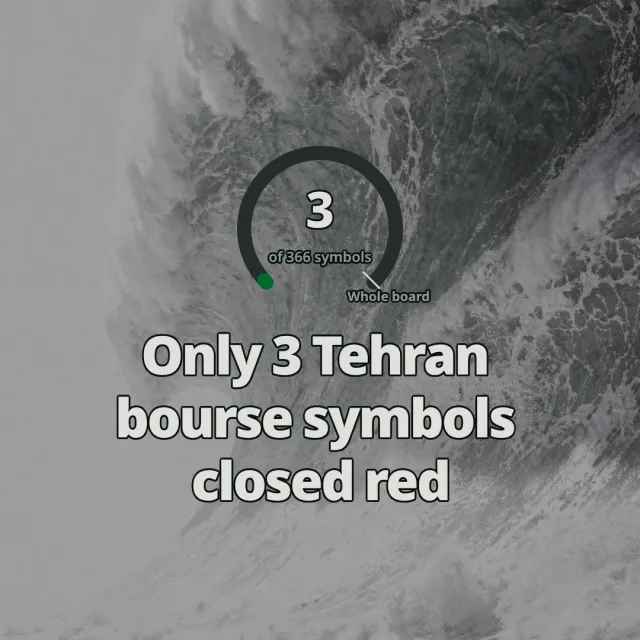
Tehran's TEDPIX Rose 184,041 Points to 6,907,617 on Monday, September 7, 2026; Only 3 of 366 Bourse Symbols Closed Red
 01:25Short