
Why We Sell at the Bottom and Buy at the Top: Five Cognitive Errors Tehran's 1399 Bull Market Taught by the Book (Friday, 31 July 2026)
Nobody queues at a shop because prices went up, or flees because there is a sale. In equities, that is exactly what happens. Kahneman and Tversky showed the pain of losing an amount is roughly twice the pleasure of gaining the same amount, and that asymmetry explains why portfolios fill up with losers and empty of winners. TEDPIX closed at 5,075,098 points on Wednesday, 29 July 2026; a level many who entered in 1399 (2020) never saw, because they sold at the bottom.
Transcript
A loss feels twice as heavy as a gain. And that one fact builds your portfolio. Nobody queues at a shop because prices rose, yet in equities that is exactly what happens. Kahneman and Tversky showed the pain of a loss carries about twice the weight of a gain. The best laboratory for this in Iran was the Tehran exchange in the year thirteen ninety nine. Retail money flowed in hardest near the top, and flowed out hardest near the bottom. The all share index closed near five million seventy five thousand points on July twenty ninth. Loss aversion means you hold the losing share and sell the winning one far too early. Anchoring: your entry price means nothing to the market, but your brain treats it as real. Three more errors: moving with the herd, seeing only agreeable news, and mistaking luck for skill. With inflation at eighty eight point six percent, an emotional choice costs years of purchasing power. Four rules help: decide calmly, write your reason, set a horizon, and accept not knowing. The market transfers wealth from the impatient to the patient; that is psychology, not economics. Watch retail money flows, the all share versus equal weighted gap, and new code issuance. These errors are never cured; they are only routed around by a written rule. So the answer is that number two. Which error have you caught in yourself? Sahmino.com.
Related videos
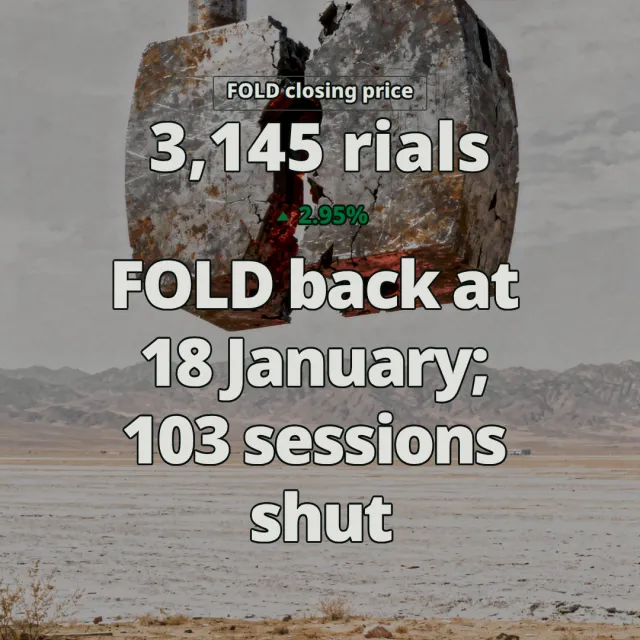 01:08Short
Mobarakeh Steel closed at its highest since 18 January 2026 after 103 sessions without a trade, on the day Tehran's index closed red (Monday, 14 September 2026)
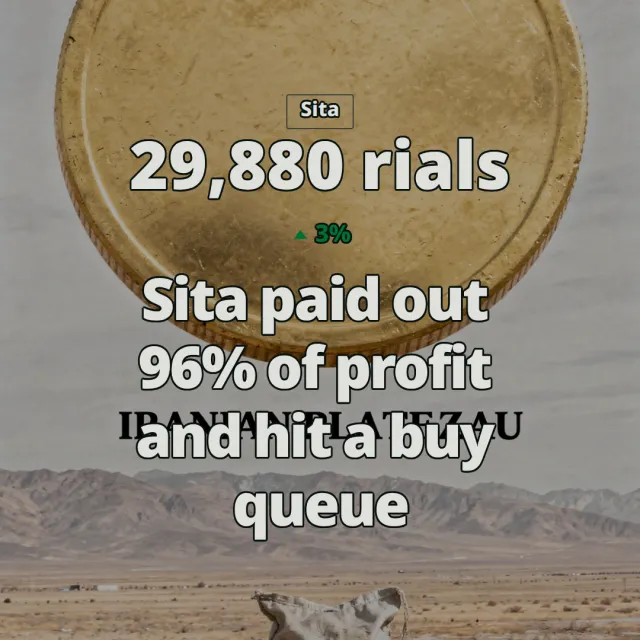 01:16Short
Sita's AGM voted out 96.58 percent of the profit for the year to 21 May 2026; the share has closed at its 3 percent daily cap in all four sessions since it reopened and ended 13 September in a 28 million share buy queue
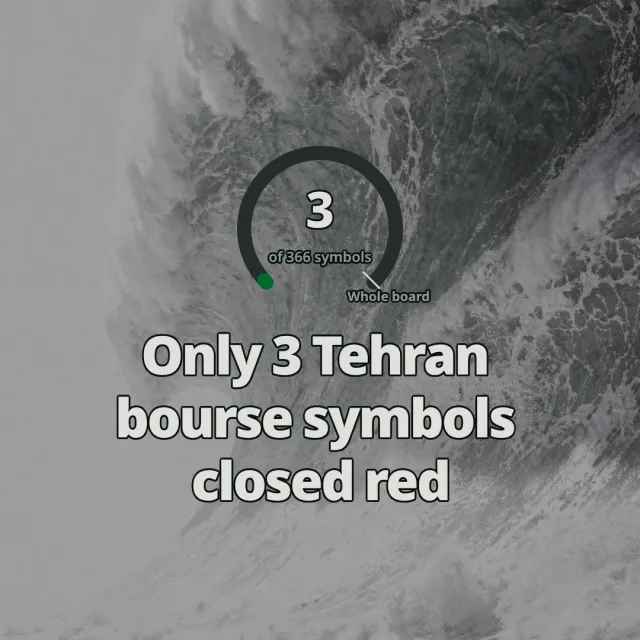 01:21Short
Tehran's TEDPIX Rose 184,041 Points to 6,907,617 on Monday, September 7, 2026; Only 3 of 366 Bourse Symbols Closed Red
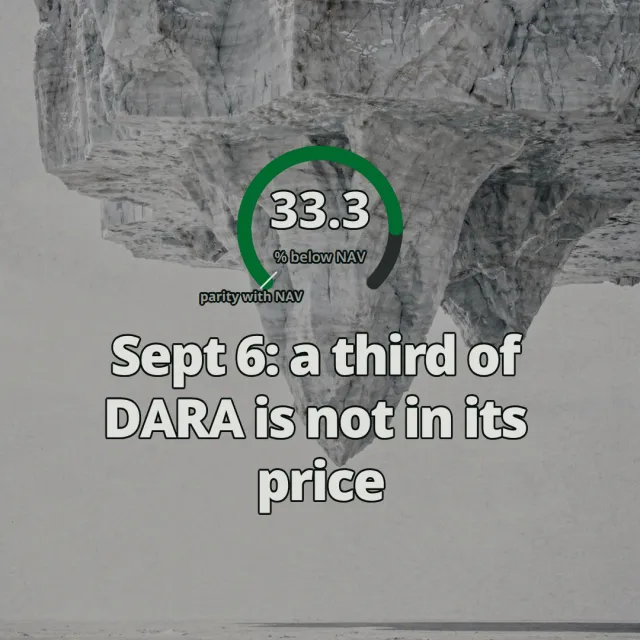 01:25Short