
A Low P/E Does Not Always Mean Cheap: Four Traps the Ratio Hides on the Tehran Exchange
The price to earnings ratio is the stock market's most used number and its most misunderstood. Karbon traded at a P/E of roughly 5.1 against its coal group average of 21.8 on 13 July 2026 (22 Tir 1405), a figure that screams "cheap" at first glance. This guide sets out what P/E actually measures, the four situations in which it misleads, why high inflation bends the number on the Tehran exchange, and the four questions to ask before drawing any conclusion.
Transcript
One sentence gets repeated endlessly in the market: a low P E means the stock is cheap. But that sentence is incomplete at best, and expensive at worst. Karbon traded at five point one on the thirteenth of July; its group average was twenty one point eight. The formula is simple: share price divided by earnings per share. Twelve thousand over one thousand gives twelve. The inverse says more: an earnings yield of about eight point three percent, comparable to deposit rates. Here are a few figures recorded in Tehran trading this July. Equity markets price the future, not the past, and that distinction changes everything. A commodity producer at a cycle peak books huge profit, and its ratio looks small. Selling a property also creates a large gain that never repeats the following year. Under high inflation, part of the profit is only rising inventory value, not real earnings. There are three more places where this ratio loses its meaning entirely. The natural level of the ratio moves up and down with the risk free rate. So before drawing any conclusion, ask yourself these four questions. Price to earnings is not an answer; it is itself a question. So the answer is clear: a low number means you must ask why. Do you still trust this ratio?
Related videos
 01:08Short
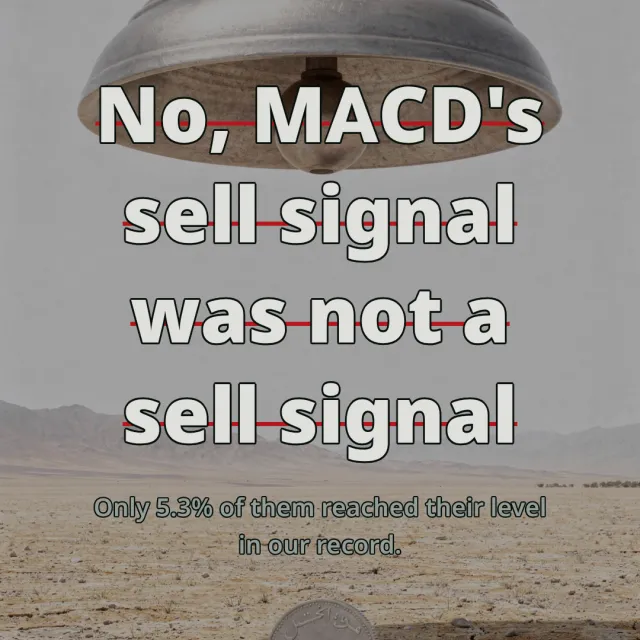
In Sahmino's Signal Scorecard, Settled Bearish Claims Reached Their Level 15.4% of the Time in a Rising, Low-Volatility Market Against 87.7% for Bullish Ones; the Bearish MACD Cross Was Lowest at 10 Hits Out of 189 (Wednesday, 16 September 2026)
 01:08Short
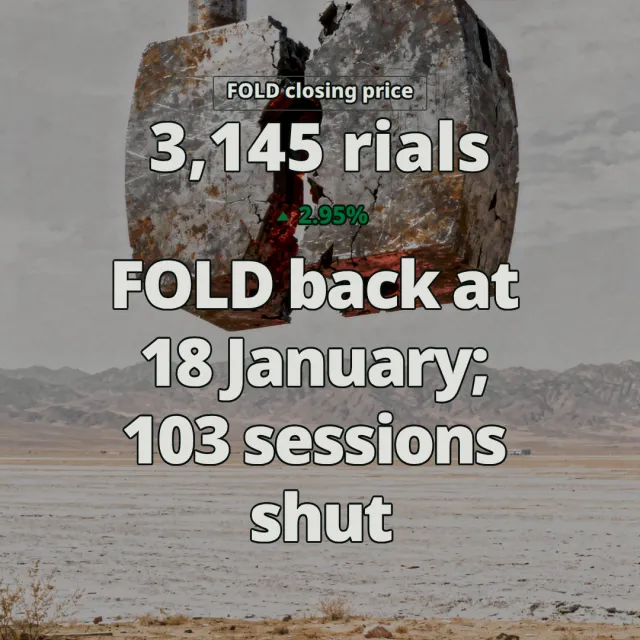
Mobarakeh Steel closed at its highest since 18 January 2026 after 103 sessions without a trade, on the day Tehran's index closed red (Monday, 14 September 2026)
 01:16Short
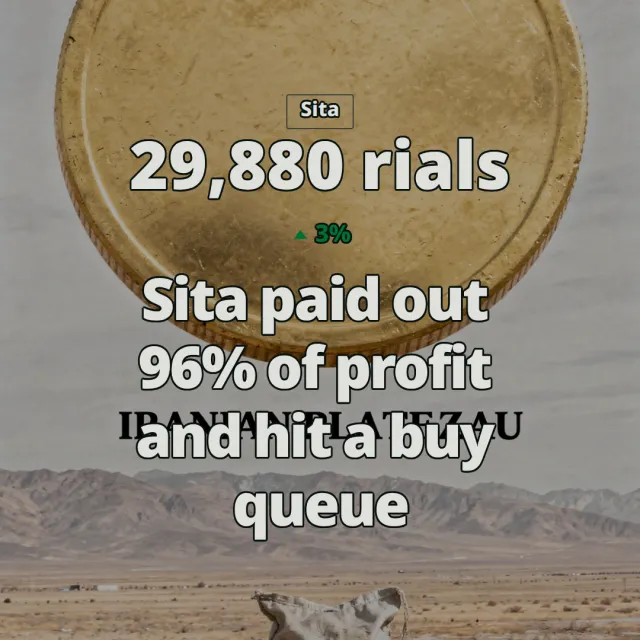
Sita's AGM voted out 96.58 percent of the profit for the year to 21 May 2026; the share has closed at its 3 percent daily cap in all four sessions since it reopened and ended 13 September in a 28 million share buy queue
 01:21Short