
Money Supply and the Monetary Base: Where New Money Comes From, and Why It Is Tied to Inflation
This lesson explains what the monetary base and broad money (naqdinegi, M2) actually count, how new money is created on two levels (the central bank and the banking network), what the money multiplier measures, and why sustained money growth reaches inflation with a lag. With a labelled hypothetical example and dated real figures from the Central Bank of Iran for the end of Esfand 1404 (March 2026).
Transcript
Where exactly does the new money added to an economy each year come from? We will clarify three terms: the monetary base, broad money, and the multiplier. Because growth in these three numbers eventually reaches the prices you pay. The monetary base is the only money that the central bank itself creates. Broad money is all the money people hold, including deposits and quasi money. The multiplier is simply broad money divided by the monetary base, nothing more. Level one is the central bank. A bigger balance sheet means a bigger base. Level two is the banks. Every new loan they make creates a brand new deposit. Suppose one hundred million tomans arrives and the reserve requirement is ten percent. The lending chain ends up creating roughly one billion tomans of deposits. In March two thousand twenty six, that multiplier stood at seven point zero nine five. Broad money reached about fifteen and a half thousand hemat, the base about two thousand two hundred. The central bank said most base growth came from revaluing its foreign assets. Its most direct lever is the reserve requirement, raised one and a half percentage points. First mistake: thinking that printing money means switching on the banknote press. Second mistake: assuming a lower multiplier by itself means inflation is contained. Watch all three numbers together. A smaller multiplier can mask a swelling source. So now you know: new money starts on the central bank's balance sheet. The next lesson comes tomorrow.
Related videos
 01:09Short
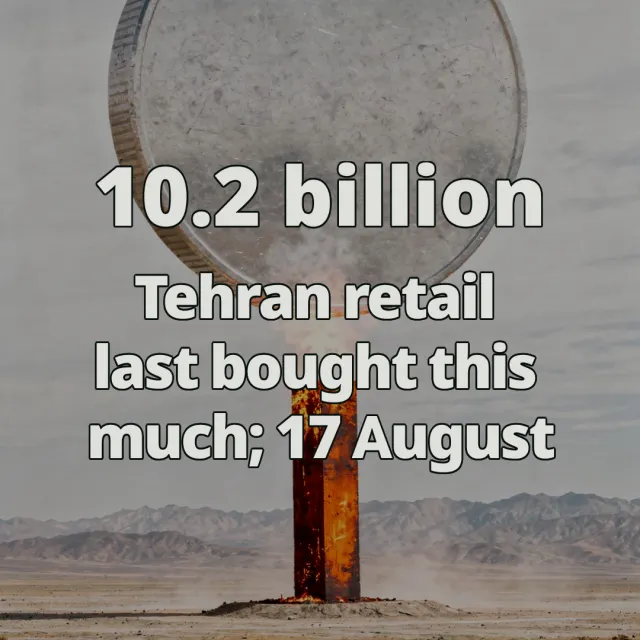
Iran Market Pulse, Wednesday, September 16, 2026: Retail Investors Bought a Net 10.2 Billion Shares, the Most Since 17 August, and the Tehran Stock Exchange Index Set a Fresh Record at 7,521,959
 01:19Short
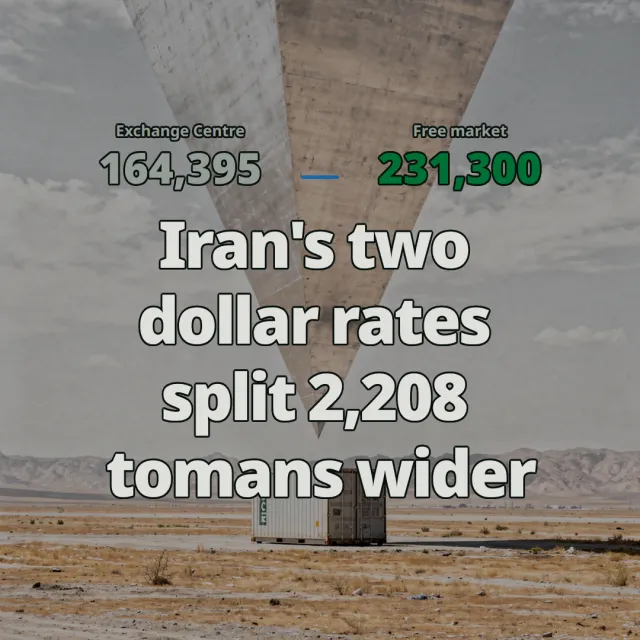
Tehran's count of rising industry indices fell from 36 to 11 in one session and the main index lost 38,179 points; Iran Market Pulse, Tuesday, September 15, 2026
 01:28Short
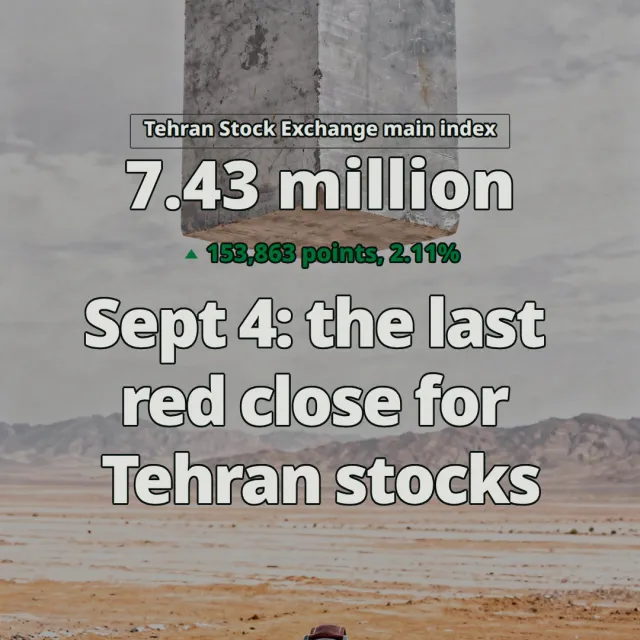
Tehran's Main Index Set a Seventh Consecutive Record at 7,431,450 Points; Iran Market Pulse, Monday, September 14, 2026 notes its last red close was on 13 Shahrivar
 01:25Short